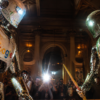
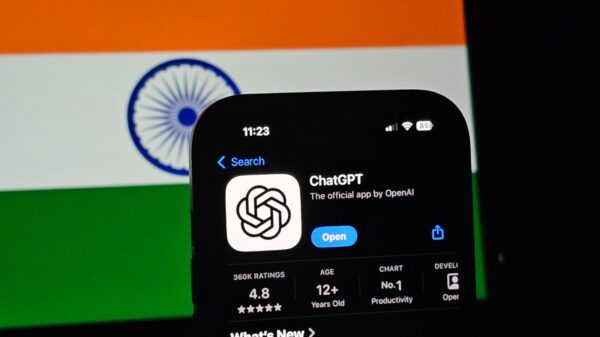
OpenAI has announced a significant three-year licensing deal with Disney, granting the AI company access to over 200 characters from Disney’s vast portfolio, including Pixar, Marvel, and Star Wars. This agreement, revealed in a press release on Thursday, allows OpenAI to utilize these characters in its Sora video generation tool and ChatGPT Images, amid ongoing discussions about copyright and intellectual property in AI-generated content.
The deal is positioned as a strategic move to provide Sora and ChatGPT Images with the capability to create licensed clips and artwork featuring a carefully curated selection of iconic characters. As part of the arrangement, Disney plans to feature a selection of these AI-generated videos on its streaming service, Disney+, although the criteria for selecting which videos will be showcased remain unclear. Disney has not provided further comments on this aspect of the agreement.
To alleviate concerns from actors regarding the unauthorized use of their likenesses, Disney and OpenAI have clarified that the deal does not include the rights to live-action characters’ appearances or voices. The agreement stipulates that only “iconic animated or illustrated versions” of these characters will be represented in the generated content.
Moreover, Disney is making a substantial financial commitment as part of this partnership, agreeing to invest $1 billion in OpenAI. This investment positions Disney as a major client of OpenAI’s technologies, which will be employed to create new products, tools, and experiences, particularly for Disney+ and internal applications of ChatGPT.
Disney’s proactive approach reflects its commitment to integrating artificial intelligence into its business model. “The rapid advancement of artificial intelligence marks an important moment for our industry, and through this collaboration with OpenAI we will thoughtfully and responsibly extend the reach of our storytelling through generative AI, while respecting and protecting creators and their works,” stated Disney CEO Bob Iger. He emphasized that technological innovation has historically shaped the evolution of entertainment, making it imperative for major players like Disney to adapt swiftly to the changing landscape.
This partnership follows a tumultuous period for OpenAI, particularly in light of the backlash received for its Sora 2 video generation tool, which faced criticism for its ability to closely replicate copyrighted content. OpenAI has since pivoted towards establishing licensing agreements to mitigate these issues, responding to demands from the entertainment industry to ensure that its technology complies with intellectual property laws.
As Disney aligns itself with OpenAI, it has also taken a firm stance against potential infringements of its intellectual property by other companies. Reports indicate that Disney issued a cease and desist letter to Google, alleging that the tech giant’s AI systems were generating content that infringed upon Disney’s copyrights. Similar letters have reportedly been sent to Character.ai and Meta over comparable concerns, highlighting Disney’s vigilance in protecting its vast array of intellectual property.
While Google has not responded to inquiries regarding Disney’s claims, this legal maneuver underscores the heightened vigilance among content creators over how AI technologies utilize their intellectual property. As the landscape of artificial intelligence continues to evolve, partnerships like the one between Disney and OpenAI may set precedents for future collaborations in the entertainment industry.
In conclusion, as Disney embraces AI technology through its partnership with OpenAI, the implications for both companies and the broader entertainment sector could be substantial. With the integration of AI tools in storytelling and content generation, the ability to create innovative experiences for audiences may redefine entertainment in the coming years.
See also Intel and Wipro Reveal Key Strategies for Scaling AI Beyond Proof-of-Concept
 AI Accountability Act Introduced to Protect Copyrights and Data Rights in Tech Sector
 Meta’s Galactica Processes 106B Tokens But Faces Backlash Over Fabricated Citations
 Disney Partners with OpenAI in $1B Deal to Bring Iconic Characters to Sora AI
 5G Enhances Event Video Summarization Through Multimodal Analysis, Study Reveals