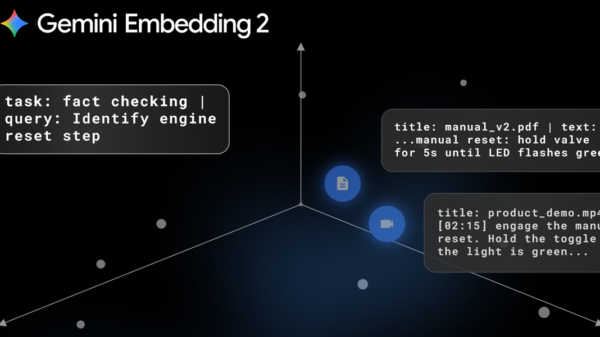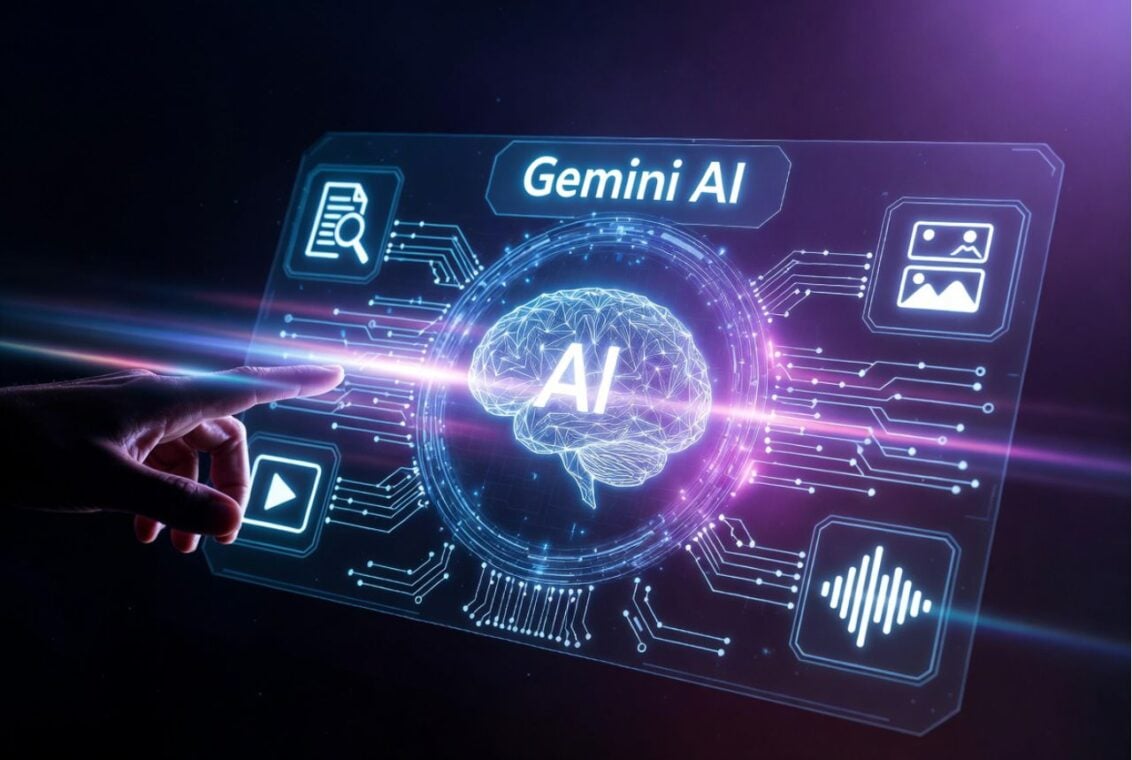
Google has announced a significant upgrade to its artificial intelligence systems, integrating its advanced Gemini AI model directly into its core products. This development, confirmed by the company, was announced earlier this week and marks a substantial shift in Google’s approach to AI.
The integration of Gemini AI fundamentally alters the functionality of Google Search and Google Assistant. This change represents the most important strategic pivot since the introduction of its Bard chatbot. Google aims to enhance the natural and helpful capabilities of its AI assistance, promising a more intuitive user experience.
The Gemini AI model is currently operational in U.S. English searches, with plans to roll out to additional countries and languages in the near future. According to reports from Reuters, this upgrade allows for more sophisticated answers to complex queries directly on the search results page. Users will benefit from AI-generated summaries for intricate questions, such as travel planning or product comparisons. The AI aggregates information from various web sources to deliver a single, coherent answer, streamlining the research process for millions.
Moreover, Google Assistant is receiving a significant upgrade with the new Gemini model. The previous underlying technology is being replaced, enabling the Assistant to manage more nuanced, multi-step conversations and tasks. This enhancement allows users to request a complete daily itinerary or handle intricate work-related tasks, with the Assistant demonstrating improved contextual understanding. Industry analysts view this upgrade as a direct response to competing AI products from other technology companies, suggesting the long-term potential for a more personalized and proactive digital helper in users’ everyday lives.
What Comes Next
The integration of Gemini AI signals a transformative shift for Google, moving from basic search results to intelligent, conversational responses. This transition has the potential to redefine how users seek information and engage with their devices on a daily basis. The company has confirmed that the updates will remain free for users, while also announcing a premium tier, Gemini Advanced, which will be part of a new paid subscription plan.
While the upgrade promises enhanced capabilities, it has raised concerns among some publishers about the potential reduction in traffic to their websites. Additionally, experts have warned about the risks associated with AI “hallucinations,” instances where the model may present incorrect information with confidence. Google has incorporated source links within its AI summaries to facilitate fact-checking.
The initial rollout is targeted at the United States, with plans for expanding the AI-powered Search Generative Experience to more regions and languages in the upcoming weeks and months. A similar global rollout pattern is expected for the Assistant update. This strategic advancement reflects Google’s commitment to leading in AI innovation, ensuring its tools remain relevant and beneficial in an increasingly digital world.
See also Kenya Achieves Historic UN Resolution on AI’s Environmental Sustainability at UNEA-7
 Purdue University Launches AI Working Competency Requirement for All Undergraduates
 UAE Advances AI in Life Sciences with National Genome Strategy and $10B Investment by 2031
 Verigram Unveils Machine Learning Model to Detect Virtual Camera Attacks in Biometric Systems
 Google Launches Gemini Deep Research API as OpenAI Reveals Powerful GPT-5.2 Model