The 2025 holiday shopping season has signaled a transformative phase in customer service, with artificial intelligence becoming increasingly integrated into consumer experiences. A recent survey from Liveops, which specializes in scalable customer service, revealed that 78% of respondents interacted with AI during their shopping, a notable increase from the previous year. This surge in automation reflects shifting consumer expectations, with many shoppers experiencing more automated interactions than they had in 2024.
The 2025 Holiday AI & Customer Service Report surveyed 1,000 U.S. adults who completed most of their holiday shopping, providing a detailed view of current consumer sentiments. While automation has introduced speed and convenience, it has also generated friction points. Shoppers appreciate fast responses and constant availability, yet they still demand empathy and clarity, particularly when complications arise. This season has highlighted a customer base that acknowledges technology’s advantages but believes that human connection remains essential to quality service.
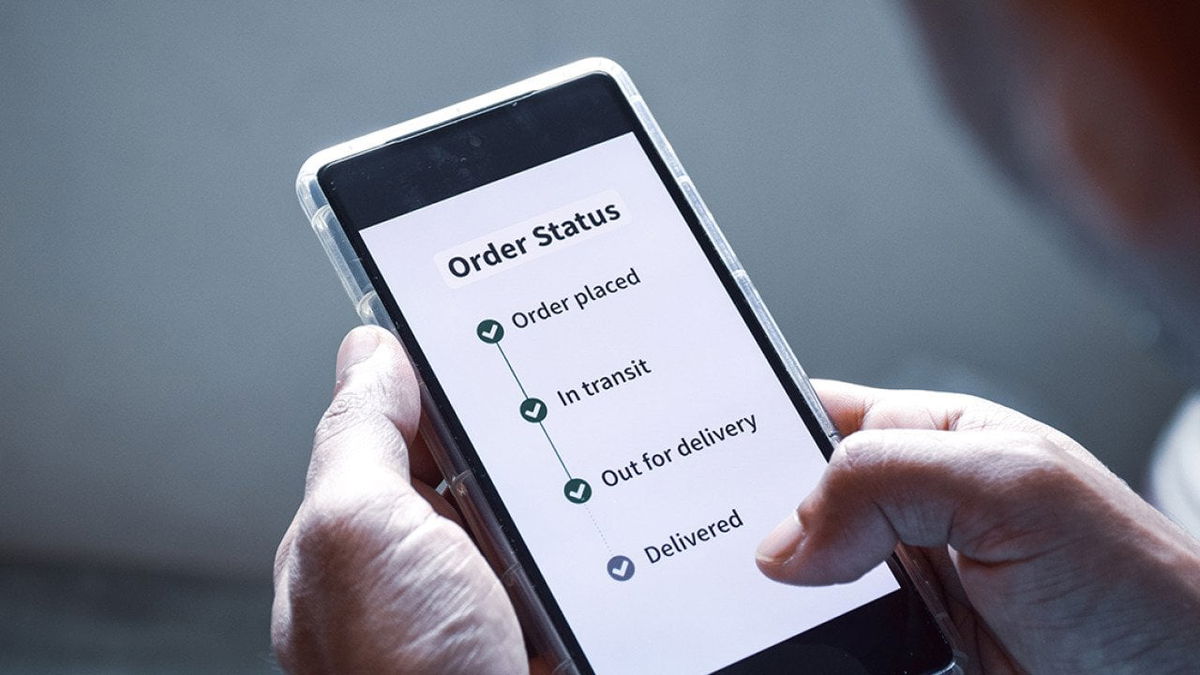
This year marked a significant shift, as many shoppers encountered AI prominently for the first time during the holiday rush. Automation played a key role in various tasks, including package tracking and customer support queries. Nearly one in three respondents reported that interactions with AI were “much more” frequent compared to previous years. The enhancement of AI is particularly evident in online chat and website support, where 61% of respondents noted a greater degree of automation. Customer service phone lines demonstrated a similar trend, with 39% noting increased automation.
The efficiency brought forth by AI has been welcomed during a period characterized by high expectations and tight deadlines. An impressive 85% of shoppers indicated that AI made services faster or more accessible, an important factor during the pressure-laden holiday shopping period. Fast support alleviated anxieties for many, allowing them to resolve common questions before they escalated. However, only 29% of respondents stated that AI improved their overall experience, compared to 14% who felt it made their experience worse.
Despite these advantages, consumer preference for human interaction remains strong, especially when dealing with complex issues that require empathy. More than half of respondents indicated that human agents delivered superior service compared to AI, while only 11% felt the opposite. While AI can efficiently handle straightforward inquiries, situations involving damaged items or billing concerns often necessitate a human touch to provide reassurance and understanding.
Issues remain with the increasing reliance on AI, as 55% of respondents reported needing to escalate their issues to human agents, and 45% found that AI systems failed to grasp their problems. This reflects a growing phenomenon known as AI fatigue, where automation complicates tasks rather than simplifying them, leading to frustration. The stakes are especially high in e-commerce, where even minor disruptions can lead to significant revenue losses.
Generational differences also impact perceptions of AI in customer service. The survey found that 89% of Gen Z respondents employed AI during their holiday shopping, compared to only 60% of Baby Boomers. Younger consumers tend to embrace app-based support and are comfortable navigating automated tools, with nearly half of them reporting that AI improved their holiday shopping experience. Conversely, only 7% of Boomers felt the same way, emphasizing a notable divide in comfort and trust across age demographics.
A lack of transparency around AI use has further complicated consumer trust. Only 22% of respondents felt that companies clearly communicated when AI was involved in their interactions, while 69% believed that brands should always disclose this information. A transparent approach could foster greater trust, as consumers are open to automation but prefer honesty about its presence and function.
Looking ahead, the report indicates that consumer desires for AI in the coming year are nuanced. Only 17% of shoppers wish to see increased AI usage, while nearly twice as many expressed a preference for less. This suggests a demand for improved quality rather than sheer quantity in automation.
Consumers are not discarding automation; they seek tools that genuinely enhance their shopping experience. A hybrid model that combines both AI and human support could prove beneficial. Key strategies may include enhancing AI quality for accuracy and personalization, using AI for routine tasks while routing complex issues to experienced agents, and designing service models that cater to the varying preferences of different generations.
The 2025 holiday season has introduced millions to an AI-enhanced retail environment, underscoring the necessity for brands to blend speed with empathy. As the customer service landscape evolves, retailers must unite technology with human connection to meet the elevated expectations of today’s consumers.
For further insights, visit Liveops and explore their full report on AI in customer service.
See also Google Cloud Unveils Gemini 2.5 with Native Audio and Live Speech Translation for 70+ Languages
 Investors Rethink AI Bets as Major Firms Face $400B Spending Surge and Slowing Growth
 C3.ai’s Army and HHS Contracts Signal Major Shift in Federal AI Investment Strategy
 OpenAI’s Codex Chief Identifies Human Typing Speed as Key AGI Bottleneck
 Massachusetts Courts Adopt GenAI for Efficiency, Navigating Ethics and Access to Justice Challenges