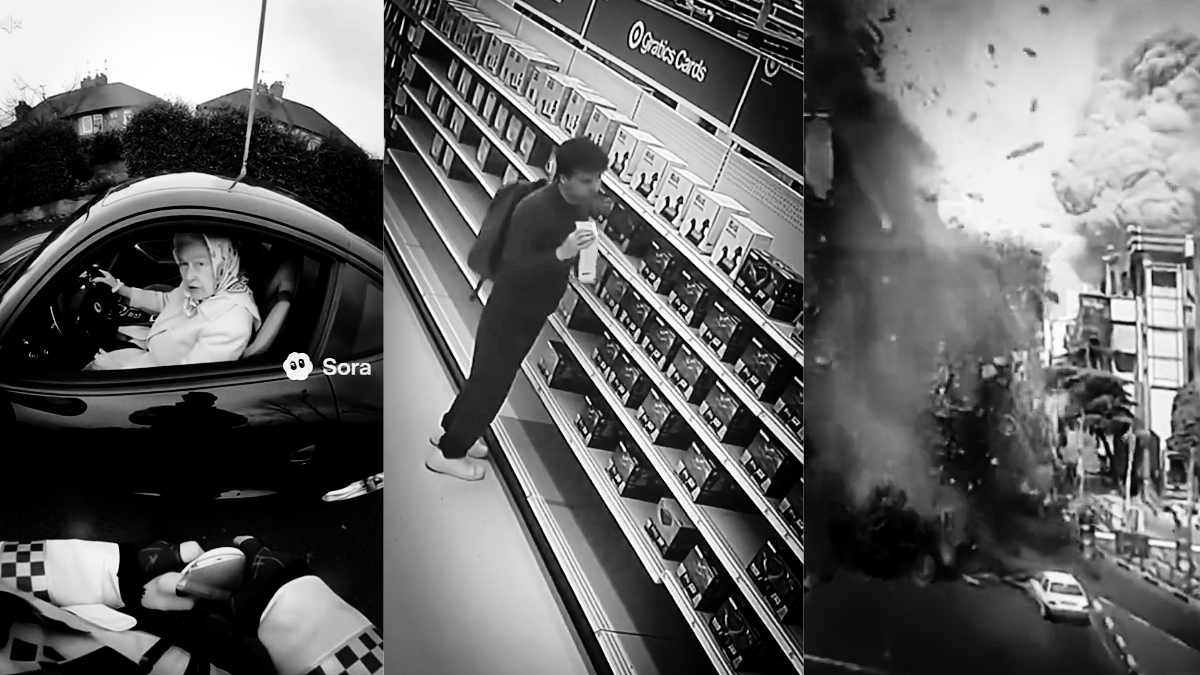
The rapid evolution of synthetic media reached a critical juncture in 2025, as AI-generated content flooded social media platforms with alarming authenticity. Deepfakes of notable figures, including Queen Elizabeth and OpenAI’s CEO Sam Altman, appeared seamlessly within online feeds, contributing to a wave of misinformation. During this year, the Deepfakes Rapid Response Force (DRRF), a WITNESS-led initiative, highlighted the persistent challenges in detecting these deceptions, now complicated by advancements in multimodal models. The initiative’s findings outlined five key lessons that underscore the growing sophistication of AI-generated content and the urgent need for improved detection methods.
One of the most significant trends observed in 2025 was the surge in hyper-realistic long-form videos. Following the releases of Google’s Veo 3 and OpenAI’s Sora 2, the capabilities of AI models to create longer, coherent scenes reached unprecedented levels. A notable incident involved an AI-generated video of a news anchor discussing Ecuador’s referendum, which exemplified the models’ ability to produce convincing content through intricate camera movements and synchronized gestures. However, the challenges of detection endured, particularly as low-resolution and high-compression uploads muddied the waters for verification tools. In a troubling case featuring Russian politician Vladimir Medinsky, the video’s poor quality stymied detection efforts, illuminating a critical bottleneck in identifying AI-generated content.
Editing techniques such as inpainting and minor manipulations presented additional obstacles. In Georgia, a video used in legal proceedings was flagged as AI-generated due to standard editing overlays, raising questions about the effectiveness of detection algorithms in distinguishing between legitimate modifications and deceptive alterations. Surgical inpainting, where only small areas of a video are manipulated, emerged as a pressing concern, complicating the landscape of image verification.
Audio manipulation, often deemed the weakest link in detection systems, compounded these issues. The complexities of audio detection were illustrated through several cases involving leaked conversations from political figures in Bolivia and Iraq. In such instances, low audio quality and background noise hindered accurate analysis, necessitating the use of voice comparison techniques to establish authenticity. This proved particularly challenging for lower-profile public figures, where access to authentic voice samples is limited.
Public Skepticism and the Role of Human Expertise
As the realism of AI-generated videos escalates, public skepticism toward authentic content is surging. Increasingly, individuals dismiss genuine footage, asserting it must be artificial, especially when the content challenges prevailing narratives. This growing doubt complicates efforts to counter misinformation, particularly on sensitive political issues. Fact-checkers have increasingly called for detailed, evidence-based communication to educate audiences, highlighting the importance of transparency in the face of widespread skepticism.
Amid these challenges, human expertise remains indispensable in the detection ecosystem. While AI tools are crucial, they cannot replace the nuanced understanding that human analysts provide. In various cases, experts clarified ambiguities in detection results caused by overlays or audio quality issues. For instance, a linguist’s insight confirmed the authenticity of a recording attributed to Evo Morales, demonstrating the necessity of contextual knowledge in effective verification.
The landscape of AI-generated content in 2025 reveals a stark reality: detection methods are struggling to keep pace with sophisticated manipulation techniques. As more people fall prey to misinformation, the need for robust detection systems has never been more urgent. Looking ahead to 2026, the emphasis must be on developing tools that can navigate the complexities of real-world media, including low-resolution and distorted audio. A concerted effort to integrate human expertise with advanced detection techniques appears to be the most viable path forward in mitigating the risks associated with AI-generated deception.
See also Shanghai AI Lab Launches MemVerse: First Universal Multimodal Memory Framework for Agents
 AI Framework Achieves 79% Accuracy in Ranking Educational Resources for Personalized Learning
 Brands Must Optimize AI Content Strategy as 60% of Healthcare Queries Go Directly Answered
 Brands Shift to 100% Human Content Policies to Combat AI Skepticism and Trust Erosion
 AI-Generated Images Mislead on Bondi Beach Attack; ABC News Debunks False Claims