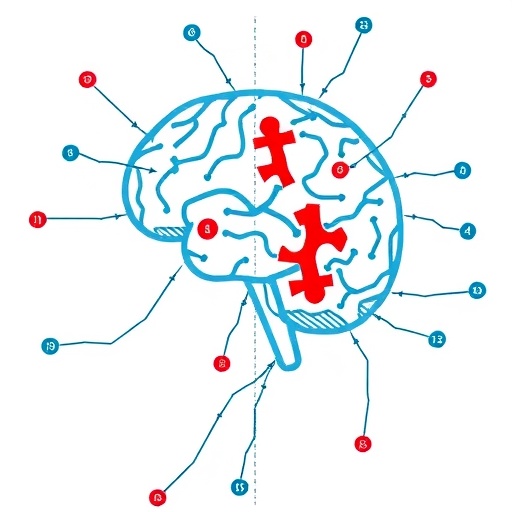
The application of machine learning (ML) in healthcare is rapidly transforming the landscape of autism spectrum disorder (ASD) research, presenting new avenues for diagnosis and treatment. Researchers across the globe are leveraging extensive datasets and advanced algorithms to enhance diagnostic accuracy, customize interventions, and explore the neurobiological foundations of ASD—an intricate condition defined by a diverse range of social communication challenges, restricted interests, and repetitive behaviors.
One of the paramount difficulties in diagnosing ASD lies in the heterogeneity of its symptoms, which complicates early detection and subsequently affects long-term outcomes. Machine learning provides a novel mechanism to untangle this complexity by analyzing high-dimensional data encompassing behavioral, genetic, and neuroimaging variables. By identifying subtle patterns that traditional statistical methods may overlook, ML models can delineate subtypes within the autism spectrum, thus facilitating more precise diagnoses.
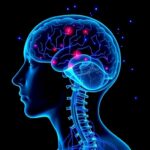
Neuroimaging techniques, particularly functional MRI (fMRI) and diffusion tensor imaging (DTI), yield comprehensive datasets that reveal both structural and functional brain differences in individuals with ASD. However, interpreting these intricate datasets poses significant challenges. ML algorithms, including support vector machines, deep neural networks, and random forests, are increasingly applied to extract relevant biomarkers from neuroimaging data. These models often outperform conventional methods in classification accuracy, providing insights into neural connectivity disruptions that may underlie social cognition difficulties.
In addition to neuroimaging, machine learning has profoundly impacted the analysis of genetic data. While ASD has a substantial heritable component, identifying specific causal genes remains elusive due to complex gene-environment interactions. ML helps aggregate and interpret findings from genome-wide association studies (GWAS) and sequencing data, facilitating the discovery of new genetic variants and expression profiles linked to ASD, ultimately guiding potential therapeutic targets.
Behavioral assessments also stand to gain from machine learning integration. Traditional diagnostic tools, though thorough, often rely on subjective evaluations and can be time-intensive. By utilizing large datasets from behavioral questionnaires, eye-tracking systems, and audio-visual recordings, ML algorithms can streamline and enhance early screening processes. For instance, models trained to analyze speech patterns and facial emotion recognition show promise in detecting autism-related behavioral indicators, enabling more timely interventions.
Multimodal Integration and Future Directions
The integration of multimodal data represents the forefront of ASD research. By synthesizing neuroimaging, genetic, and behavioral data through sophisticated ML frameworks, researchers can achieve a comprehensive understanding of autism’s multifactorial etiology. Such integrative models not only refine diagnostic precision but also assist in stratifying individuals for personalized treatment approaches that take into account unique biological, cognitive, and environmental factors.
Despite the exciting advances, challenges remain in applying machine learning to ASD research. Data heterogeneity, a shortage of large-scale, well-annotated datasets, and the risk of overfitting to specific populations limit broader applicability. Ethical considerations, such as data privacy, algorithmic bias, and transparency in decision-making, necessitate robust frameworks to ensure responsible deployment of AI technologies in clinical practice.
Looking ahead, the need for explainable AI becomes increasingly apparent. Developing interpretable models that provide clear insights into the decision-making processes is crucial for fostering clinician trust and encouraging adoption. Collaborative efforts aimed at standardizing data formats and creating open repositories can democratize access and stimulate innovation in the field.
The concept of personalized medicine, driven by machine learning insights, is set to redefine treatment paradigms for autism. Tailoring pharmacological interventions based on predicted responses and adapting behavioral therapies to address specific deficits identified through computational analyses could enhance treatment efficacy while minimizing trial-and-error approaches.
Longitudinal studies powered by machine learning can also track developmental trajectories and predict outcomes with unparalleled accuracy. Early prediction models utilizing continuous monitoring data may identify high-risk infants long before conventional clinical symptoms appear, enabling preemptive interventions that could significantly alter the disorder’s course.
Interdisciplinary collaboration is fundamental to these advancements. Neuroscientists, geneticists, data scientists, and clinical practitioners must converge their expertise to craft models that accurately reflect biological realities while addressing clinical needs. Such cross-disciplinary collaboration accelerates the translation of computational findings into impactful real-world applications, ultimately benefiting individuals and families affected by autism.
As educational initiatives aimed at enhancing clinicians’ AI literacy gain traction, the integration of these emerging tools into existing healthcare frameworks is likely to improve. Closing the knowledge gap will enhance confidence in interpreting machine learning outputs and promote effective communication between human expertise and artificial intelligence capabilities.
Furthermore, the ethical deployment of machine learning in ASD diagnosis and treatment demands active involvement from patient advocacy groups and policymakers. Ensuring equitable access, mitigating biases against underrepresented populations, and protecting individual rights must take precedence to maintain public trust in these technologies.
In summary, the evolving role of machine learning in the realm of autism spectrum disorder signifies a pivotal shift toward improved diagnostic accuracy, personalized intervention strategies, and deeper biological insights. Although obstacles persist, the combination of computational capabilities and clinical expertise holds great promise for a future where ASD is understood, diagnosed, and managed more effectively than ever before.
See also AI Agents Become Co-Scientists at Agents4Science, Paving New Research Frontiers
 Harvard Study Reveals AI Boosts Individual Productivity but Favors Team Collaboration
 Machine Learning Study Reveals Electrolyte Imbalances Significantly Predict Mortality Risks
 China Advances EUV Lithography, Threatening ASML and NVIDIA with Lower-Cost Chips
 NASA’s OSIRIS-REx Reveals Life’s Building Blocks in Asteroid Sample, Challenges Biology Detection