























































Consumers in the United States are showing an increasing willingness to let artificial intelligence (AI) move beyond merely answering questions to actively managing tasks on their behalf. According to recent data from PYMNTS Intelligence, there is noteworthy interest in autonomous AI assistants for everyday planning. However, this openness is selective, with some consumers still hesitant to relinquish control.
Approximately three in ten consumers express interest in having an autonomous AI assistant handle aspects of their daily planning. This statistic indicates a growing but still limited demand for agentic AI in personal contexts. The findings suggest that the future of consumer AI adoption will be determined less by conversational capabilities and more by factors such as trust, task specificity, and perceived value.
The survey, conducted from October 14 to October 29 among 2,113 U.S. adults, reveals that while enthusiasm for fully autonomous AI assistants is far from mainstream, it is growing. Roughly 30% of respondents are willing to allow AI to independently manage tasks like organizing schedules or assisting with shopping decisions. In contrast, about 44% of those who do not currently use conversational AI remain firm in their refusal to allow an autonomous AI agent to perform any personal tasks included in the survey.
This divide illustrates a significant tension in consumer AI adoption, where curiosity and openness coexist with skepticism, particularly among users who have yet to embrace conversational AI in their daily lives. Nevertheless, the data indicates that reluctance is not universal; over 20% of conversational AI holdouts express interest in using an autonomous agent for tasks related to planning, organization, shopping, or purchasing. This suggests that practical applications could entice new users into the market.
As interest in AI assistants grows, everyday planning and commerce-related activities emerge as the most compelling use cases. Nearly one-third of consumers indicate a willingness to let AI assist with planning and organization, making it the most favored task category. Shopping and purchasing follow closely, with just over 30% open to allowing an AI assistant to manage at least part of the process.
Other categories also show significant interest, although slightly lower. About one-quarter of consumers would permit an AI agent to assist with writing and communication, learning and self-improvement, or managing health and wellness information. Tasks such as travel planning and discovering entertainment options draw interest from roughly one in four consumers. However, financial tasks pose a more significant challenge; only about 20% are willing to let an AI manage finances or banking activities, indicating ongoing trust barriers in high-stakes areas.
Interestingly, the survey shows that the willingness to allow an AI agent to perform “no activity” decreases sharply as familiarity with AI increases. The strongest indicators of future demand appear to come from existing AI power users, defined as individuals who utilize AI for multiple tasks. Among frequent conversational AI users, two-thirds express interest in allowing an AI to autonomously manage some aspects of their daily planning and organization, more than double the rate of the general population.
Openness to AI-driven shopping and purchasing also sees a substantial rise among power users, with nearly six in ten expressing willingness to let an AI assist in these areas. About half are open to AI involvement in writing and communication, discovering products, or exploring entertainment options. Even in traditionally sensitive domains, nearly half of frequent users would permit an AI agent to help manage finances or banking tasks.
In stark contrast, non-users remain skeptical, with over 40% stating they would not allow an autonomous AI agent to perform any of the tasks surveyed. This reinforces the idea that trust and familiarity are essential prerequisites for adoption.
As consumer interest evolves, the gradual adoption of AI suggests a careful examination of the potential benefits and risks. While many consumers show curiosity about AI’s capabilities, the journey toward broader acceptance will likely hinge on building trust and demonstrating clear value in specific, everyday applications.
See also ELCOT Partners with Perplexity AI to Train Tamil Nadu College Students in AI for Free
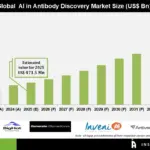 AI-Driven Antibody Discovery Market to Surge to $3 Billion by 2034, Led by Precision Therapies
 Corporate America Faces 1.17M Job Cuts in 2025, Eroding Human Capital Amid AI Push
 OpenAI Negotiates $10B Amazon Investment Amid $500B Valuation Talks
 NVIDIA Partners with DOE to Revolutionize U.S. AI Infrastructure and Scientific Discovery















