McDonald’s Netherlands has pulled its controversial holiday advertisement just three days after its launch, stirring backlash over its use of artificial intelligence in production. The ad, which aired on December 6, was a reimagined holiday jingle titled “It’s the most terrible time of the year,” intended to portray the chaos of the festive season. However, the depiction of Christmas mishaps, including fallen gifts and department store brawls, only highlighted the public’s discontent with the ad’s AI-generated origin.
The advertisement, created in collaboration with the Dutch agency TBWA\Neboko and American production company The Sweetshop, was produced in a remarkably quick seven-week timeframe. McDonald’s aimed to leverage cutting-edge technology, but consumer reactions swiftly turned unfavorable. By December 9, the fast-food giant decided to withdraw the ad, with social media users labeling it “creepy” and “poorly edited.” One viewer called it “the most god-awful ad I’ve seen this year,” reflecting a broader anxiety over the encroachment of AI in creative fields.
Critics expressed frustration over the lack of human involvement in the ad’s creation, with one comment stating, “No actors, no camera team – welcome to the future of filmmaking. And it sucks.” As the conversation surrounding AI tools in the creative industry continues, McDonald’s Netherlands acknowledged the incident as a learning experience, highlighting the challenges of effectively integrating AI into advertising.
In defense of the production, Melanie Bridge, chief executive of The Sweetshop, claimed that the ad was not merely an “AI trick” but a crafted film that underwent extensive editing. In a now-deleted LinkedIn post, she noted the team worked tirelessly to produce thousands of takes, emphasizing that the process mirrored traditional filmmaking practices despite the technology used. Nevertheless, public sentiment was largely unyielding, with many remaining skeptical about the effectiveness of AI in achieving artistic goals.
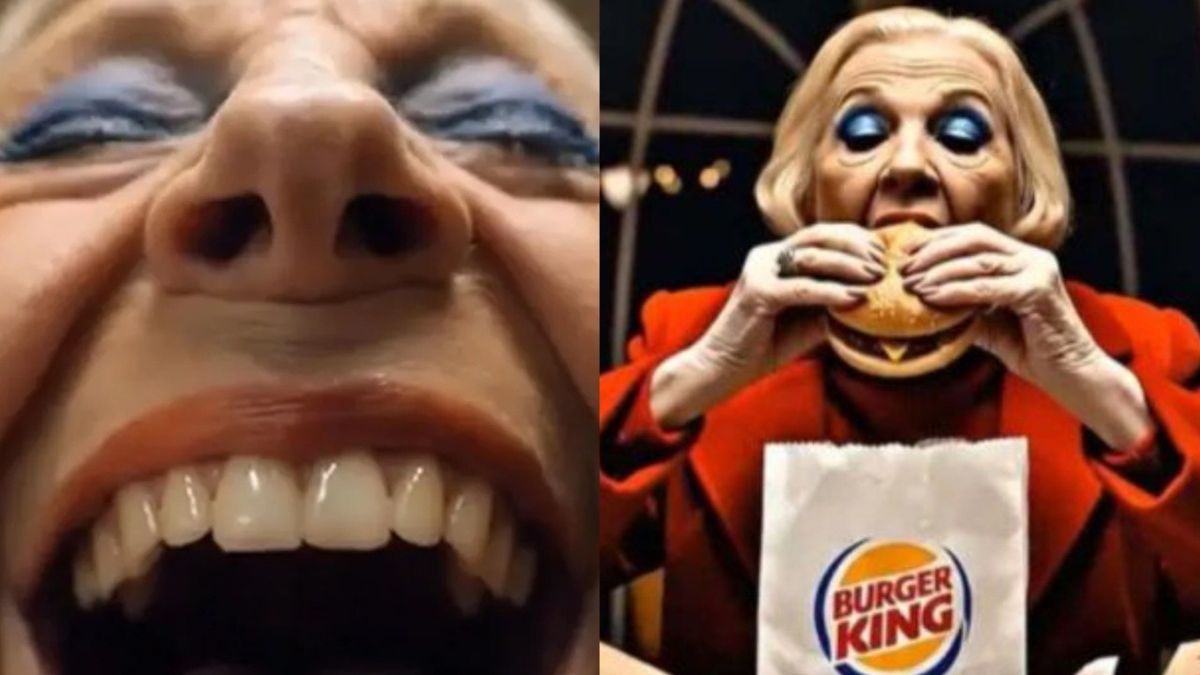
Adding to the discourse, the American creative agency All Trades Co. launched a counter-campaign that satirized McDonald’s AI ad. Featuring the AI character from the original advertisement, the satire humorously depicted her endorsing Burger King while disparaging McDonald’s offerings. The AI character’s commentary included a poignant critique on the value of human labor, suggesting that had McDonald’s opted for human involvement, such mockery could have been avoided. “It almost seems like we should value human labour, craft and creativity. But what do I know? I’m just AI. I’ll say and do anything,” the character concluded before transforming into a burger consumed by rats.
This incident is not isolated; previous efforts by brands to incorporate generative AI have faced similar pitfalls. In 2024, Coca-Cola had to retract a holiday advertisement after it also drew public ire for its AI-generated content. However, the beverage giant shifted its approach for Christmas 2025, launching a new AI ad accompanied by a documentary showcasing the human talent involved in its creation—a strategy that proved successful.
The fallout from McDonald’s Netherlands highlights the ongoing tension between technological advancement and traditional craftsmanship in advertising. As companies increasingly turn to AI for faster production, the public’s response suggests that a balance between innovation and human touch may be crucial for successful brand communication. This incident raises broader questions about the future of creativity in an age where efficiency often comes at the expense of authenticity.
See also netpulse AG Launches AI-Driven SEO Solutions, Transforming Swiss Digital Marketing Efficiency
 AI-Powered Customer Experience Orchestration Achieves 78% Personalization Demand by 2025
 FBI Warns of AI-Driven Holiday Scams Targeting Consumers with Fake Ads
 SEOWriting.ai Enables Rapid Publishing of 50 SEO Articles Weekly Without Burnout