Leaders in both the public and private sectors are voicing their concerns over President Donald Trump’s recent executive order, which challenges state regulations governing artificial intelligence (AI). The order, issued last week, has sparked a contentious debate regarding its implications for state sovereignty and whether it alleviates burdens on businesses operating in a complex regulatory landscape.
The order’s vagueness surrounding which state laws it preempts has fueled disagreements. Proponents argue that curtailing stringent state regulations, particularly those in **Colorado** and **California**, will ease compliance for businesses, especially small enterprises eager to implement AI solutions. They assert that navigating a patchwork of state laws can deter innovation and growth.
In contrast, critics emphasize that the lack of clarity regarding the federal stance on AI could lead to legal challenges and leave citizens vulnerable to the potential harms of unregulated AI technologies. They argue that if state laws are rendered ineffective while awaiting federal guidelines, the risks associated with AI could escalate, particularly for vulnerable populations.
The executive order exempts certain state laws, particularly those related to child safety and internal state AI uses, yet it aims to prevent states from enforcing regulations that “burden, restrict, or interfere with” interstate commerce or the administration’s forthcoming national AI framework. This raises questions about how state laws concerning consumer protection, transparency, and civil rights, among others, will be impacted.
Jake Parker, senior director of government relations for the **Security Industry Association**, clarified that the order primarily targets broad regulations rather than specific laws, such as Tennessee’s “Elvis Act,” which protects musicians’ rights. He noted that confusion exists regarding the order’s application, but he maintains that it shouldn’t undermine specific regulatory frameworks designed to address unique issues.
State officials have not remained silent. Legislators from **Illinois** have expressed their intent to continue regulating AI, while California lawmakers recently urged Congress to uphold state authority over AI regulation. Although the order carves out internal state uses of AI, it could still impact laws that extend to local governments or schools, particularly those that regulate AI vendors beyond contractual terms.
A coalition of influential groups, including the **National Association of State Chief Information Officers** and the **National League of Cities**, previously voiced their opposition to the executive order. They warned that imposing a moratorium on state AI legislation would represent a significant overreach into state authority and could hinder effective regulation that better serves local communities.
Moreover, a bipartisan group of 36 state attorneys general recently sent a letter to Congress opposing any preemption of state AI laws. They highlighted the critical role that these laws play in protecting citizens from emerging risks associated with AI technologies, such as scams and deepfakes, particularly affecting vulnerable groups like children and the elderly.
Some experts, like Ron De Jesus, chief privacy officer at **Transcend**, predict imminent state lawsuits against the order. He noted that both **Colorado** and **California** have indicated intentions to challenge the executive order in court, raising concerns about the broader implications for state authority over technology regulation. “If this becomes the playbook for dismantling other state laws, that would impact data privacy regulations,” he warned.
Cody Venzke, senior policy counsel with the **American Civil Liberties Union**, emphasized the necessity of maintaining state protections until a robust federal framework is established. He argued that state laws are essential for ensuring that AI technologies are safe, trustworthy, and non-discriminatory, underscoring that the current federal approach threatens these basic protections without offering any federal alternatives.
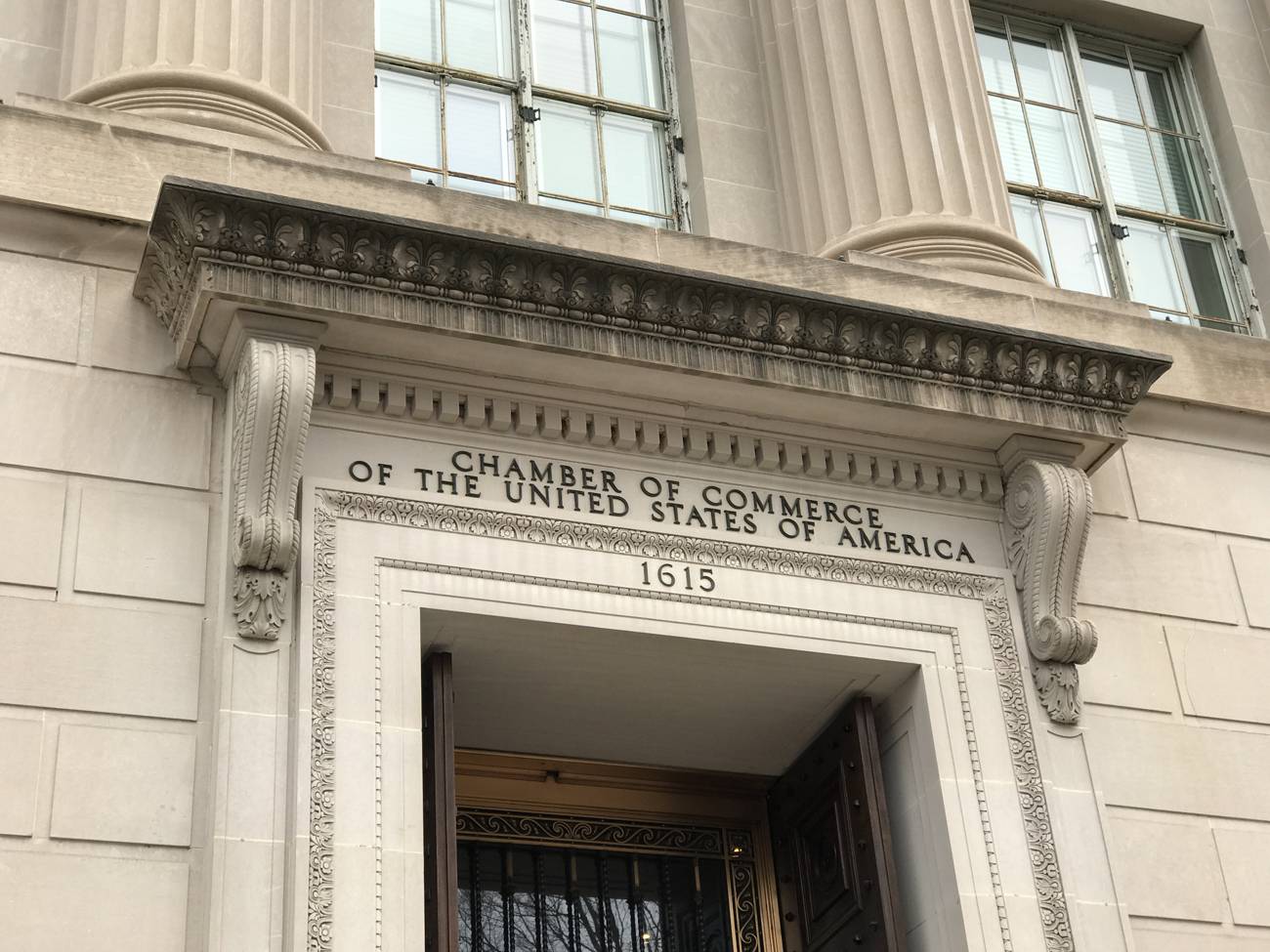
Conversely, **Michael Richards**, executive director of policy at the **U.S. Chamber of Commerce’s Chamber Technology Engagement Center**, argued that the cumulative cost of state AI regulations could stifle innovation and profitability for small businesses. He welcomed the administration’s directive to create a national framework, asserting that collaboration between businesses and government is essential for developing effective regulations. “Congress needs to work and develop something here,” he remarked.
As the debate unfolds, both state and federal authorities grapple with the complexities of regulating AI technologies. The confrontation between state sovereignty and federal preemption raises critical questions about the future of AI governance and the balance of power in regulating emerging technologies that increasingly influence everyday life. The resolution of this conflict will likely shape the trajectory of AI legislation and its implications for businesses and consumers alike.
See also TCS Launches Intelligent Urban Exchange™ for Enhanced ESG and CSRD Compliance Management
 Vietnam Advances AI Governance Framework with New Artificial Intelligence Law
 AI Compliance Challenges Rise as Misuse Cases Surge: Key Tactics for Advertisers
 Senator Marsha Blackburn Reveals TRUMP AMERICA AI Act to Establish Federal AI Standards
 Europe’s AI Sector Faces $500B Investment Gap as Omnibus Proposal Falls Short