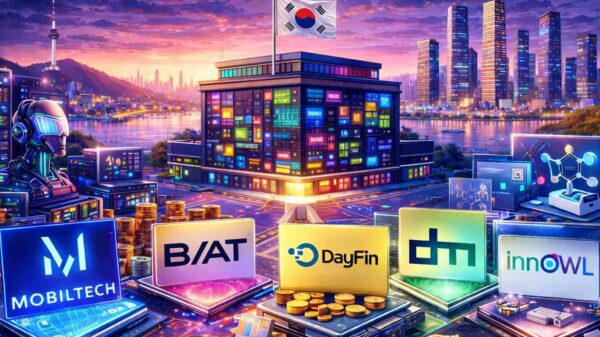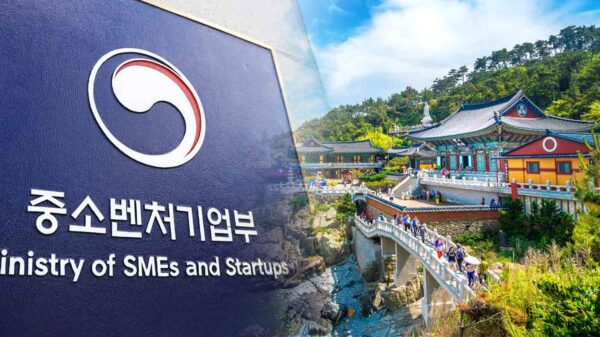






































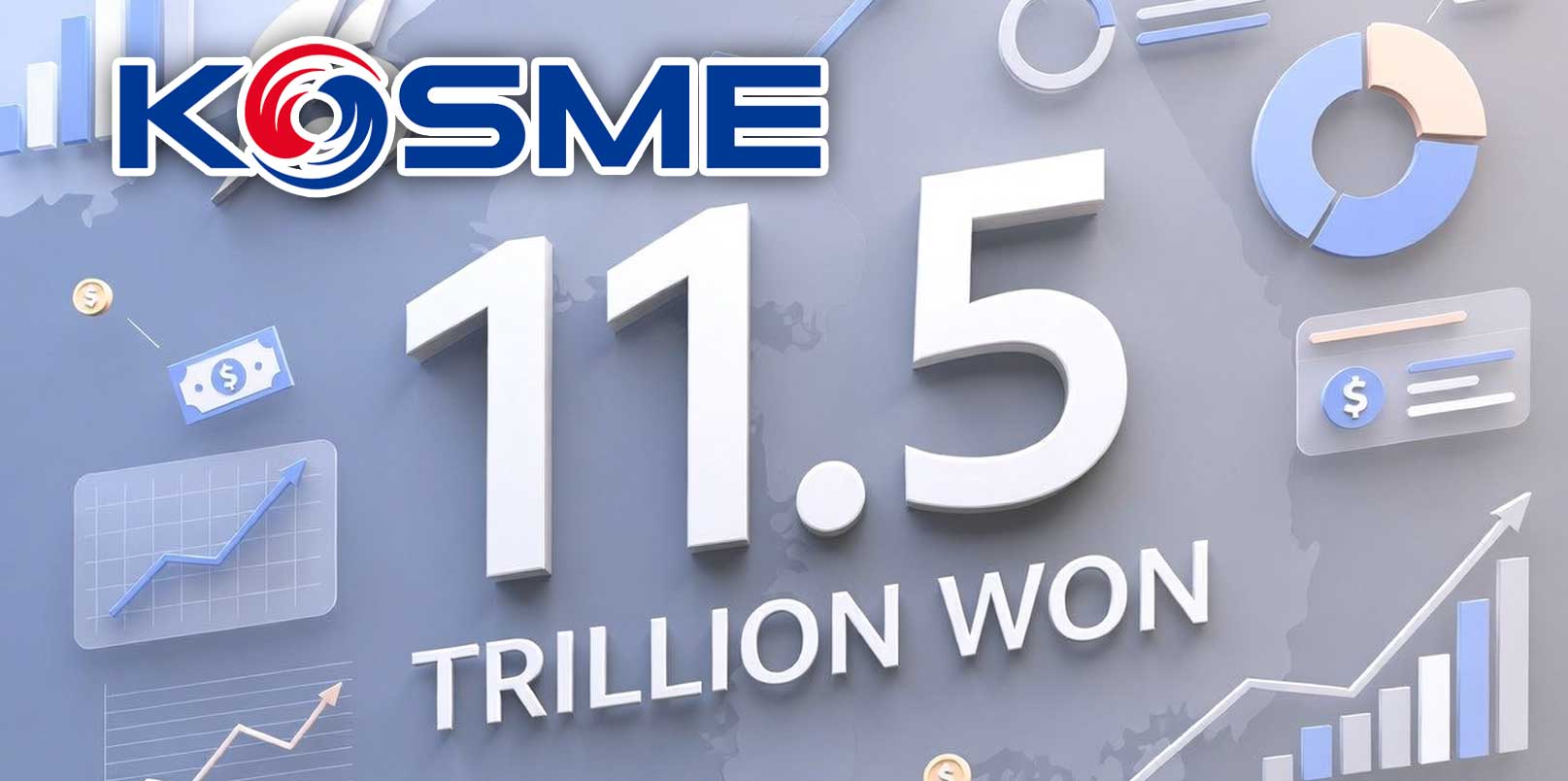
In 2026, Korea’s startup policy is poised for a transformative shift as the government galvanizes its efforts to redefine how growth capital, technology, and human resources converge. The Korea SMEs and Startups Agency (KOSME) has confirmed a budget of KRW 11.5129 trillion (≈ USD 8.9 billion) under its Startup and Promotion Fund, emphasizing a strategic focus on enhancing productivity, boosting exports, and fostering next-generation technologies among small and venture businesses, as the nation aims to bolster global competitiveness.
While the 2026 budget reflects a slight decrease of 0.4% from 2025, KOSME outlined a deliberate pivot from merely increasing financial volume to facilitating structural transformation. This initiative aims to integrate policy finance into a cohesive ecosystem that harmonizes capital, technology, and talent.
The fund will be anchored on three strategic pillars: Productive Policy Finance, which aims to drive corporate growth through targeted loans and investment-linked financing; Global Export Acceleration, designed to enhance export voucher programs and logistics infrastructure for SMEs; and Future Growth Foundations, focusing on regional innovation, AI integration, and human capital development. To support these efforts, KOSME plans to allocate KRW 4.4313 trillion toward policy finance, prioritizing sectors with high economic ripple effects, including manufacturing digitalization and innovation-driven growth.
KOSME is set to introduce hybrid financial instruments that blend loans with investment features, designed to attract private capital. This includes investment-linked loans, growth-sharing loans, and scale-up financing. A particularly noteworthy initiative is the KRW 140 billion “AX Sprint Preferential Track”, which is specifically aimed at firms focusing on AI adoption and transformation. Companies selected for this program can expect benefits such as interest rate reductions, expanded loan limits, and expedited approval processes to foster rapid market entry for AI and automation technologies.
In a bid to enhance export resilience amid global uncertainties, KOSME is increasing the budget for its Export Voucher Program to KRW 1.502 trillion, a rise of KRW 226 billion from the previous year. This program facilitates access to essential export services, including customs handling, marketing, and certification, through a voucher-based system available throughout the year. Eligible companies may also receive additional support for utilizing international shipping services.
KOSME is also investing KRW 17.3 billion to bolster online export logistics and establish new logistics centers specifically for SMEs in collaboration with Incheon International Airport, creating a “Smart Trade Hub” that integrates transportation, customs, and distribution into a streamlined process.
The agency plans to enhance its commitment to AI and regional talent development, increasing the budget for the Regional AI Transformation Project to KRW 49 billion. This initiative aims to integrate AI solutions across local industries. To further bridge the gap between startups and workforce preparedness, KOSME will expand its AI-specialized training ecosystem, including partnerships with universities and the establishment of AI-focused training centers in various regions.
KOSME Chairman Kang Seok-jin articulated a vision that transcends traditional financing, stating, “This year, our focus goes beyond capital provision. We aim to comprehensively support every stage of SME and venture growth. Through integrated policy, financial, and field-based support, we will strengthen competitiveness across the ecosystem.”
Korea’s evolving policy finance framework highlights a significant shift in how state-supported capital operates within the innovation economy. The design of the fund emphasizes continuity in ecosystem development, intertwining financial support, talent development, and AI-driven transformation to enhance global market readiness.
This transformation signifies Korea’s ambition to transcend its manufacturing legacy, positioning itself as an innovation-centered economy. Through a synchronized approach to regulation, financing, and talent cultivation, the country is fostering an environment where startups can scale effectively and compete on a global stage. The KRW 11.5 trillion Startup and Promotion Fund represents not just a budgetary allocation but a profound commitment to recasting Korea’s startup landscape for a future characterized by intelligent industries and international collaboration.
See also SATEC 2026: Industry Leaders to Examine AI’s Disruptive Role in Aerospace Innovation
 xAI Secures $20 Billion in Funding Led by Nvidia and Qatar to Expand AI Capabilities
 Salesforce’s Agentforce Recalibration Increases Costs, Complicates CIO AI Strategies
 Kovrr Launches AI Governance Suite to Enhance Risk Management Across Enterprises
 Arm Launches New Physical AI Unit to Develop Robotics and Automotive Semiconductors