































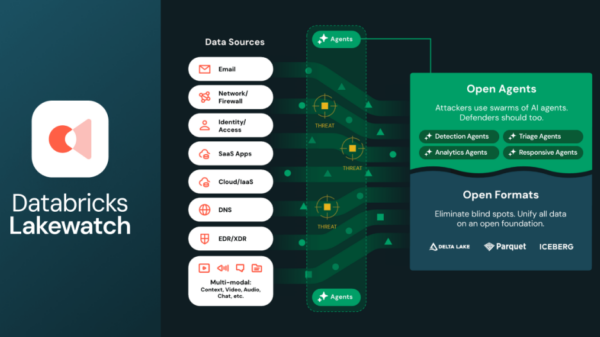














By 2030, artificial intelligence (AI) and automation are poised to revolutionize the realms of application delivery and threat detection, addressing the growing complexities and demands of modern digital environments. As businesses increasingly rely on sophisticated applications for operations, the integration of AI-driven automation is expected to streamline processes, enhance performance, and bolster security against emerging cyber threats.
Industry experts predict that the deployment of AI in application delivery will enable organizations to accelerate development cycles significantly. This shift aims to respond to the market’s insatiable demand for faster, more efficient software solutions. Through machine learning algorithms, AI can analyze vast amounts of data to identify patterns and optimize resource allocation, thereby reducing deployment times and improving responsiveness to user needs.
Moreover, the amalgamation of AI and automation will facilitate a self-healing infrastructure. Systems will gain the capability to detect issues autonomously, implement fixes, and recalibrate themselves without human intervention. Consequently, this development not only minimizes downtime but also ensures that applications deliver consistently high performance, aligning with user expectations.
In parallel, the escalating frequency and sophistication of cyberattacks necessitate advanced threat detection mechanisms. AI’s predictive capabilities will play a vital role in this area, leveraging data from various sources to foresee potential security breaches. By analyzing historical data, AI can identify anomalies that might signify a threat, allowing organizations to preemptively address vulnerabilities.
The integration of automation within threat detection processes is also expected to reduce response times significantly. Automated systems can triage alerts and prioritize threats based on severity, enabling security teams to focus their efforts on the most pressing issues. This dynamic approach is crucial, as today’s threat landscape is characterized by rapid changes and evolving attack vectors that challenge traditional security measures.
Furthermore, as enterprises transition to cloud-based infrastructures, the role of AI in cloud security will become increasingly paramount. AI tools designed for threat detection in cloud environments will help organizations manage security across diverse and complex architectures. These tools will not only enhance visibility but also ensure compliance with regulatory standards, a necessity for financial, healthcare, and other sensitive sectors.
Leading technology companies are already making significant investments in AI and automation technologies. For instance, major players in cybersecurity are developing AI-driven platforms that utilize deep learning to create models capable of understanding and predicting malicious behavior. These innovations aim to provide not just reactive measures but proactive defenses against potential threats.
Additionally, the growing adoption of AI-driven DevOps practices will further augment application delivery efficiencies. By incorporating AI into the continuous integration and deployment process, organizations can ensure that updates and new features are rolled out more seamlessly, reducing the likelihood of errors and enhancing overall software quality.
However, the shift towards AI and automation is not without its challenges. Concerns regarding data privacy, algorithmic bias, and the potential for job displacement must be addressed. As businesses adopt these advanced technologies, it will be crucial for them to implement ethical guidelines and transparency measures to build trust with users and stakeholders.
Looking ahead, the convergence of AI and automation will not only transform application delivery and threat detection by 2030 but will also redefine how organizations approach technology and security. The emphasis on agility, efficiency, and proactive risk management will likely become the cornerstone of digital strategies across industries, enabling businesses to thrive in an increasingly competitive landscape.
See also Cybersecurity Investment Set to Surge 99% Amid AI Threats, KPMG Survey Reveals
 Leidos Partners with RegScale and Trustible to Enhance Cybersecurity and AI Governance
 Cybersecurity, AI Governance, and Data Privacy Rank as Top Risks for Indian Firms: FICCI-EY Survey