























































As artificial intelligence (AI) continues to reshape workplace dynamics, Microsoft has announced a strategic integration with Coursera, allowing employees to access learning materials seamlessly within their existing workflows. This development aims to position training as an integral part of task execution rather than a separate, standalone activity. “As AI becomes core to how we work, it must also become a foundational part of how we learn,” remarked a company representative, underscoring the necessity for organizations to adapt their learning approaches in line with evolving job requirements.
The integration provides users with access to trusted learning content from both university and industry partners directly through Microsoft 365 Copilot. This move is in line with findings from Microsoft’s Work Trend Index, which highlights that AI-related skills have emerged as a top priority for companies as they deploy new technologies. Patrick Supanc, Chief Product Officer at Coursera, stated, “Users can now access trusted learning on Coursera within the tools they already use — bringing learning directly into the flow of work.”
This shift in how training is delivered is particularly relevant as employees increasingly adopt new technologies. Supanc added that this approach allows “training to more directly support on-the-job performance,” emphasizing the need for real-time learning solutions. Organizations with enterprise licenses for both Coursera and Microsoft 365 Copilot can access this new integration via chat prompts or navigation within the Copilot interface.
Microsoft has framed this integration as part of a broader trend toward embedding learning into productivity tools. Bryan Goode, Corporate Vice President of Business Applications and Agents at Microsoft, explained, “Learning works best when it is part of how work gets done.” He highlighted that this method enables Coursera to present materials in a rich, interactive format directly within chat applications, allowing employees to learn in context without interrupting their workflow. This development illustrates a significant evolution in workplace training methodologies.
For the education technology sector, this integration signals a clear direction. As AI tools become increasingly embedded in enterprise software, learning platforms are evolving to deliver training at the point of need rather than through isolated courses. This approach not only enhances the relevance of learning but also ensures that training is timely and applicable to current job tasks.
In a related development, the ETIH Innovation Awards 2026 have opened for submissions, recognizing education technology organizations that achieve measurable impact across various educational sectors, including K–12, higher education, and lifelong learning. These awards are open to entries from the UK, the Americas, and internationally, with submissions evaluated based on evidence of outcomes and real-world application.
As companies like Microsoft continue to innovate in the realm of workplace training, the integration of AI into everyday tasks suggests a future where continuous learning is not just encouraged but necessary for maintaining productivity in an increasingly tech-driven environment. The implications of these changes could redefine employee development strategies across industries, setting a new standard for how organizations approach the training and skill-building of their workforce.
See also 17 Education & Technology Reports Q4 Loss of $0.50 EPS Despite 6.4% Revenue Growth
 Melania Trump Introduces Humanoid Robot at White House Summit on AI Education
 Rise Up CEO Arnaud Blachon Launches Forge Learning as AI Platform Shift Accelerates
 Telangana Chief Minister Reddy Keynotes Harvard AI Symposium on March 27
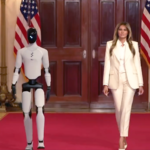 Melania Trump Introduces AI Robot Figure 03 at White House Education Summit














