
















































In a recent discussion, the Chief Information Security Officer (CISO) of Hewlett Packard Enterprise (HPE) highlighted how advancements in artificial intelligence (AI) have made cyber attacks easier and more cost-effective for malicious actors. This revelation underscores the growing challenges that organizations face in safeguarding their digital environments as technology evolves.
Speaking at a cybersecurity conference, the HPE CISO noted that AI tools can significantly reduce the time and resources required to execute sophisticated cyber attacks. “The very technologies that are designed to protect us can also be exploited by those with malicious intentions,” he stated, drawing attention to a critical paradox in the technology landscape.
The rise of AI-driven cyber threats has been a growing concern within the tech industry, particularly as more organizations adopt AI solutions for various applications. As these technologies become more accessible, the potential for their abuse increases. The CISO emphasized that attackers can leverage AI for tasks such as automating phishing campaigns and enhancing the effectiveness of malware.
As organizations strive to keep pace with technological advancements, the current threat landscape becomes increasingly complicated. The HPE executive pointed out that the cost associated with launching cyber attacks has decreased significantly, making it feasible for even small-scale attackers to execute complex strategies. This shift has prompted a re-evaluation of existing cybersecurity frameworks and the need for more robust defenses.
The conversation around AI and cybersecurity is particularly timely given the recent spikes in cyber incidents across various sectors. According to industry data, organizations have recorded an uptick in ransomware attacks and data breaches, partly attributed to the misuse of AI tools. The CISO highlighted that as the frequency and sophistication of these attacks rise, the cybersecurity industry must innovate rapidly to counter these threats.
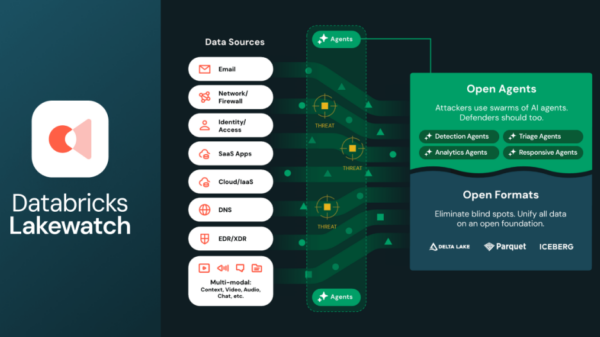
One of the key strategies discussed was the importance of integrating AI into cybersecurity defenses. According to the HPE executive, organizations should consider deploying AI-driven security solutions to enhance their threat detection and response capabilities. By utilizing machine learning algorithms, these tools can analyze vast amounts of data to identify anomalies and potential threats in real time.
In addition to leveraging AI for defense, the CISO stressed the need for comprehensive employee training and awareness programs. He argued that human error remains one of the weakest links in cybersecurity, and training staff to recognize phishing attempts and suspicious activities is crucial. “People need to understand the threats they face and how to respond effectively,” he said.
Looking ahead, the HPE CISO foresees a future where organizations will need to adopt a multi-layered approach to cybersecurity. This would involve not only advanced technologies but also strategic partnerships and information sharing among industry players. By collaborating, organizations can build a more resilient cybersecurity posture and stay one step ahead of malicious actors.
The insights shared by HPE’s CISO serve as a reminder of the imperative for ongoing vigilance in the face of evolving cyber threats. As AI continues to shape the landscape of cybersecurity, organizations must remain proactive in adopting innovative solutions and fostering a culture of security awareness to navigate the complexities of the digital age.
See also CISOs Prioritize 80% of 2026 Budgets for AI-Driven Cybersecurity Solutions
 White House Unveils New Cyber Strategy Focused on AI Security and Incident Reporting Changes
 AI Still Relies on Human Oversight for Multi-Stage Cyberattacks, Report Reveals
 88% of Organizations Hit by AI-Powered Cyber Attacks, Legacy Email Security Fails