




















































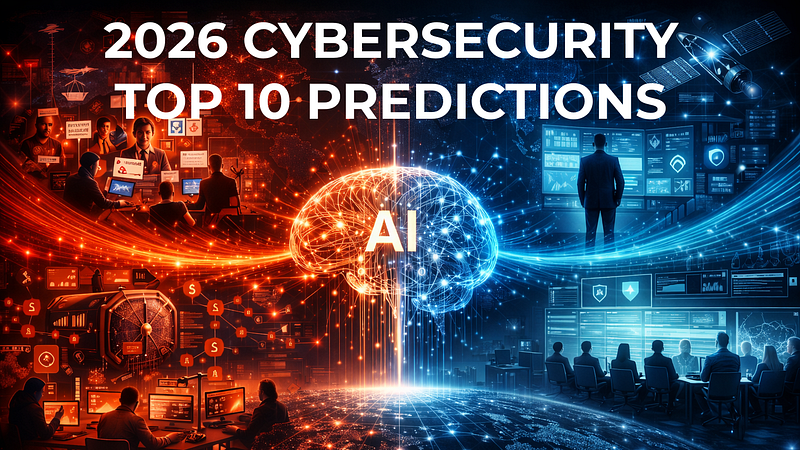
As the cybersecurity landscape evolves, predictions for 2026 are dominated by the transformative influence of Artificial Intelligence (AI). The integration of AI promises to redefine interactions among attackers, defenders, and targets, introducing both new vulnerabilities and enhanced attack strategies. With an increasing reliance on AI technologies, organizations face a critical challenge: to adapt quickly and effectively to prevent devastating cyber incidents.
Experts forecast that attackers will leverage AI to supercharge social engineering tactics, automating personalized phishing attacks that could achieve a success rate surge of 30% to 50%. These AI-driven efforts will exploit human cognitive vulnerabilities with greater precision, enabling attackers to craft messages that are culturally fluent and personally tailored, making them significantly more deceptive than traditional methods.
Moreover, the use of AI will expedite the discovery and exploitation of technical vulnerabilities. Attackers equipped with AI tools will be capable of identifying weaknesses at an unprecedented speed, shrinking the time available for organizations to patch their systems. This advanced orchestration means that once intruders gain access, they can move throughout systems, evade detection, and even adapt their methods to withstand ongoing security measures.
With the rush to adopt AI technologies, the attack surface will expand as organizations integrate AI systems via APIs and other protocols. This expansion, however, creates more opportunities for exploitation. Many organizations are unprepared for the vulnerabilities that accompany the rapid deployment of AI, potentially undermining established cybersecurity measures. The interconnectivity of these systems will expose trust boundaries that few security teams adequately understand, leading to a new class of vulnerabilities that malicious actors are poised to exploit.
The landscape will also see a shift in the threat actor lineup. While nation-states and traditional cybercriminals will remain formidable, the ranks of data harvesters and vulnerability researchers—both ethical and unethical—are expected to rise. These actors will increasingly utilize AI tools to discover and exploit vulnerabilities at scale, leading to an alarming uptick in disclosable security issues. The predicted rise in discovered vulnerabilities could exceed 30%, placing immense pressure on developers and security teams to respond swiftly.
In response to the evolving threat environment, ransomware tactics are anticipated to become more sophisticated. As organizations enhance their resilience to traditional ransomware demands, extortionists are likely to adopt creative tactics rooted in AI, effectively targeting specific vulnerabilities and relationships for maximum leverage. This evolution will see digital extortion become a multifaceted campaign rather than a single transactional event.
Geopolitical tensions will further exacerbate the cyber threat landscape, prompting nations to invest heavily in offensive cyber capabilities powered by AI. These investments support not only traditional military objectives but also broader strategies aimed at undermining adversaries through cyber operations. Consequently, offensive cyber operations will be fully integrated into national military strategies, underscoring the inextricable link between cybersecurity and national security.
On the defensive front, organizations are expected to adopt AI-powered tools to counteract the rapid evolution of cyber threats. Mature AI-driven cybersecurity solutions will emerge to enhance security operations, incident response, and vulnerability management. These tools will be capable of processing alerts with greater accuracy, minimizing human error and expediting incident response times. The advent of these technologies will represent a crucial evolution in the ongoing battle against AI-fueled cyber attacks.
As organizations navigate the complexities of AI adoption, governance will take center stage. The emergence of “Shadow AI”—untracked AI services deployed without proper oversight—will pose significant risks. Organizations will need to prioritize governance structures and ethical frameworks to ensure compliance and mitigate potential threats. This newfound focus will emphasize the importance of mapping AI assets and understanding their interconnectedness within organizational systems.
As the role of Chief Information Security Officers (CISOs) evolves, the demand for business-oriented leadership will become more pronounced. Moving beyond technical expertise, CISOs will be expected to align cybersecurity initiatives with broader business objectives, articulating value in terms that resonate with corporate stakeholders. This transformation will highlight the necessity for CISOs to engage with AI adoption as an opportunity rather than a risk, positioning cybersecurity as a strategic enabler of business success.
Looking forward, the interplay between AI’s capabilities and the cybersecurity landscape will shape the future of digital risk management. Organizations that proactively address the risks associated with AI while leveraging its potential stand a better chance of mitigating threats and maintaining resilience in an increasingly complex cyber environment. As AI becomes a fixture in both offensive and defensive tactics, the urgency for comprehensive cybersecurity strategies that anticipate and respond to these challenges is more critical than ever.
See also Nomani Investment Scam Spikes 62% with AI Deepfake Ads on Social Media
 Shadow AI Poses Security Risks for SaaS Integrations, Warns Nudge Security CTO
 AI-Powered Cybersecurity Solutions Achieve 95% Detection Accuracy in Real-Time Threats
 AI-Driven Cyberattacks Surge: Manufacturers Must Patch Vulnerabilities Before 2026
 Tenable Reveals 2026 Cybersecurity Predictions: AI-Driven Attacks and Custom Security Tools