










































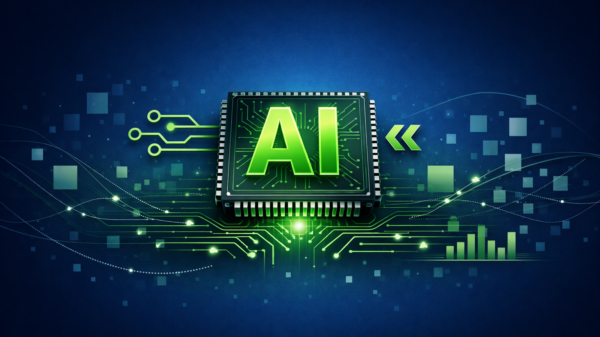





The cybersecurity landscape is increasingly complex, compelling modern Security Operations Centers (SOCs) to confront a relentless onslaught of threats, including sophisticated ransomware, supply chain attacks, and insider threats. With traditional methods of manually sifting through thousands of alerts becoming unsustainable, SOC automation has shifted from luxury to necessity. By leveraging artificial intelligence (AI), machine learning (ML), and orchestration, SOCs can significantly enhance their response capabilities, reduce analyst fatigue, and concentrate human expertise on high-priority threats that necessitate strategic judgment.
According to Seceon, the evolution of SOC automation is marked by several transformative trends that security leaders must understand to effectively allocate resources and enhance operations. AI-powered threat detection and behavioral analytics are redefining how SOCs identify risks. Traditional signature-based detection methods struggle against polymorphic malware and zero-day vulnerabilities. In contrast, AI-driven behavioral analytics creates dynamic baselines of normal activity, flagging deviations in real time. This shift enables User and Entity Behavior Analytics (UEBA), unsupervised machine learning models, and contextual threat scoring, which collectively refine detection and reduce false positives.
Seceon’s aiSIEM platform exemplifies this innovative approach by utilizing streaming machine learning to analyze billions of network events and logs in real time, providing high-fidelity threat detection. Furthermore, Security Orchestration, Automation, and Response (SOAR) has matured into a fundamental component of SOC operations. SOAR platforms allow teams to codify their institutional knowledge into automated playbooks, ensuring routine threats are managed at machine speed. With organizations reporting a 60-80% reduction in Mean Time to Respond (MTTR) after implementing SOAR, the emphasis is on enhancing analyst productivity rather than replacing human expertise.
The rise of Extended Detection and Response (XDR) marks another pivotal evolution in SOC automation, providing a unified view of threats across diverse environments. By integrating telemetry from endpoints, networks, and cloud systems, XDR addresses vulnerabilities caused by siloed security tools. Automated attack chain reconstruction and coordinated response actions enable swift containment across multiple vectors, reducing operational overhead while improving efficiency.
As enterprises migrate to hybrid and multi-cloud infrastructures, SOC automation must adapt to these changes. Cloud-native security architectures facilitate elastic scalability and continuous monitoring, while automated cloud security posture management ensures compliance and security across varied environments. Seceon’s platform is designed to streamline these processes for Managed Security Service Providers (MSSPs) and enterprises alike, allowing organizations to operationalize SOC automation without the need for extensive specialist teams.
To maximize the effectiveness of SOC automation, organizations are advised to adopt a tiered automation model that categorizes alerts by complexity and risk. This approach ensures that automation is applied judiciously, maintaining operational integrity. Moreover, comprehensive API integration is crucial. The ability of an automation platform to act across the security stack—whether it involves blocking malicious IPs or revoking compromised accounts—depends on its integration capabilities.
Organizations should also establish a metrics-driven automation maturity model to enhance performance. By tracking core metrics such as Mean Time to Detect (MTTD), MTTR, and analyst productivity ratios, companies can evaluate the effectiveness of their automation strategies. The most successful SOCs prioritize human-machine collaboration, allowing automation to handle repetitive tasks while human analysts focus on strategic threat assessment and response.
Despite the promising benefits of SOC automation, organizations must navigate inherent challenges, particularly those that arise from poorly structured workflows. Seceon emphasizes that its Open Threat Management (OTM) platform is designed around principles of intelligent automation and actionable response, helping organizations implement effective SOC strategies without significant resource investment.
Looking ahead, several emerging trends will further shape the future of SOC automation. The application of generative AI for natural language querying and automated incident report generation is expected to democratize access to automation. Additionally, as AI governance frameworks mature, many organizations may turn to fully autonomous threat response systems, particularly beneficial for MSSPs managing large client portfolios. As identity becomes a primary attack vector, SOC automation will increasingly focus on identity-centric strategies, enhancing real-time detection and response capabilities.
In a landscape where adversaries are already leveraging automation to scale their attacks, the need for SOC automation is more urgent than ever. It not only enhances operational efficiency but also empowers security teams to concentrate on strategic and creative tasks that require human insight. Seceon remains committed to making intelligent SOC automation accessible and effective, assisting organizations on their journey to bolster their cybersecurity posture.
See also Global Malware Analysis Market Hits $76B by 2033 Driven by AI Threat Detection Advances
 Acronis Reports 20% Rise in Cyberattacks Fueled by AI-Driven Phishing and Ransomware
 Palo Alto Networks Reveals Cyberattacks Now Four Times Faster, Driven by AI Integration
 Cloud Range Launches AI Validation Range to Securely Test Agentic AI Models
 Jeffs’ Brands’ KeepZone AI Signs Reseller Deal to Enhance Security for FIFA World Cup 2026