



































President Donald Trump announced plans to impose a 10% global tariff under a different authority, following a Supreme Court ruling that invalidated previous tariffs. Trump expressed disappointment, stating he was “ashamed of certain members of the court” for their decision, which has reignited discussions about trade policy. The new tariff will be “over and above our normal tariffs already being charged,” aiming to bolster domestic industries amid ongoing trade tensions.
In the realm of environmental forecasts, El Niño is projected to develop later this year, with potential implications for U.S. weather patterns in the latter half of 2026. Meteorologists anticipate that this climatic phenomenon could influence rainfall distribution, storm trajectories, and hurricane activity. Such changes are likely to affect agricultural output, energy markets, and various business operations across the country, highlighting the interconnectedness of climate and economic stability.
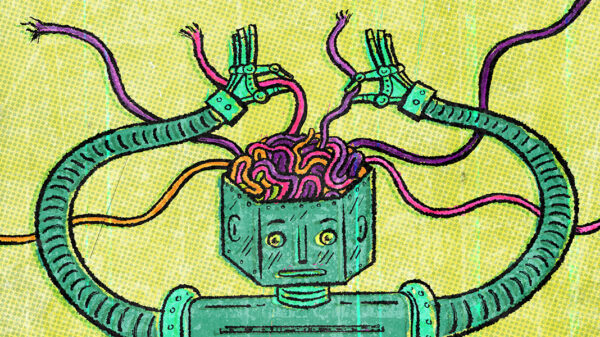
Meanwhile, a troubling trend in cybersecurity has emerged, as hackers harness generative AI tools to breach over 600 firewalls across 55 countries in a span of five weeks, according to a report from Amazon. The attackers exploited vulnerabilities, including weak credentials and single-factor authentication, suggesting that these intrusions may serve as precursors to more severe ransomware attacks. Amazon’s findings underline the growing threat of AI-augmented cybercrime, raising alarms about the evolving tactics of cybercriminals.
As the global landscape shifts with these developments, the implications for trade, climate, and cybersecurity are profound. Trump’s tariff announcement reflects ongoing efforts to navigate complex international trade dynamics, particularly as various sectors grapple with the repercussions of judicial decisions. The anticipated El Niño could further complicate weather-dependent industries, compelling businesses to adapt to changing conditions.
On the cybersecurity front, the rise of AI-driven attacks represents a significant challenge for organizations worldwide. Experts warn that as these technologies become more accessible, the potential for widespread disruption increases. Companies are urged to bolster their security measures, including multi-factor authentication and robust password policies, to mitigate risks associated with these sophisticated cyber threats.
As stakeholders across sectors respond to these issues, the interplay between governmental policy, environmental factors, and technological advancements will likely shape economic and social landscapes in the months ahead. The resilience of industries and the effectiveness of regulatory measures will be tested as entities strive to navigate an increasingly complex global environment.
See also BigBear.ai Expands into Travel & Border Security AI with $376M Backlog
 Cybersecurity Stocks Plummet 8%-9% After Anthropic Launches Claude Code Security Tool
 Anthropic Launches Claude Code Security, Triggering 8% Drop in Major Cybersecurity Stocks
 Anthropic Launches Claude Code Security, Triggering 9% Drop in Cybersecurity Stocks
 UAE Cybersecurity Council Thwarts Terrorist Cyber Attacks on Critical Infrastructure