






















































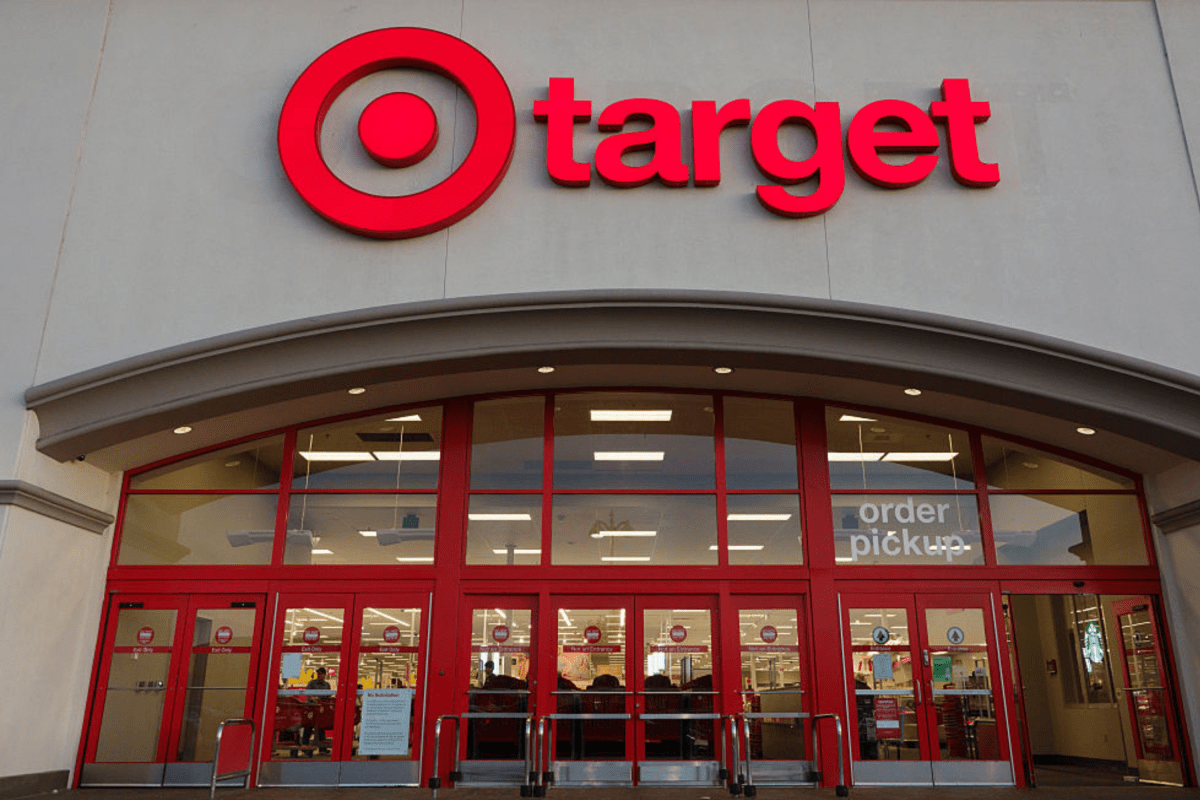
Target is facing scrutiny over its new AI-assisted shopping initiative, which raises questions about customer accountability following updates to its transaction terms. The changes indicate that customers may be held financially responsible for purchases made incorrectly by the company’s AI tools. This development highlights an ongoing shift in the retail industry, as companies increasingly incorporate artificial intelligence (AI) into the shopping experience to optimize how consumers browse and buy products.
The AI system, partially powered by Google’s Gemini models, serves as a digital assistant capable of recommending products and completing transactions on behalf of users. However, as AI assumes a more active role in retail, concerns are mounting about the implications of its potential errors and the responsibility for those mistakes.
Target’s updated terms specify that transactions executed by its AI agent are viewed as “authorized by you,” regardless of whether the outcome aligns with user intentions. The company acknowledges this limitation, stating in its terms that “Target does not purport to guarantee that an Agentic Commerce Agent will act exactly as you intend in all circumstances,” as reported by TechSpot. This policy comes as Target intensifies its investment in AI through a partnership with OpenAI.
Fidji Simo, CEO of Applications at OpenAI, expressed enthusiasm for the collaboration, stating, “We’re excited to work with Target as they weave intelligence throughout their business to create useful and joyful experiences for their customers and their employees.” Target’s executive vice president, Prat Vemana, emphasized the company’s goal to make shopping “as easy and joyful as browsing our aisles,” reflecting the importance of customer satisfaction in their AI strategy.
The policy shift has sparked backlash online, particularly among Reddit users who have raised concerns regarding the fairness of placing the burden of responsibility for AI-driven errors on consumers. One user remarked, “If it were your own AI agent, this would be understandable. But NOT when it’s the site’s own.” Others criticized the potential for returns to be limited to in-store credit, suggesting it locks customers into Target’s ecosystem, describing the practices as “predatory.”
A third commentator lamented a perceived trend of diminishing corporate accountability, stating, “Zero responsibility for corporations in today’s America. All punishment is for the citizens.” This sentiment underscores the growing anxiety consumers feel as they navigate a retail landscape increasingly reliant on automated technologies.
Target is not alone in this shift; other major retailers like Walmart and Amazon have also integrated AI shopping assistants, while cautioning users to verify their purchases. Such tools are designed to enhance shopping experiences through speed and personalization, but they also introduce additional layers of risk associated with automation and inaccuracies. While Target has assured customers that purchases made through its AI assistant will still be subject to standard return policies, the updated terms place the onus on shoppers to monitor transactions made in their name.
As artificial intelligence becomes more entrenched in everyday consumer experiences, the delicate balance between convenience and control emerges as a significant issue. Retailers, regulators, and customers alike continue to grapple with defining the responsibilities and limitations associated with AI in commerce. This evolving landscape suggests that the conversation around corporate accountability and consumer rights will be critical as technology plays a more integral role in purchasing decisions.
Newsweek has reached out to Target for further comment regarding the updates to its terms.
See also Alibaba Forms AI Steering Committee Led by CEO Eddie Wu to Drive $53B Investment Strategy
 Anthropic Launches Project Glasswing, Partners with 11 US Firms for Claude Mythos Access
 AI-Powered Startups Attract $10B in Investment as Innovation Reshapes Industries
 Younet AI Partners with Perpetuals.com to Launch Forgentiq.ai Sovereign LLM Platform
 Harvard Business School Integrates AI Tools into MBA Curriculum, Enhancing Case Method Learning














