
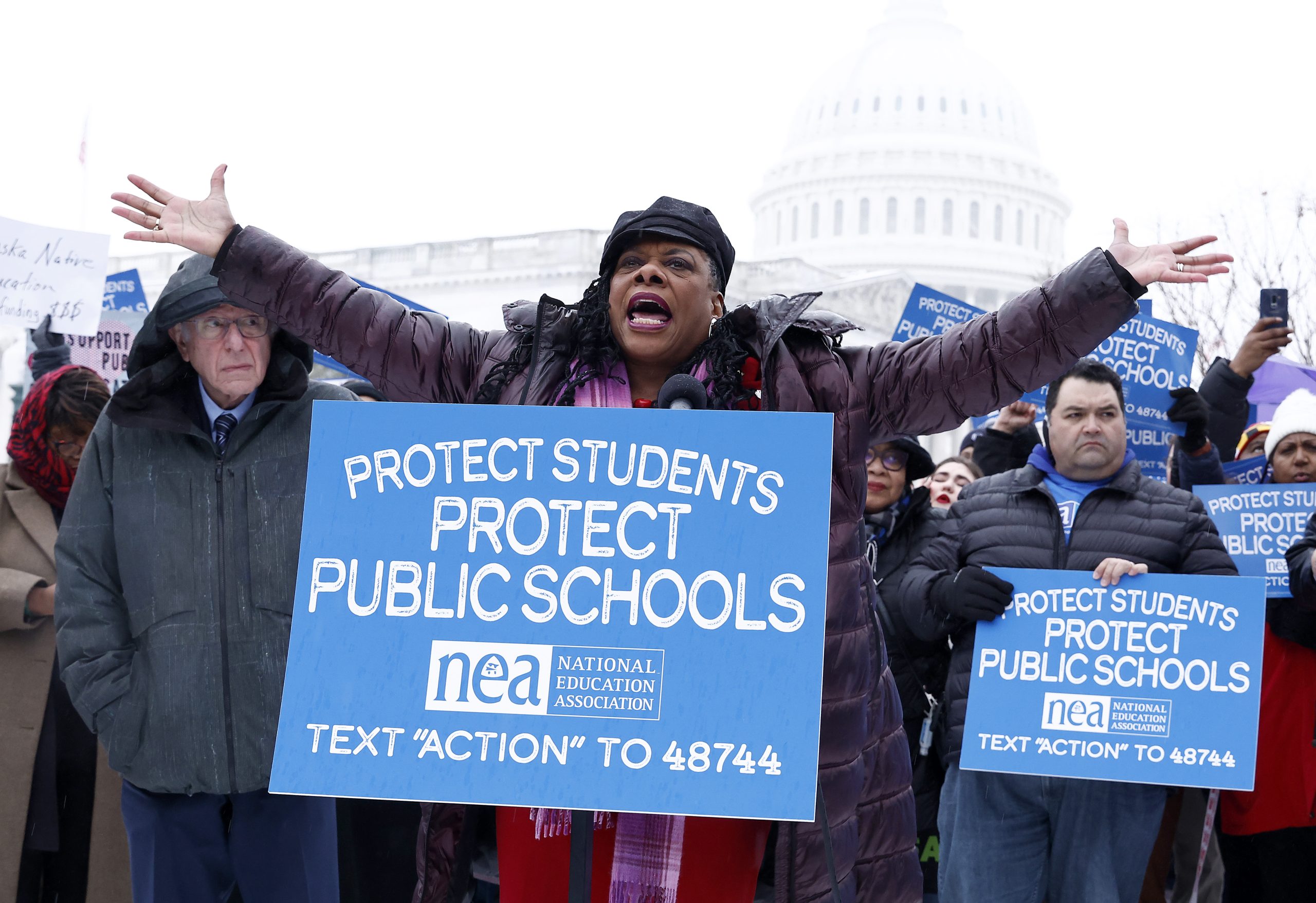
This year, significant challenges in the K-12 education landscape emerged, particularly for Black students. From attacks on diversity, equity, and inclusion (DEI) programs to the disruptive impact of Immigration and Customs Enforcement (ICE) raids, these developments have placed immense pressure on schools and their students.
The Trump administration has made it clear that DEI initiatives are under fire, with claims that such programs perpetuate discrimination. However, research consistently shows that these programs are vital for improving educational outcomes for Black students. Experts warn that without policies aimed at closing the Black-white opportunity gap, many Black children may continue to fall behind.
Further complicating the situation is the struggle of Black boys within the school system. According to Dr. David E. Kirkland, CEO of ForwardED, Black boys are disproportionately subjected to suspensions and special education placements, which can lead to a aversion to school. The lack of engaging educational practices for these students could contribute to a trend of opting out of higher education altogether.
In an alarming trend, many public schools have begun utilizing artificial intelligence for surveillance, employing technology such as facial recognition and predictive analytics to identify “high-risk” students. Critics argue that this technology disproportionately affects Black and low-income schools, potentially contributing to the school-to-prison pipeline.
Compounding these issues is a mental health crisis among Black students. A report from The AAKOMA Project indicates that over 40% of Black children aged 13 to 17 have contemplated suicide in the past year, often exacerbated by experiences of racism in schools. Researchers advocate for school districts to enhance support services tailored to the sociocultural needs of Black students, fostering safe and inclusive learning environments.
The teaching profession is facing its own crisis, as a RAND Corporation survey revealed that 28% of Black teachers are considering leaving the field, driven by low pay and a lack of respect. This exodus threatens to further decrease the diversity within educational environments, according to Becky Pringle, president of the National Education Association.
In addition to these systemic issues, ICE raids have wreaked havoc on K-12 education, particularly in urban centers like Chicago and Houston. The aggressive immigration tactics of the Trump administration have left many Black and Brown students feeling unsafe and traumatized, leading to notable declines in school attendance following ICE operations.
As the Trump administration continues its efforts to dismantle the Department of Education, advocates for equitable education express concern that shifting responsibilities to other federal agencies will only widen existing educational disparities. This restructuring could hinder efforts to provide Black students and other marginalized groups with the quality education they deserve.
The passing of Dr. Rod Paige, the first Black education secretary, marked the end of an era. He championed high educational standards and was known for his role in implementing the controversial No Child Left Behind Act. Paige’s legacy serves as a reminder of the ongoing struggles within the education system and the importance of leadership in addressing the needs of all students.
As we look to the future, it is crucial for educators, policymakers, and communities to address these pressing challenges with urgency. The road ahead must focus on not only supporting Black students but also fostering a more inclusive and equitable educational landscape for all.
See also Chinese Parents Turn to ByteDance’s AI Dola to Monitor Kids’ Homework Amid Education Cuts
 India’s Ed-Tech Revolution: 10 AI Innovations Reshaping Education in 2025
 AI Education Policies Shift as Data Breaches Expose EdTech’s Vulnerabilities in 2025
 Susquehanna Kids Launches 30 Free AI Workshops Across Pennsylvania Schools
 AwanBiru Technology Secures RM16.4M Contracts for Google AI Tools in Higher Education