






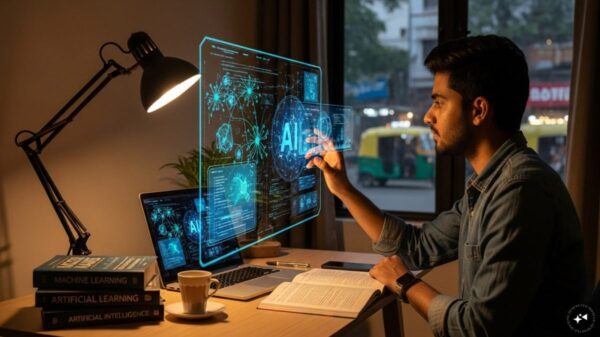
























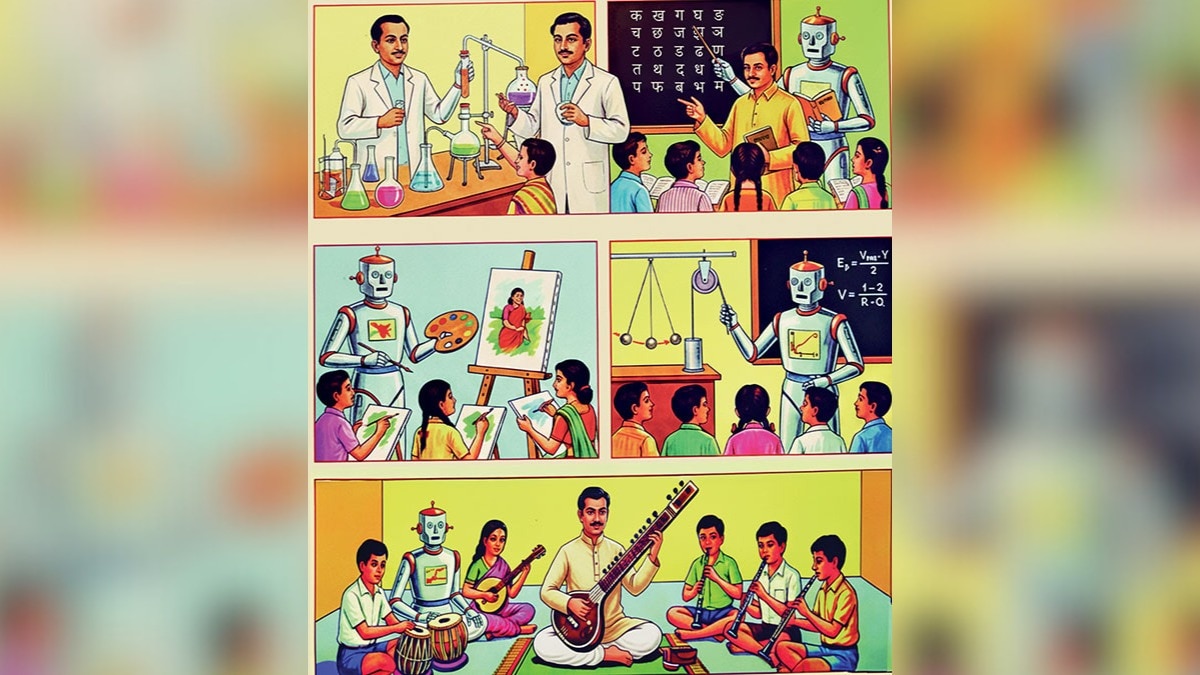
Artificial Intelligence is transforming education at an unprecedented pace, with schools and universities around the globe increasingly adopting this technology. This shift has redefined the dynamics of learning and teaching, integrating tools like AI tutors, automated assessments, and intelligent lesson planning into everyday classroom experiences. Just two years ago, many educators viewed these innovations as futuristic concepts, but they are now becoming essential components of educational systems worldwide.
As the trend accelerates, classrooms are seeing a diverse range of applications for AI. AI-driven platforms are providing personalized tutoring experiences for students, addressing individual learning needs in real time. These systems analyze student performance data, adapting lesson plans and assessments to optimize learning outcomes. The move toward automation in grading and feedback is also gaining traction, allowing teachers to focus more on interactive teaching rather than administrative tasks.
One notable example is the integration of AI in formative assessments, where students receive immediate feedback on their work. This not only supports learning but also encourages a growth mindset among students, fostering resilience and adaptability. Institutions are experimenting with these technologies in various subjects, from mathematics to language arts, highlighting the versatility of AI applications in tailored educational experiences.
Despite the potential benefits, the integration of AI in education raises several challenges. Educators and administrators must navigate issues such as data privacy, the digital divide, and the ethical implications of relying on automated systems. Concerns about the potential for bias in AI algorithms also persist, emphasizing the importance of developing transparent systems that prioritize fairness and inclusivity.
Furthermore, the transition to AI-enhanced education often requires substantial investments in infrastructure and training. Schools must ensure that teachers are adequately equipped to leverage these technologies effectively. This has prompted various educational organizations and technology firms to collaborate on professional development programs aimed at enhancing digital literacy among educators.
In addition to enhancing the learning experience, AI is also reshaping the administrative side of education. Institutions are utilizing predictive analytics to improve enrollment strategies and resource allocation, ensuring that they can meet the evolving needs of their student populations. This data-driven decision-making approach is becoming increasingly essential in a competitive educational landscape.
While AI’s influence in education is still in its nascent stages, its trajectory suggests that it will play a pivotal role in the future of learning. As more institutions begin to embrace this technology, the conversation around best practices and ethical considerations will likely intensify. Educators, technologists, and policymakers will need to work together to ensure that AI in education is implemented in a way that is equitable and beneficial for all students.
The rapid adoption of AI tools in education presents a unique opportunity to rethink traditional pedagogical approaches. By harnessing the power of technology, educators can create more engaging and effective learning environments. As this trend continues to evolve, the education sector stands on the brink of a significant transformation, one that could redefine how knowledge is imparted and acquired in the digital age.
See also Schoser Talent Launches Free AI Education App to Bridge Digital Literacy Gap in Rural Areas
 KITE’s Samagra Plus Wins Second National Award, Solidifying Kerala’s AI Education Leadership
 Higher Education Institutions Forge AI Readiness to Boost Employability and Innovation
 AI Challenges Educational Purpose, Shifting Focus from Inward Reflection to Future Outcomes
 Melania Trump Promotes AI in Education, Urges Human Curiosity for True Innovation