












































The start of the Winter term at Colorado colleges and universities, coinciding with the opening of the legislative session, echoes with the sounds of students settling into dorms and lawmakers engaging in discussions. However, the most significant dialogue at the intersection of education, technology, public policy, and the economy is being driven by artificial intelligence systems from firms like OpenAI, Anthropic, Google, and Meta, as well as numerous new entrants in the educational technology sector. This wave of innovation is reminiscent of the transformative phase that accompanied the dawn of the internet.
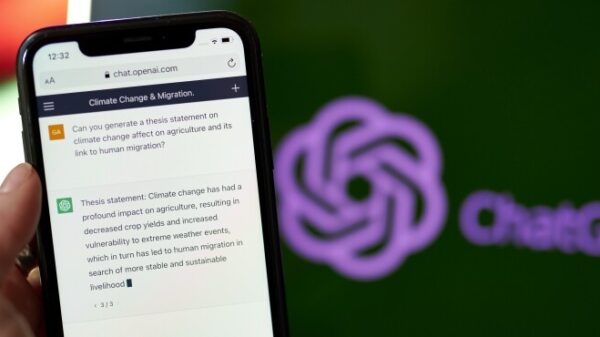
This rapid change compels stakeholders to transition from debating whether AI will alter education to exploring actionable strategies that maximize its pedagogical benefits while mitigating its risks to equitable, human-centered learning. In less than a year, the educational landscape has already begun shifting; AI chatbots are drafting essays, generating rubrics and assessments, and evaluating student work. Algorithms, and soon more autonomous AI systems, are poised to influence admissions policies, curriculum design, advising, workforce readiness, and even accreditation.
If implemented effectively, AI has the potential to expand access, personalize learning, reduce human error, and enable educators to focus on their core mission: teaching, mentoring, and inspiring students. Conversely, unchecked AI implementation could entrench biases, shift oversight from humans to machines, obscure decision-making processes, devalue degrees, and erode trust in educational systems.
State governments, educational institutions, technology providers, and AI companies are racing to strike a balance between fostering innovation and ensuring transparency and accountability. Colorado has chosen a proactive approach, enacting the nation’s first comprehensive regulations for “high-risk” AI in 2024—systems that make or significantly influence critical decisions in education. This legislation mandates that developers and users manage risks, disclose AI utilization, and provide human review paths for adverse outcomes, thus advancing innovation within a framework of responsibility.
Recognizing the importance of careful implementation, lawmakers returned in 2025 to adjust deadlines, allowing educational institutions to bolster their capacity without the disruption of a hurried rollout. This extension aims to safeguard essential protections while equipping campuses to develop governance, testing, training, and procurement standards—distinguishing responsible AI adoption from mere compliance with bureaucratic requirements.
Representative Michael Carter, who represents Aurora in Colorado’s House District 36 and served as Vice-Chair of the House Judiciary Committee during the 2025 AI regulation special session, emphasized the need for common-sense disclosures, alignment of AI with existing consumer protection and anti-discrimination laws, and a realistic timeline for institutions to adapt. The objective is to prioritize student welfare while allowing public institutions to comply without diverting resources from classrooms.
From the perspective of educational technology, the imperative is clear: responsible AI must adhere to pedagogical standards and pass a “do no harm” test. Tools that embody transparency, explainability, accessibility, and equity can enhance learning and nurture trust. In contrast, systems that obscure their logic, lack clarity in their decision-making, or diminish human oversight are unsustainable.
As leaders navigate the complexities of public policy and educational technology, several key principles are emerging. First, students’ rights must be at the forefront—when AI influences admissions or academic standing, they deserve transparent notices, clear explanations, and the ability to appeal to a human authority. This is not bureaucratic red tape; it is essential for maintaining trust.
Second, recognizing the spectrum of risk associated with AI is crucial. An AI tutor facilitating self-study poses different risks from an algorithm evaluating applicants. Therefore, compliance frameworks should be tiered, imposing stringent oversight on systems with significant implications for opportunities and outcomes.
Furthermore, AI should be designed to expand opportunities rather than limit them. Adaptive learning technologies, writing feedback mechanisms, and early-alert systems can help bridge preparation gaps, provided they are monitored for disparate impacts. Institutions and AI developers must engage in equity audits, ensuring tools promote rather than hinder every learner’s potential.
Finally, adequate support and clear guidance are vital. As the June 2026 deadline looms, institutions and technology providers require concrete operational guidelines that extend beyond broad standards. Creating safe harbors for organizations making good-faith efforts in risk management and testing encourages responsible experimentation and innovation.
Colorado’s pioneering role in AI regulation carries significant implications, as other states observe whether comprehensive frameworks can be effective or whether narrower, domain-specific regulations will prove more practical. The 2026 legislative session presents an opportunity to refine Colorado’s approach, addressing ambiguities and operational challenges to ensure the law effectively prevents discrimination while fostering beneficial innovation.
As AI continues to shape the future of higher education, it is imperative that stakeholders insist technology serves the educational mission and that critical decisions remain rooted in fairness, transparency, and human judgment. This dual focus is essential for protecting students and empowering innovation in the evolving educational landscape.
See also BASE Fellowship Launches to Support Black Researchers in AI Safety, Governance, and Security
 OpenAI Launches Nonprofit AI Jam in India to Empower Local Organizations with AI Solutions
 2026 GSV Cup Reveals 50 Innovative EdTech Startups from 3,000 Global Nominations
 UCL Computer Science Announces 2026 All-Girls AI Hackathon for Year 12 Students
 Namibox Launches NAMI INSIGHT One at CES 2026, Pioneering AI Learning Wearables