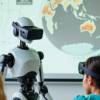


















































The Harris Poll conducted a survey of 2,017 employees across the United States earlier this year, revealing that 42 percent anticipate significant changes to their roles within the next year due to the rise of artificial intelligence (AI). Despite this expectation, only 17 percent of respondents reported using AI tools frequently, indicating a notable gap in adoption among the workforce.
Further insights from the survey disclosed that 34 percent of employees feel ill-prepared for the impending changes brought about by AI advancements. Alarmingly, 42 percent stated that their employers expect them to independently learn how to utilize AI tools. “AI is rewriting job descriptions faster than most organizations can keep up,” commented Priya Krishnan, Chief Transformation Officer at Bright Horizons.
Krishnan emphasized the importance of proactive measures by employers, noting that those who invest in their workforce now can not only bridge critical skill gaps but also foster a culture of resilience and innovation. “This is not about chasing trends but creating a workforce that thrives in a world where technology and human capability advance together. Education benefits, flexible learning, and AI literacy are the foundation for long-term competitiveness,” she added.
The report further illustrated that 85 percent of employees would exhibit greater loyalty to employers that invest in their continuing education, while 55 percent indicated that access to AI training or certification could increase their likelihood of staying with a company. This sentiment highlights a growing recognition among workers of the importance of skill development in relation to technological advancements.
When organizations provide AI training, the adoption of AI tools among employees jumps to 76 percent, a stark contrast to the mere 25 percent adoption rate among those without any training provided. This disparity underscores the critical role that education plays in overcoming hurdles to AI implementation in the workplace.
As companies grapple with the rapid pace of technological change, the need for upskilling and reskilling is becoming increasingly urgent. Employers are encouraged to create robust training programs that not only equip employees with essential AI skills but also reinforce their overall adaptability in a transforming job market. The findings from the survey serve as a clarion call for organizations to prioritize education and training in their strategies moving forward.
This urgent need for action highlights the potential for a significant shift in workforce dynamics, as employees seek to align their skills with an evolving technological landscape. The interplay between AI and human capability is not merely a trend but a lasting transformation that will require commitment from both employers and employees to navigate successfully.
See also EdTech Market Projects $92 Billion by 2033 as AI Adoption Surges to 50% in Schools
 OpenAI’s Chris Lehane Advocates for Federal Safety Standards for Frontier AI Models
 Brandon Amos Joins Reflection AI to Advance Reinforcement Learning and Open Models
 BoodleBox Secures $5 Million to Enhance AI Collaboration Across 1,200+ Institutions
 UK Copyright Laws Risk AI Innovation, Hinder Vaccine Development Efficiency