






























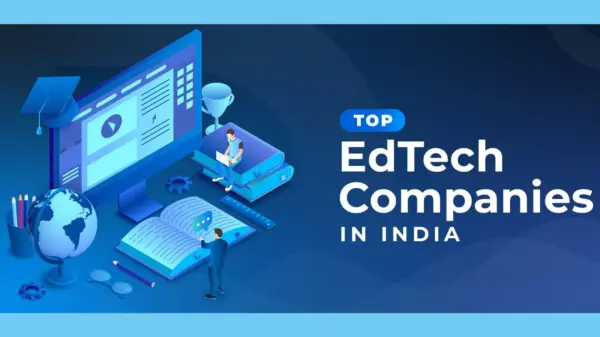












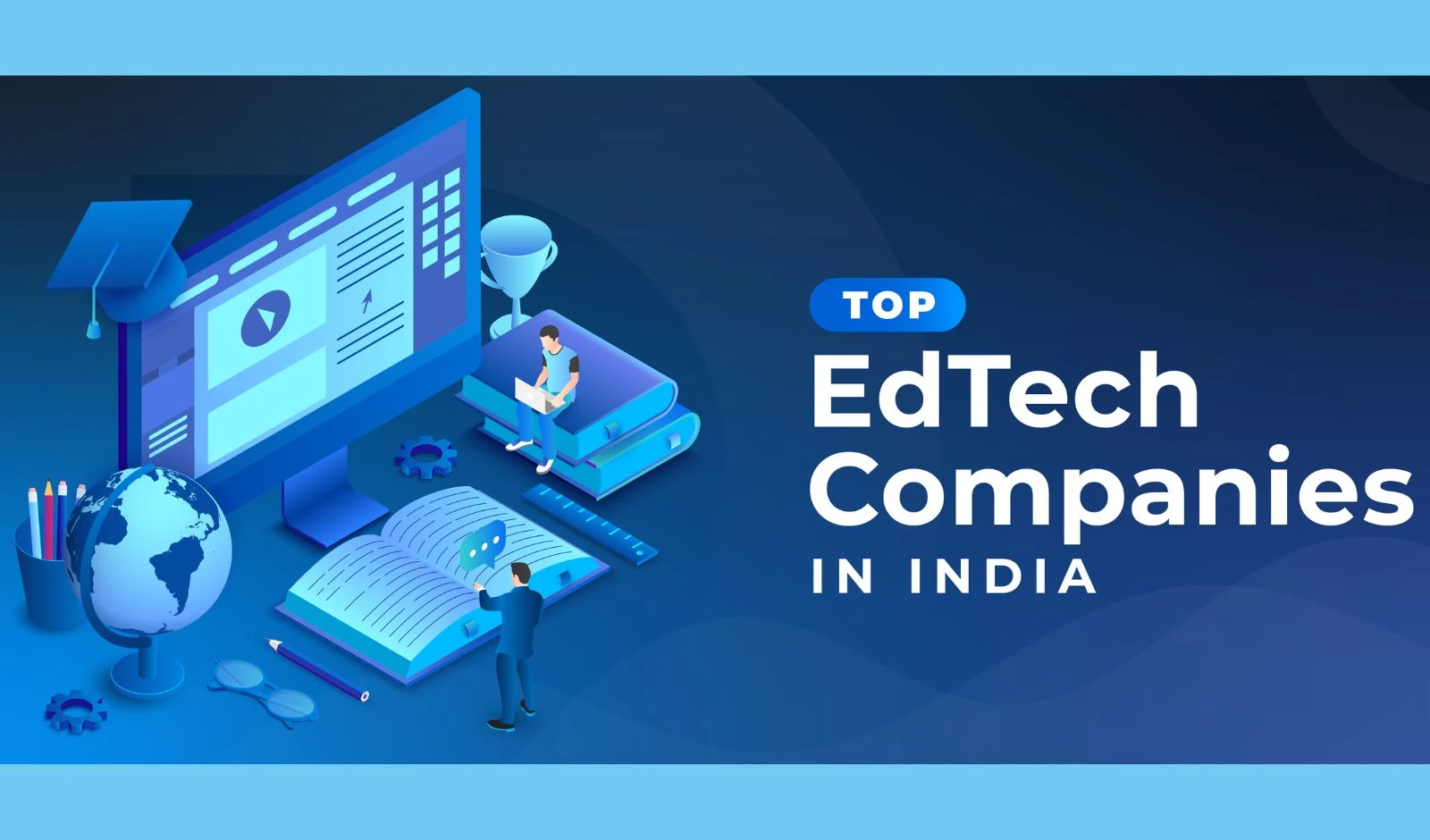
India’s education landscape is undergoing a significant transformation, driven by advancements in digital platforms, artificial intelligence, and skill-based learning. By 2026, the EdTech industry in India has emerged as a vital resource for both students and working professionals, reshaping the way education is accessed and delivered.
Among the frontrunners in this dynamic sector is Physics Wallah, founded by educator Alakh Pandey. Initially leveraging YouTube to provide affordable education, the company has evolved under CEO Prateek Maheshwari into a robust institution that combines online and offline learning. This hybrid model has allowed Physics Wallah to reach millions of students preparing for competitive examinations such as JEE and NEET, particularly benefiting those from rural backgrounds through direct engagement and low-cost high-quality content.
Unacademy, another leading player, was co-founded by Gaurav Munjal, Roman Saini, and Hemesh Singh. The platform has revolutionized competitive exam preparation, offering live classes and test series for exams like UPSC and SSC. As of 2026, Unacademy is adopting a more focused growth model that prioritizes quality education and improved student outcomes, continuing to leverage technology to connect educators with learners.
upGrad, founded by Ronnie Screwvala and now led by Mayank Kumar, has carved a niche in career-oriented education for professionals. With a strong emphasis on MBA programs, Data Science, and AI, upGrad addresses the evolving skill requirements of the job market, aiming to make the youth job-ready by focusing on practical skills and real-world applicability.
Vedantu, known for its live online classes, has gained popularity among school students and those preparing for competitive exams. Founded by Vamsi Krishna and his associates, Vedantu integrates interactive technology to offer personalized education, with a firm commitment to financial stability and quality education in 2026 under Krishna’s leadership.
Simplilearn, established by Krishna Kumar, specializes in skill-based certification courses across emerging fields such as IT and Cyber Security. The company has formed strategic partnerships with global universities and certification bodies, focusing on preparing professionals for the fast-evolving job market with job-ready skills.
Once the largest EdTech company in India, BYJU’S, founded by Byju Raveendran, is in a recovery phase following financial challenges. By 2026, the company is refocusing its efforts on delivering core educational content and enhancing learning outcomes, striving to rebuild its reputation as a leader in the digital learning space.
Aakash Educational Services, led by Aakash Chaudhry, has established itself as a trusted name in NEET and JEE preparation. The institution is expanding its digital classrooms into Tier-2 and Tier-3 cities, continuing to leverage its strong offline coaching foundation while embracing a hybrid educational model.
Allen Digital, the online division of the renowned Allen coaching institute, caters specifically to JEE and NEET aspirants. Founded by Rajesh Maheshwari, the platform has successfully translated its trusted offline reputation into the digital realm, emerging as a reliable brand by 2026.
Great Learning, founded by Mohan Lakhamraju and Hari Krishnan Nair, focuses on advanced courses in Data Science and AI, appealing to working professionals. The platform aims to strengthen employment-oriented education through industry partnerships and career-centric programs that prepare mid-career learners for the future.
Coursera India, while part of a global education platform, plays a crucial role in the Indian education ecosystem. Co-founded by Andrew Ng, a leading figure in AI education, Coursera India collaborates with top institutions like IITs and IIMs to offer high-quality online degrees, directly connecting students to the global job market.
Emerging as a noteworthy player in the sector is SpeakX, an EdTech startup focused on enhancing English speaking and communication skills. Founded by Arpit Mittal, SpeakX employs AI-driven learning models to provide real-time feedback to learners, rapidly gaining traction in Tier-2 and Tier-3 cities where English proficiency is increasingly essential for career advancement.
The broader EdTech landscape in India features several other significant players, including Eruditus, Teachmint, Embibe, and Toppr, all contributing to the development of digital learning and skill enhancement. With AI integration and interactive teaching methods, the industry is evolving to offer more personalized and effective learning experiences.
As the EdTech sector in India continues to grow, it is evident that strong leadership and visionary founders are critical to this transformation. The era of EdTech in 2026 reflects not only technological advancements but also a commitment to education as a social responsibility. The incorporation of AI, hybrid classrooms, and skill-driven courses will undoubtedly shape the future direction of education in India in the years to come.
See also Andrew Ng Advocates for Coding Skills Amid AI Evolution in Tech
 AI’s Growing Influence in Higher Education: Balancing Innovation and Critical Thinking
 AI in English Language Education: 6 Principles for Ethical Use and Human-Centered Solutions
 Ghana’s Ministry of Education Launches AI Curriculum, Training 68,000 Teachers by 2025
 57% of Special Educators Use AI for IEPs, Raising Legal and Ethical Concerns