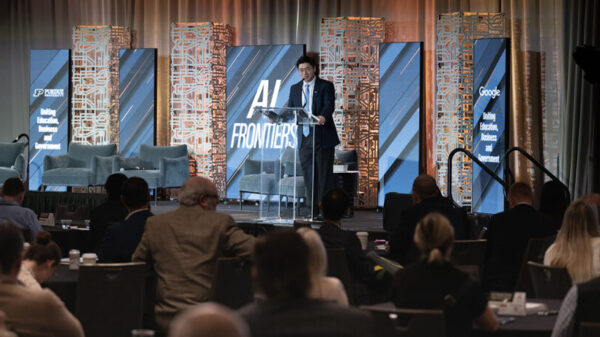
















































Purdue University has announced a significant initiative to integrate artificial intelligence (AI) into its undergraduate curriculum, mandating basic AI competency for all students starting with the incoming freshman class of 2026. This requirement was approved by Purdue’s Board of Trustees on December 12 and is part of the broader AI@Purdue strategy aimed at enhancing learning, research, and collaboration within the industry, as reported by Forbes.
Purdue President Mung Chiang highlighted the necessity of this initiative, stating that AI is rapidly reshaping both society and higher education. He emphasized the university’s commitment to proactively adapting to these changes across multiple functions, ensuring that students are not only consumers of technology but also informed contributors to the evolving landscape of AI.
The new AI competency requirement will be embedded into existing degree programs rather than imposing additional credit hours on students. The provost, in collaboration with college deans, will design discipline-specific criteria and proficiency standards, allowing students to demonstrate their AI skills through projects tailored to their respective fields. This ensures that the competency requirement is not a one-size-fits-all solution but rather a structured approach that aligns with the unique demands of each academic discipline.
Starting in the spring semester, current students will also have access to various AI resources, even as the official mandate will take effect only for those entering in 2026. This phased approach aims to provide a smoother transition and readiness for all students as they enter into a workforce increasingly influenced by AI technologies.
The overarching goal of this initiative is to prepare Purdue graduates to effectively navigate an AI-driven job market. Graduates will be expected to understand and utilize AI tools within their fields, communicate decisions informed by AI, and adapt to ongoing developments in this rapidly evolving sector. Provost Patrick Wolfe reiterated the importance of aligning the AI curriculum with industry needs, stating that each academic college will establish advisory boards tasked with providing annual insights into employer expectations regarding AI competencies.
Purdue’s commitment to AI education is further underscored by its existing offerings, which include Bachelor of Arts and Bachelor of Science degrees in AI, as well as a Master of Science in Artificial Intelligence. The university has been proactive in expanding its research capabilities across a range of sectors such as agriculture, manufacturing, transportation, logistics, and health sciences. Faculty and staff have access to advanced AI tools, including Microsoft 365 Copilot, enhancing their teaching and research capabilities. Collaborative partnerships with major tech companies like Google and Apple, including the establishment of a new Spatial Computing Hub, bolster Purdue’s AI infrastructure.
The move by Purdue University reflects a broader trend in higher education as institutions shift their focus from regulating AI use to proactively equipping students for a workforce transformed by these technologies. Universities across the country are increasingly introducing specialized AI majors and minors, setting up interdisciplinary research centers, and encouraging the use of AI tools to further academic endeavors. Purdue’s initiative not only serves to prepare its students for future career challenges but also illustrates a vital step towards creating a more informed and capable workforce that will thrive in the age of AI.
See also Allentown School District Launches Podcast on AI in Education, Highlights Student Innovations
 AI Study Reveals 75% Growth in Language Education Applications and Ethical Concerns
 AI Homeless Man Prank Sparks Outcry, Exposing Moral Crisis in Digital Education
 Disney and OpenAI Reach $1B Licensing Deal for AI Video Creation on Sora
 China’s CICBE 2025 Unveils AI Initiative to Transform Global Basic Education