






















































(Bloomberg) — The surge in artificial intelligence (AI) is significantly impacting the U.S. economy, with credit markets playing a crucial role in financing this growth. Utilities have emerged as major borrowers in this investment landscape, potentially transforming one of the most stable segments of the corporate-bond market into a more risky proposition.
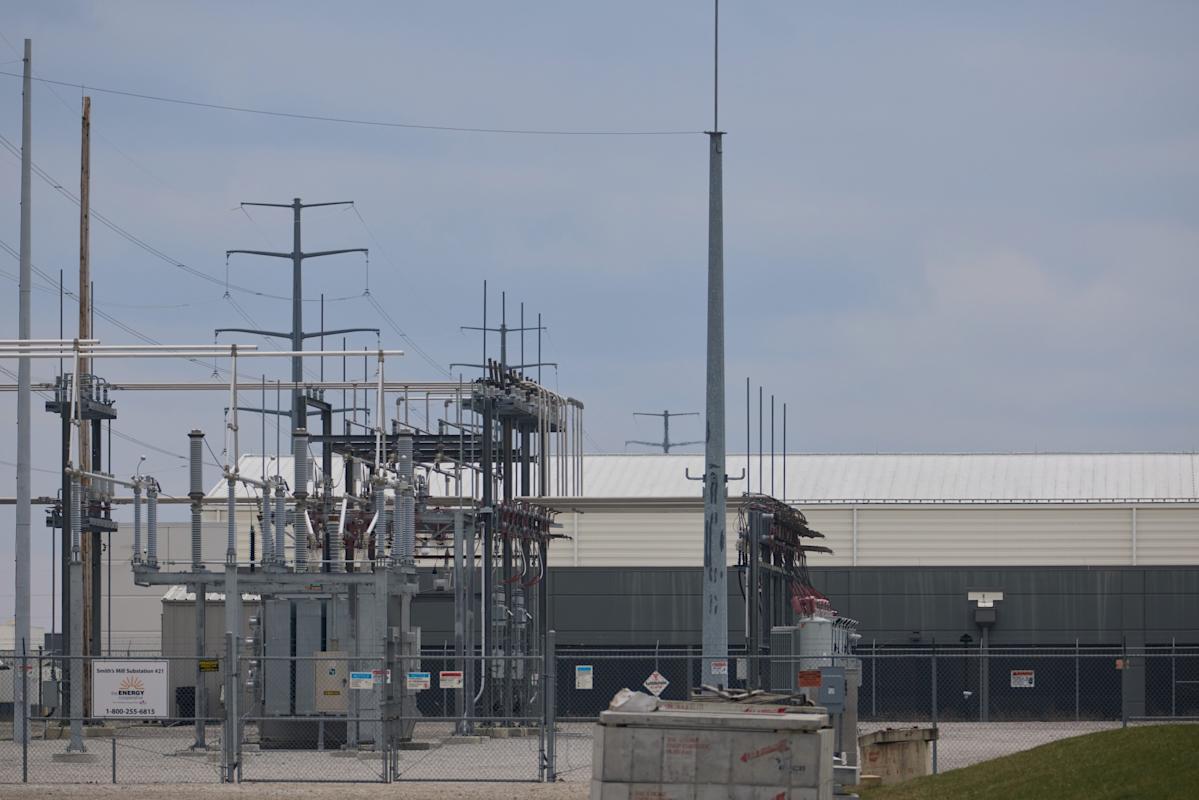
Investor demand for utility bonds has surged, with bond sales from U.S. utilities increasing by 19% this year, reaching a record $158 billion. This influx of capital is largely aimed at meeting the growing power demands fueled by the AI boom. Over the next five years, electric companies are projected to invest more than $1.1 trillion in power plants, substations, and other grid infrastructure—a 44% increase from previous spending levels. As a result, utilities are expected to rely heavily on debt financing to support these ambitious projects.
Despite the mounting debt, investor sentiment remains cautiously optimistic about the financial stability of utilities. The industry operates predominantly within a regulated framework, which dictates electricity prices and assures companies can recoup costs through customer charges. Utilities typically do not initiate large-scale projects without first securing regulatory approval, which includes provisions to earn a reasonable rate of return.
However, as utilities ramp up borrowing, the landscape for bond investors may shift. Analysts at JPMorgan Chase & Co. anticipate an 8% increase in utility-bond issuance next year, driven by the construction of new data centers and efforts to enhance grid resilience. Increased bond supply could lead to wider spreads and lower valuations, raising concerns among investors.
Investor anxiety about a potential AI bubble has also risen, casting doubt on the long-term viability of power-sector investments. Although utilities are somewhat insulated from tech downturns due to contractual obligations that ensure minimum payments, a significant slowdown in AI spending could adversely affect their growth narrative.
Adding to the complexity, political dynamics are influencing the utility sector. Electricity prices nationwide have risen by 5.1% over the last year, nearing record highs, prompting political candidates in the upcoming elections to campaign on promises to reduce utility costs. This political pressure may compel regulators to limit rate increases, which could, in turn, erode returns for investors in the sector. Tim Winter, an equity portfolio manager at Gabelli Funds, highlighted the potential for a challenging regulatory environment, noting that public dissatisfaction with utility costs could further complicate the landscape.
To mitigate these risks, bondholders may find better security in purchasing notes directly issued by regulated utility companies rather than their holding companies, which are less tethered to income-generating assets. According to Andy DeVries, an analyst at CreditSights, bonds from operating companies are backed by tangible assets like power plants and the right to serve customers in designated areas. He emphasized, “With operating companies, no bondholder has lost principal in 50 years.” In contrast, holding companies have faced instability—illustrated by PG&E Corp.’s two bankruptcy filings in the past 25 years.
Despite the looming challenges, there is optimism about growth within the utility sector. Brian Savoy, CFO at Duke Energy Corp., noted, “The utility sector is investing way more money than the cash flow it’s generating,” indicating a willingness from investors to accept the associated risks for potential growth.
The demand for utility bonds remains robust, evidenced by a recent $1.15 billion bond issuance by Florida Power & Light, a subsidiary of NextEra Energy Inc., which was oversubscribed by five times. Similarly, Duke Energy and Evergy Inc. experienced demand for their notes in November that far surpassed their offerings, with some seeing over six times the demand compared to an average coverage of 3.9 times for dollar-denominated high-grade bonds issued this year.
The evolving dynamics in the utility sector underscore the interplay between the burgeoning AI market and the financial strategies of utility companies, highlighting both opportunities and threats for investors as they navigate this complex landscape.
See also Financial Analyst Embraces AI Training to Future-Proof Career in Finance
 Amsflow Launches AI Financial Analysis Pro Plan for Just $59.99, Down from $599
 Kaaj.ai Achieves 28.6% Growth in AI Investments, Revolutionizing Small-Business Lending
 AI Transforms Banking in 2025: Regional Banks Innovate Amid Crypto Resurgence
 Arab Bank and Banco do Brasil Achieve Breakthroughs in AI-Driven Banking Solutions