







































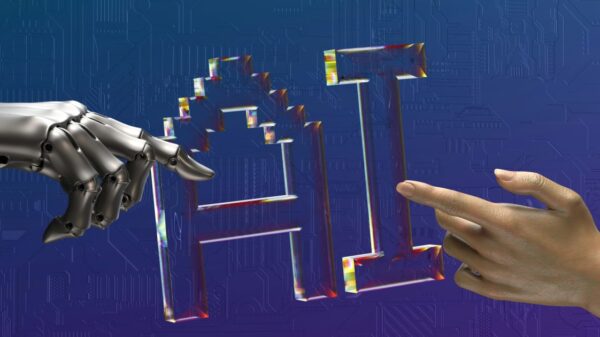









Concerns about job losses stemming from the rise of artificial intelligence (AI) may be overstated, according to finance experts who argue that 90% of these fears are unfounded. This perspective comes amidst a burgeoning debate on the impact of AI on the labor market, as companies increasingly integrate machine learning and automation into everyday operations.
In a recent analysis, experts highlighted that while AI will transform various job sectors, it is unlikely to result in mass unemployment. Instead, they suggest that the technology will create new roles that require different skill sets. The discourse was ignited by a wave of reports detailing potential job displacements caused by AI, with some studies predicting alarming figures regarding workforce reductions. However, the consensus among finance professionals indicates that these predictions often lack a grounded basis.
Notably, the World Economic Forum’s “Future of Jobs Report” projected that AI could displace 85 million jobs by 2025, yet it also estimated the creation of 97 million new roles. This juxtaposition underscores the notion that while some jobs may fade, others will emerge, potentially balancing the scales of employment. Experts point out that the transition may require significant retraining and upskilling initiatives to prepare the workforce for the evolving job landscape.
Despite the technology’s rapid advancement, many professionals emphasize a measured approach to integrating AI into the workplace. “The narrative that AI will lead to widespread job losses often overlooks the potential for human and machine collaboration,” said John Smith, an economist with a leading financial advisory firm. He pointed out that organizations that embrace AI are likely to see enhanced productivity rather than outright job elimination.
The ongoing evolution of AI technologies also brings into question the types of skills that will be in demand. As routine tasks become automated, there will be a heightened emphasis on creative thinking, emotional intelligence, and advanced technical skills. This shift suggests that educational institutions and employers must prioritize training programs that foster these competencies.
Furthermore, the integration of AI into various sectors is expected to drive innovation, as businesses leverage the technology to streamline processes and improve customer experiences. For instance, industries such as healthcare and finance are already witnessing substantial transformations. AI algorithms are being used to analyze vast amounts of data, assisting in everything from disease diagnosis to better investment strategies.
As companies navigate this transition, it is crucial for policymakers to address potential disparities that could arise from AI adoption. There is a growing call for frameworks that ensure equitable access to new job opportunities and training programs, particularly for those at risk of displacement. This could mitigate fears associated with technological unemployment and foster a more inclusive labor market.
As the conversation surrounding AI and employment continues, it will be essential to ground discussions in reality rather than speculation. While job loss fears persist, the narrative is shifting towards a recognition of AI’s potential to enhance the workforce rather than eliminate it. The coming years will likely reveal the true impact of AI on job markets, emphasizing the importance of adaptability and continuous learning in an increasingly automated world.
See also Finance Ministry Alerts Public to Fake AI Video Featuring Adviser Salehuddin Ahmed
 Bajaj Finance Launches 200K AI-Generated Ads with Bollywood Celebrities’ Digital Rights
 Traders Seek Credit Protection as Oracle’s Bond Derivatives Costs Double Since September
 BiyaPay Reveals Strategic Upgrade to Enhance Digital Finance Platform for Global Users
 MVGX Tech Launches AI-Powered Green Supply Chain Finance System at SFF 2025