






















































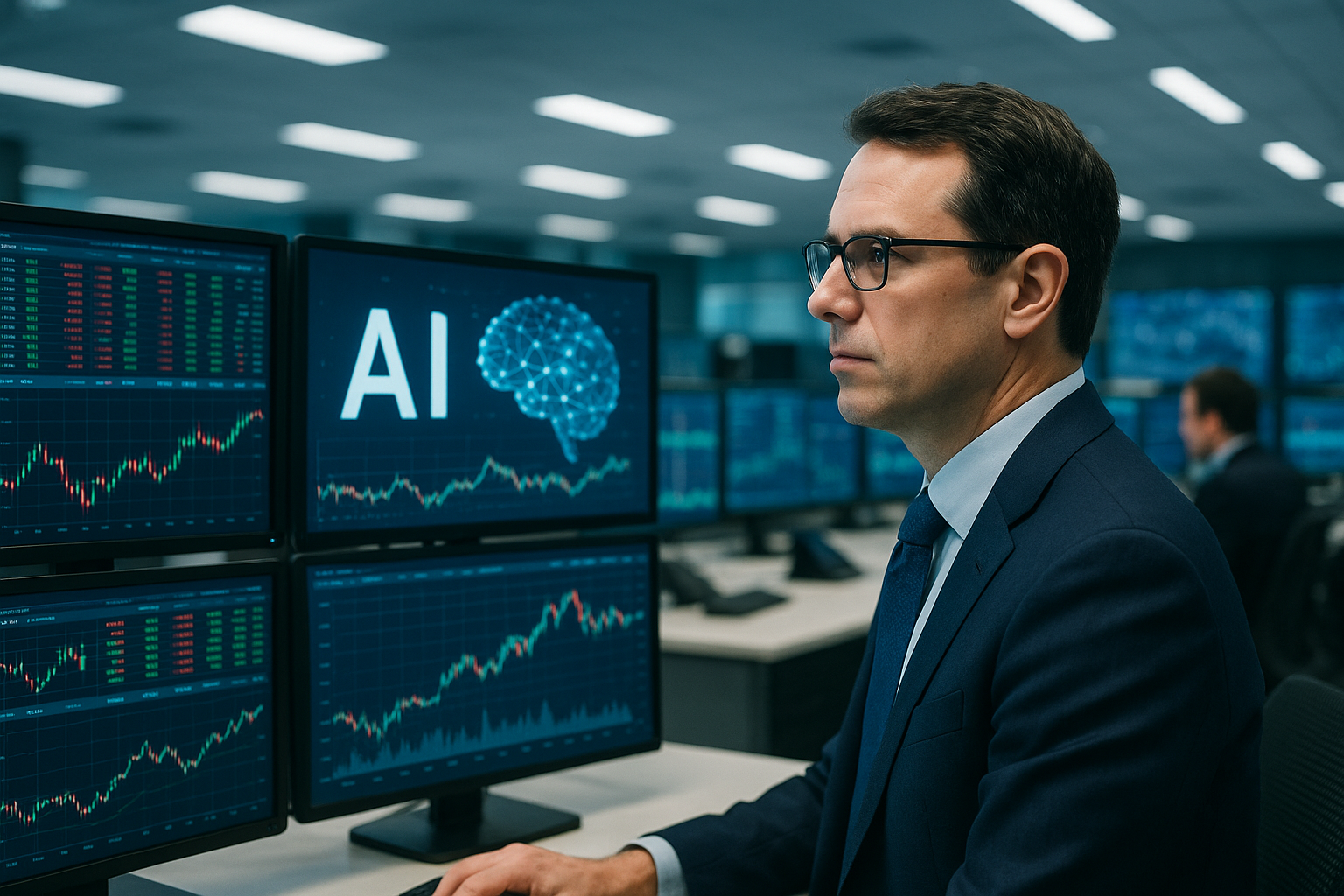
As the demand for investment in artificial intelligence (AI) continues to surge, the financial landscape surrounding tech companies is shifting dramatically. Recent data reveals that the cost of credit derivatives tied to Oracle Corp.’s bonds has more than doubled since September, signaling a growing caution among lenders and investors as they seek to protect themselves against potential defaults.
According to a report by Barclays Plc credit strategist Jigar Patel, trading volume for credit default swaps associated with Oracle has skyrocketed to approximately $4.2 billion in just six weeks. This figure marks a significant increase from less than $200 million during the same timeframe last year. The surge in demand for credit protection underscores the heightened risk perception in an industry heavily reliant on substantial borrowing for AI investments.
Investor Sentiment and Market Dynamics
With tech firms projected to sell around $1.5 trillion in bonds over the next few years, apprehension is palpable. Major bond sales linked to AI have emerged, such as Meta Platforms Inc.’s recent issuance of $30 billion in notes, the largest corporate bond issue in the U.S. for 2023, and Oracle’s own $18 billion offering in September.
The increasing reliance on debt among tech companies, often referred to as “hyperscalers,” has prompted banks and money managers to engage actively in the derivatives market. John Servidea, global co-head of investment-grade finance at JPMorgan Chase & Co., notes, “We’re seeing renewed interest from clients in single-name CDS discussions, which had waned in recent years.” This shift reflects both the high ratings of these companies and the growing exposure lenders have to them, fostering a demand for protective hedging strategies.
Despite the recent uptick, trading activity in credit derivatives remains modest compared to the vast amounts of debt anticipated in the market. However, this demand for hedging highlights the significant influence tech companies are beginning to exert on capital markets as they aim to reshape the global economy through AI technology.
Risks and Opportunities Ahead
Investors are increasingly aware of the risks tied to AI ventures. An initiative from MIT revealed that a staggering 95% of organizations are currently seeing no returns from their generative AI projects. While many of the leading firms boast healthy cash flows today, the volatile nature of the technology sector necessitates caution. Historical precedents, such as the decline of once-prominent companies like Digital Equipment Corp., serve as reminders that even the most secure bonds can become risky. If profits from burgeoning data centers fall short of expectations, many investors could face unexpected defaults.
In recent weeks, credit default swaps for companies like Meta Platforms Inc. have begun trading actively, a direct result of their massive bond issuances. The situation for CoreWeave, which recently adjusted its annual revenue forecast downward, illustrates the fragility of investor confidence in these high-stakes ventures.
While some market analysts view the current increase in credit default swaps trading as a temporary reaction to the booming data center build-out, others like Sal Naro, chief investment officer of Coherence Credit Strategies, express a desire for a sustained revival in the CDS market. Naro has remarked, “Nothing would make me happier than to see the CDS market truly be revived,” highlighting the complex dynamics at play in this evolving financial landscape.
In summary, as tech companies increasingly dominate capital markets with their ambitious AI endeavors, the burgeoning market for credit derivatives serves as both a protective measure for investors and a reflection of the shifting dynamics within the industry. The future of AI investments remains uncertain, but one thing is clear: the stakes are higher than ever.
See also BiyaPay Reveals Strategic Upgrade to Enhance Digital Finance Platform for Global Users
 MVGX Tech Launches AI-Powered Green Supply Chain Finance System at SFF 2025
 Ant Group’s Eric Jing Unveils AI Strategy to Empower SMEs and Enhance Global Settlements
 AI in Finance Faces Market Crowding Risks, Experts Urge Caution and Vigilance
 AMA Advocates for Physician Oversight in AI Integration to Ensure Patient Safety and Data Security















