



































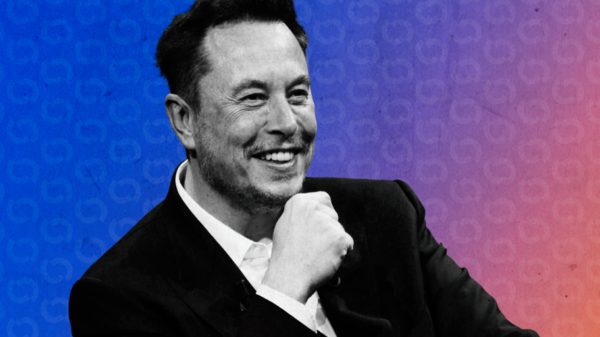




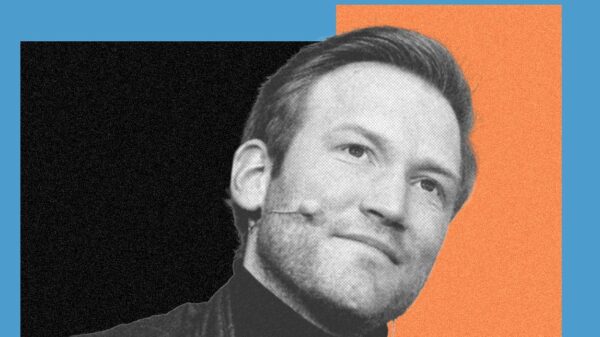

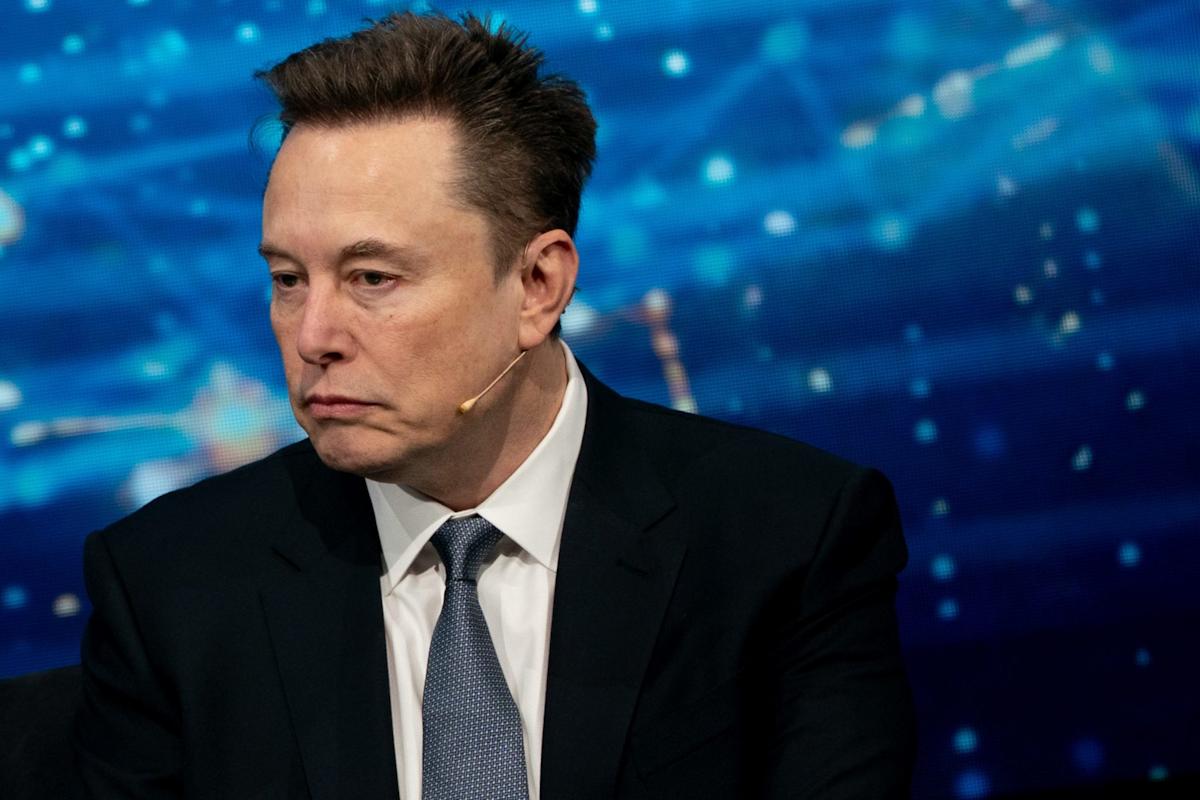
At the recent U.S.-Saudi Investment Forum in Washington, D.C., Elon Musk, the CEO of Tesla, presented a provocative vision for the future of work, suggesting that within the next 10 to 20 years, employment may become optional. He likened the choice to work to the decision of cultivating a vegetable garden: while some may opt to grow their own food, many will prefer the convenience of purchasing it. “My prediction is that work will be optional. It’ll be like playing sports or a video game or something like that,” Musk stated.
According to Musk, this potential shift towards a work-optional society will be driven by a significant increase in automation, facilitated by millions of robots enhancing productivity. His ambition is to expand Tesla’s operations beyond electric vehicles, aiming for approximately 80% of the company’s value to stem from its advancements in AI and robotics, particularly with the development of the Optimus humanoid robots, despite ongoing production delays.
However, the outlook on automation is not universally optimistic. Many experts express concerns regarding the displacement of jobs, particularly for entry-level positions—issues that could exacerbate difficulties faced by younger generations like Gen Z. The current economic climate demonstrates that AI advancements may not necessarily lead to a utopian outcome for all. “The notion of an automated future is less bright, particularly amid concerns about…AI displacing entry-level jobs,” experts warn.
Musk’s vision echoes themes found in Iain M. Banks’ science fiction works, where a post-scarcity world thrives without traditional job structures or even money. Musk suggested that as AI and robotics evolve, “money will stop being relevant.” At the Viva Technology 2024 conference, he proposed the concept of a “universal high income” to support a society where work is no longer a necessity. However, he did not detail how such a financial system might operate.
The Economic Challenge of Automation
Despite the allure of Musk’s vision, economists caution that achieving a fully automated future is fraught with challenges. Ioana Marinescu, an economist from the University of Pennsylvania, highlighted the potential barriers to widespread robotic adoption, noting that while AI costs are decreasing, robotics remain expensive and specialized. For instance, a report from Ramp indicated that companies spent $2.50 per 1 million tokens for AI usage, down from $10 a year prior.
Marinescu acknowledges the rapid progression of AI technologies, particularly in applications for white-collar jobs. Still, she expresses skepticism about Musk’s timeline for full-scale automation, citing the slower-than-expected adoption of AI in workplaces. A report from Yale Budget Lab stated that since the public release of ChatGPT in November 2022, the labor market has shown no significant disruption attributable to AI.
The future of work raises pressing questions about economic inequality. Samuel Solomon, a labor economics professor at Temple University, pointed out that while AI generates significant wealth, it is crucial to consider whether this growth is inclusive. “AI has already created so much wealth and will continue to. But…will everyone benefit?” he asked.
A Shift in Human Meaning
As debates over the implications of a work-optional society continue, experts like Anton Korinek from the University of Virginia emphasize the need to reassess societal values. The landmark Harvard University study from 1938 found that humans derive satisfaction from meaningful relationships, many of which currently stem from work environments. Korinek posits that as labor’s economic value diminishes, society must reevaluate how relationships and meaning are constructed.
Musk himself mused on the existential aspects of human purpose in a world dominated by superior AI and robotic capabilities. “If the computer and robots can do everything better than you, does your life have meaning?” he queried, suggesting that perhaps humans may provide meaning to AI in this new reality.
As the discourse on the future of work unfolds, it remains vital to critically examine the intersection of technology, economy, and society. Musk’s vision, while ambitious, underscores the complexity of realizing a work-optional future, prompting both hope and caution in equal measure.
See also AI Adoption in Finance Lags as 95% of Projects Fail to Scale, Warns MIT Study
 AI Industry Faces Scrutiny as $400B Investment Sparks Concerns Over Bubble Burst
 Tesla Stock Falls 3% Amid Robotaxi Progress and AI Bubble Concerns
 Generative AI Can Cut Auto Finance Costs by Up to 8% According to McKinsey Report
 Surgent CPE Launches Agentic AI Certificate Series for Accountants with 10 CPE Credits