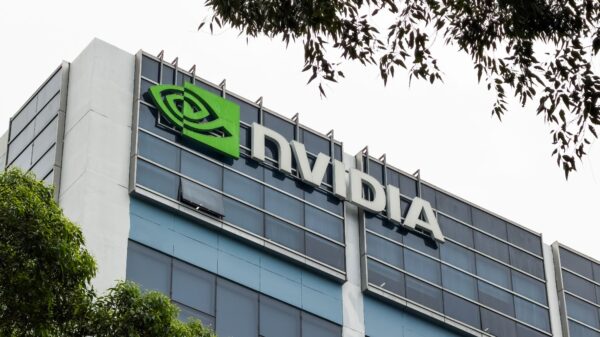



















































Nvidia (NASDAQ:NVDA) shares rose approximately 1% on Wednesday morning following reports that the company has approached Taiwan Semiconductor Manufacturing (NYSE:TSM) to expand production of its H200 AI chips. The increased production comes in response to robust demand from Chinese technology firms, which have placed orders for over 2 million units expected for delivery in 2026. Currently, Nvidia has around 700,000 chips in its inventory, with production at TSMC anticipated to commence in the second quarter of next year.
The H200 is part of Nvidia’s Hopper architecture and is manufactured using TSMC’s advanced 4-nanometer process. While specific details regarding the volumes and pricing of the H200 chips remain undisclosed, sources familiar with the matter indicate that the first batch is scheduled for shipment from existing stock before the Lunar New Year in mid-February. Reports suggest that the price per chip is around $27,000, although this may vary based on customer and order volume.
This expansion in production comes as Nvidia gears up for its next-generation Blackwell and Rubin chips. Industry analysts observe that the strong demand from China may lead to tighter global supplies of AI chips, given the limited availability of such components in other markets. The H200 chip is crucial for various AI applications, and the increasing orders reflect a growing trend in AI technology adoption, particularly in China.
Nvidia’s strategic move to boost production capacity illustrates its intent to remain a dominant player in the competitive landscape of AI hardware. As global technology firms ramp up their AI capabilities, the demand for high-performance chips like the H200 is likely to continue soaring. This trend signifies the escalating importance of AI technologies in various sectors, pushing manufacturers to evaluate their production capabilities to meet this demand effectively.
In the context of the broader semiconductor industry, Nvidia’s collaboration with TSMC underscores the critical role of foundry partners in supporting tech companies’ growth ambitions. As AI technologies permeate more facets of everyday life, including healthcare, finance, and transportation, the dependence on specialized chips is expected to intensify, prompting ongoing investments in semiconductor production.
The heightened interest from Chinese firms presents both an opportunity and a challenge for Nvidia. While the potential for significant revenue exists, the company must navigate the complexities of international trade and the geopolitical landscape that could impact supply chains. As AI continues to evolve, companies like Nvidia are likely to face both increased competition and the necessity of rapid adaptation to market dynamics.
Looking ahead, the expansion of H200 chip production is not only a response to immediate demand but also a forward-looking strategy that positions Nvidia favorably amidst the rapidly changing technology landscape. With the anticipated launch of its next-generation chips, Nvidia aims to fortify its market leadership while addressing the pressing needs of a growing AI sector. The unfolding dynamics of supply and demand in the semiconductor industry will be closely watched as technology firms race to capitalize on the transformative potential of artificial intelligence.
See also HONESTAI Secures $10M Funding to Enhance AI-Powered Banking-as-a-Service Platform
 Benchmark Raises Broadcom’s Price Target to $485 Amid 76% Surge in AI Chip Revenue
 Elon Musk’s Grok AI Under Fire for Sexualized Images of Women and Minors
 Alphabet, Tesla, and IBM: 3 AI Stocks to Buy and Hold Through 2030
 Robinhood, JPMorgan, and PayPal Accelerate AI Integration for Competitive Edge in 2026