
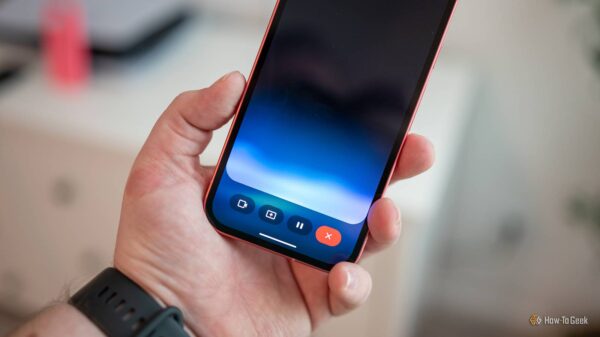








































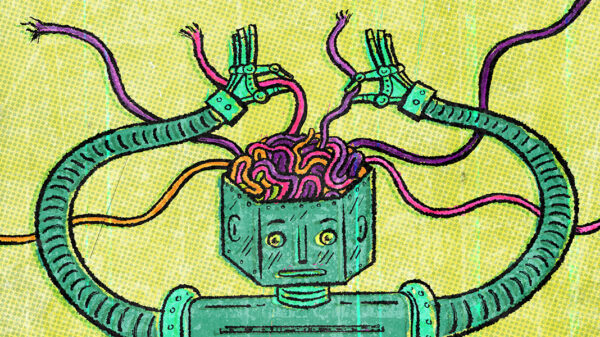





Artificial intelligence (AI) is increasingly woven into the fabric of everyday technology, particularly in smartphones, yet many users remain unaware of its prevalence. A recent survey conducted by Talker Research revealed that while 90% of Americans utilize AI features on their phones, only 38% recognize that they are doing so. This disconnect underscores the subtler applications of AI integrated into mobile devices long before the advent of generative AI and chatbots.
Smartphones leverage AI for a host of critical functions, often operating in the background. According to Samsung, features like adaptive battery settings, weather alerts, call screening, and auto brightness are examples of AI in action that many users might take for granted. However, the distinction between these features and more conspicuous AI tools, such as generative AI applications, is significant. The AI functions on smartphones generally aim to improve user experience without demanding conscious attention from the user.
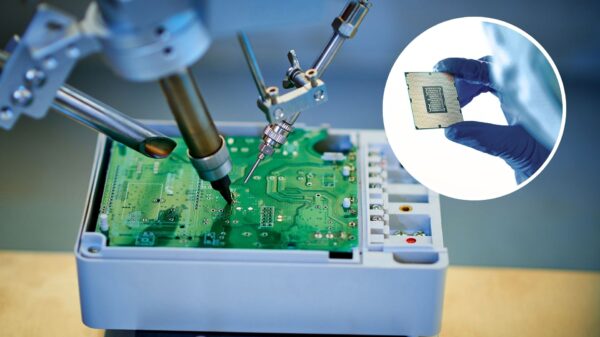
Modern smartphones are designed with dedicated hardware to enhance AI processing, specifically utilizing a Neural Processing Unit (NPU). This specialized chip efficiently performs complex calculations that enable features like voice recognition and gesture control while conserving battery life. While some of the more heavily advertised AI features, such as Google Photos’ Magic Editor, may still rely on cloud processing due to computational demands, the NPU significantly enhances on-device AI capabilities.
Smartphone cameras also benefit from AI technology, employing computational photography to bridge the gap between professional-grade DSLRs and mobile devices. Given their size limitations, smartphone cameras cannot fully replicate the performance of larger cameras. Instead, AI assists in optimizing exposure, reducing motion blur, and enhancing color accuracy in real-time. This functionality allows users to capture high-quality images without requiring extensive knowledge of photography, as the adjustments are seamlessly integrated during the shooting process.
Despite the many advantages presented by AI, public perception remains mixed. A Pew Research Center study reported that 50% of Americans express skepticism about AI’s impact on daily life. Concerns about the implications of AI on relationships, creativity, and employment have contributed to this wariness. Interestingly, younger adults tend to show greater awareness and engagement with AI technologies compared to their older counterparts, reflecting an age-related divide in acceptance and understanding of AI’s role in society.
Responses to AI in technology often vary based on individual comfort levels regarding privacy and necessity. While many are unaware of the AI functionalities embedded within everyday applications such as autocorrect or predictive text, acceptance of AI features fluctuates. Users frequently voice concerns over privacy invasions or express skepticism about the need for certain AI capabilities, particularly those that significantly alter their daily routines or job environments. Thus, opinions on AI’s integration into smartphones and other devices are nuanced and dependent on various contextual factors.
Looking ahead, as the discourse around AI continues to evolve, so too will the landscape of consumer technology. Companies will need to navigate the complex interplay of user concerns, technological advancement, and ethical considerations as they push for more integrated AI solutions. The challenge lies not only in enhancing smartphone capabilities but also in addressing the concerns and perceptions of a discerning public, fostering a more informed dialogue about the role of AI in modern life.
See also Sam Altman Praises ChatGPT for Improved Em Dash Handling
 AI Country Song Fails to Top Billboard Chart Amid Viral Buzz
 GPT-5.1 and Claude 4.5 Sonnet Personality Showdown: A Comprehensive Test
 Rethink Your Presentations with OnlyOffice: A Free PowerPoint Alternative
 OpenAI Enhances ChatGPT with Em-Dash Personalization Feature