




















































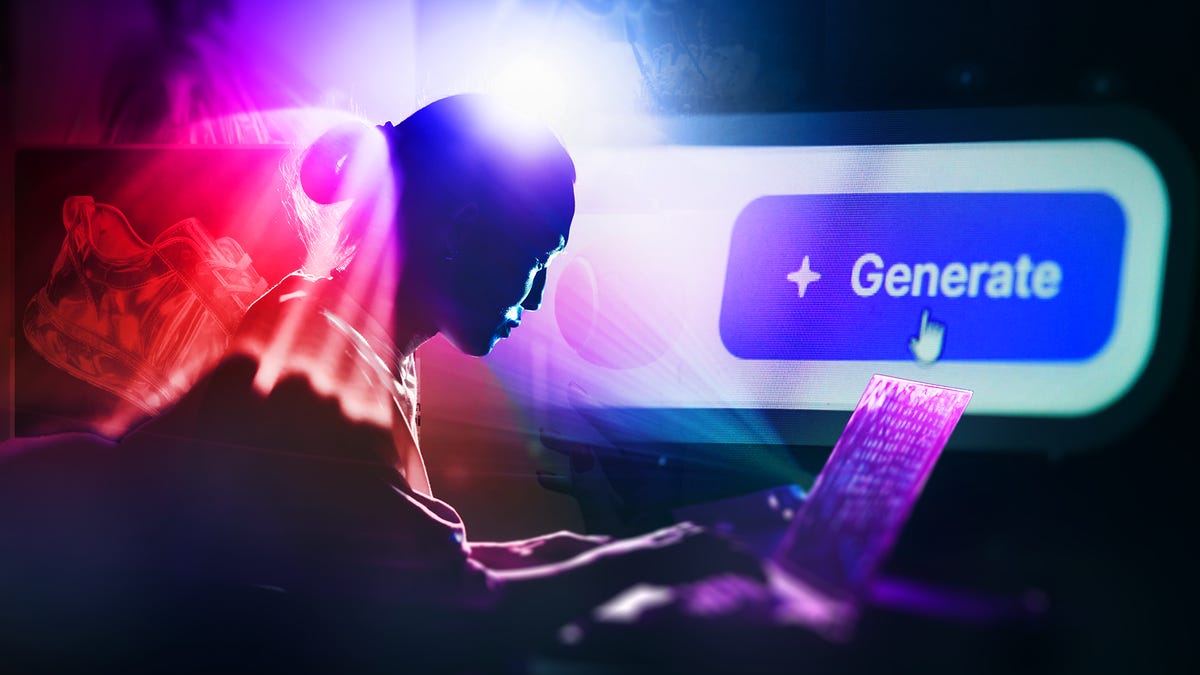
A contentious debate surrounding the nature of AI-generated content has gained traction in 2025, with many, including critics and artists, asserting that such creations cannot rightfully be classified as art. As AI technologies advance at an unprecedented pace, the distinction between human artistry and machine-generated outputs has become increasingly blurred, prompting questions about the future of creativity itself.
This year has witnessed a dramatic evolution in AI video capabilities, transitioning from rudimentary, error-prone outputs to sophisticated clips that can closely mimic real-life footage. Notably, models like Veo 3 and Sora have showcased significant technical advancement, leading critics such as one anonymous observer to label AI-generated video as “the best AI video model” tested to date. However, alongside this progress, there is a palpable unease regarding the implications of such technology, especially regarding personal privacy and artistic integrity.
Concerns over the ethical deployment of generative AI have been echoed by prominent industry figures. Major entertainment companies, including **Disney** and **Warner Bros.**, have filed lawsuits against **Google** and **Midjourney**, decrying the latter as “a bottomless pit of plagiarism.” Similarly, **Anthropic** reached a $1.5 billion settlement with authors who accused it of copyright infringement. As demands for responsible AI usage rise, so too do worries about its environmental impact, with companies racing to build extensive data centers across the United States, despite local community pushback.
The rhetoric surrounding generative AI has intensified, as tech giants claim to be “democratizing creation.” However, critics argue that this narrative belies a troubling reality. With generative AI infiltrating our online experiences at an alarming rate, the consensus among many creators is that nothing produced by AI can be considered art. As the year unfolds, the urgency of distinguishing between AI-generated content and genuine human art appears ever more critical.
Fundamentally, AI-generated content operates as a mimicry of human creativity. These systems are designed using vast collections of human-generated data, which include photographs, designs, and social media content. The breadth of a model’s training data directly correlates with its creative output capabilities. For instance, queries directed at **ChatGPT** to generate images in the style of **Studio Ghibli** demonstrate the model’s understanding of specific artistic styles, yet raise concerns regarding originality and authenticity.
Nora Garrett, a film writer and former data trainer at **Meta AI**, encapsulated this sentiment by stating, “AI is sold to us like it’s the future, but it’s a regurgitation of our collective past, remarketed as the future.” Garrett emphasizes the importance of retaining the human element within creative endeavors, arguing that the speed and efficiency promised by AI are fundamentally incompatible with the complexities of human emotion and artistry.
Even as AI tools become more prevalent in various sectors, the outputs often fall short of artistic merit. The proliferation of low-quality, superficial content—coined “AI slop”—has led to a saturated online landscape, where genuine artistry struggles to be heard. As noted by another commentator, the rise of creative AI has exacerbated an already challenging digital environment, transforming social media into what some describe as an “antisocial wasteland.”
With tech companies increasingly prioritizing generative image and video capabilities, the focus on innovation has overshadowed the need for ethical considerations. While efforts have been made to curb the distribution of problematic AI-generated content, these measures often fail to keep pace with the technology’s rapid development. The efficacy of AI detection technologies remains limited, further complicating the issue.
In order to combat the normalization of AI-generated content, a cultural shift in perception is necessary. It is crucial to diminish the allure of generative AI and foster a greater appreciation for human creativity. As the backlash against AI-generated advertising campaigns from companies like **McDonald’s** and **Coca-Cola** illustrates, consumers are increasingly discerning when it comes to artistic authenticity. The movement towards emphasizing human-centric work is gaining momentum, as artists and creators advocate for their labor to be recognized and valued.
As we look ahead to 2026, it is imperative that we collectively challenge the notion that AI-generated content can be equated with human artistry. The call for a more thoughtful application of AI in creative endeavors is urgent, as we strive to ensure that the unique qualities of human expression are not overshadowed by algorithmic mimicry. The conversation around AI and its role in creativity is far from over, and the path forward demands a careful reevaluation of our relationship with technology.
See also iMini AI Launches Precise Edit Feature, Transforming AI Image Generation for All Users
 AI Video Generation Evolves: Image-First Workflows Enhance Creative Control and Quality
 Legal Teams Embrace GenAI Upskilling to Drive Innovation and Boost Productivity
 Researchers Benchmark 19 Multimodal Models for Open-Vocabulary Emotion Recognition
 AI Models Accelerate Drug Discovery by Generating Novel Hit-Like Compounds