


































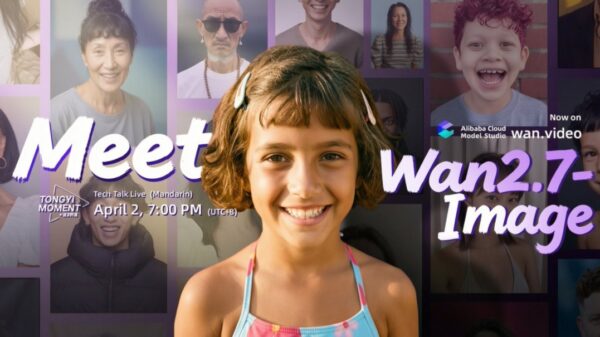

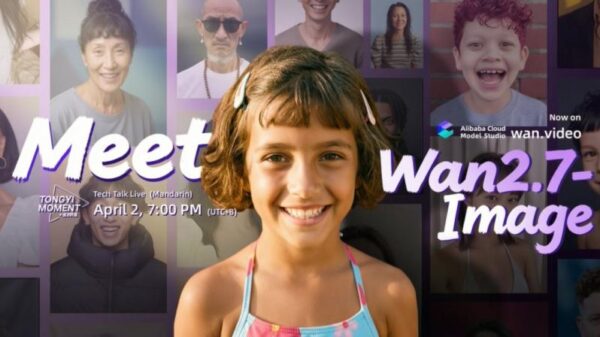


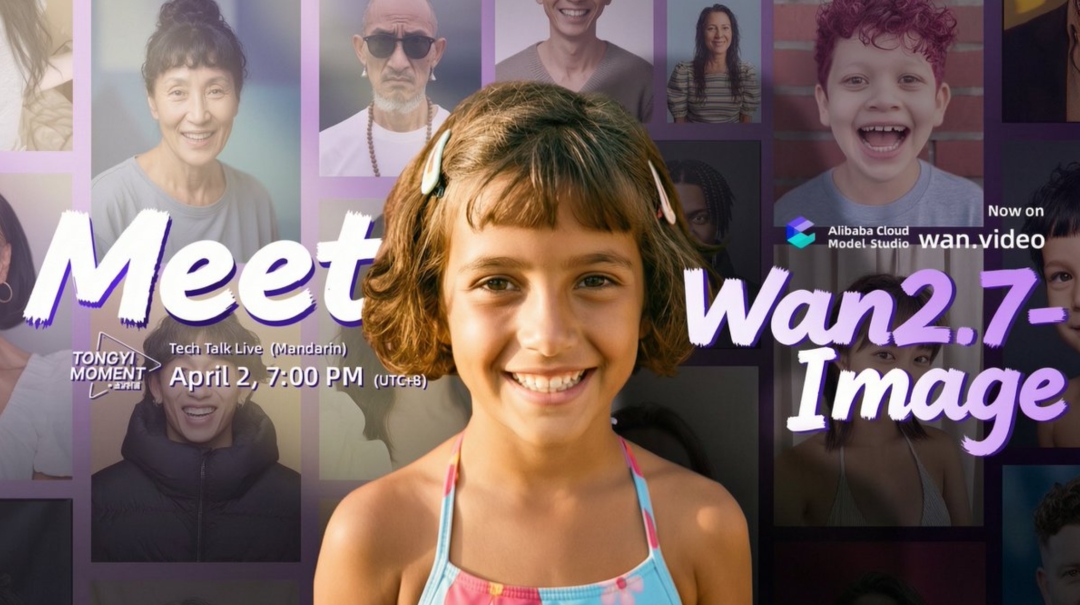
Alibaba Group’s Tongyi Lab has unveiled Wan 2.7, marking the latest and most advanced upgrade to its flagship AI image and video generation platform, Wan (Wanxiang). The launch, which took place recently, introduces what the company describes as a groundbreaking “Thinking Mode” that enhances the model’s ability to understand prompts and logically plan compositions, resulting in higher coherence and professional-grade outputs.
With this release, Alibaba aims to set a new benchmark in AI-driven content creation, making significant strides in hyper-realistic character consistency and precise color control. Wan 2.7 is designed for a variety of professional applications, catering to advertisers, filmmakers, designers, and other content creators seeking high-quality media production.
The “Thinking Mode” technology is a central feature of Wan 2.7, allowing the AI to deeply analyze input prompts before generating images or videos. This process not only increases accuracy but also reduces common artifacts typically associated with AI-generated media. As a result, users can expect an unprecedented level of quality in their creative outputs.
Among the standout features of Wan 2.7 is its “Thousand-Face Realism.” This capability offers unmatched control over facial structures, eye details, and distinctive features, effectively overcoming the “AI same-face” phenomenon that has plagued previous models. Moreover, the platform supports HEX codes and color palettes, ensuring that visuals align closely with specific brand guidelines.
Wan 2.7 also boasts industry-leading text rendering, capable of handling over 3,000 tokens. This feature allows for the accurate representation of long texts, tables, and formulas across twelve languages, ensuring clarity and precision in communication. Another notable inclusion is advanced multi-reference editing, which enables users to incorporate up to nine reference images, allowing for pixel-level local editing and group image generation.
The platform further expands its capabilities with a comprehensive video suite that includes text-to-video and image-to-video functionalities. Users can expect intelligent video editing features, including first and last frame locking, superior motion consistency, and native audio synchronization. These enhancements make Wan 2.7 a versatile tool for a wide range of creative projects.
“Wan 2.7 marks a major leap forward in controllable generative AI,” said a spokesperson from Tongyi Lab. “We are delivering tools that combine creative freedom with precise control like never before.” This statement underscores Alibaba’s commitment to innovation in the field of artificial intelligence and its implications for various industries.
For those eager to explore these new capabilities, Wan 2.7 is already accessible through the dedicated AI platform. Users can quickly navigate to specific tools designed for image and video generation, ensuring that they can harness the full potential of this advanced technology.
As the market for AI-generated content continues to expand, Alibaba’s Wan 2.7 is well-positioned to meet the rising demand for high-quality and versatile media solutions. The integration of advanced features aimed at enhancing user experience and creative output demonstrates the company’s strategy to lead in a rapidly evolving technological landscape.
The introduction of Wan 2.7 not only exemplifies Alibaba’s ongoing investments in AI research and development, but it also highlights broader trends in the industry where the lines between human artistry and machine-generated content are increasingly blurred. As more creators and businesses adopt such technologies, the implications for the future of content creation and the nature of creativity itself will be profound.
See also Sam Altman Praises ChatGPT for Improved Em Dash Handling
 AI Country Song Fails to Top Billboard Chart Amid Viral Buzz
 GPT-5.1 and Claude 4.5 Sonnet Personality Showdown: A Comprehensive Test
 Rethink Your Presentations with OnlyOffice: A Free PowerPoint Alternative
 OpenAI Enhances ChatGPT with Em-Dash Personalization Feature