



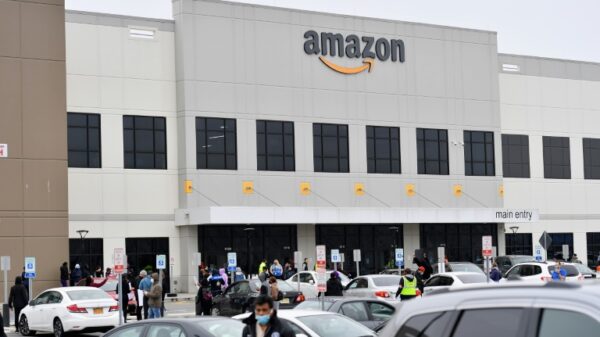
















































Amazon is reassessing its approach to AI-assisted development tools following several significant outages that disrupted key components of its retail website. Reports indicate the company experienced four major service disruptions within a single week, one of which lasted approximately six hours, preventing customers from accessing crucial functions like product pricing, account information, and checkout.
The outages have triggered internal discussions about the potential role of generative artificial intelligence in contributing to these problems. The incidents were reportedly reviewed during a routine operations meeting led by Dave Treadwell, senior vice president of ecommerce foundation at Amazon. Internal documents suggested that changes made using AI-assisted development tools had been flagged as a potential factor in a broader pattern of outages that began in the third quarter.
However, Amazon has since contested this interpretation. In a public statement, the company clarified that only one outage was linked to AI tools and emphasized that none of the service disruptions resulted from code generated by artificial intelligence. Instead, the issue arose when an engineer acted on inaccurate advice provided by an AI system, which had sourced information from outdated internal documentation, resulting in erroneous guidance.
A company spokesperson reiterated that the disruption was not due to software written by AI, but rather to an engineer following outdated advice. Additionally, Amazon stressed that the meeting to review the outages was part of its normal operational review process rather than a special investigation triggered by the incidents.
Despite disputing the notion that AI-generated code was responsible for the disruptions, Amazon acknowledged that its internal controls for the use of generative AI tools are still evolving. Internal communications suggest that the company may implement additional verification steps when developers deploy changes assisted by AI. These safeguards, referred to internally as “controlled friction,” would introduce extra review layers before updates are applied to critical aspects of the platform.
These systems encompass some of the most sensitive elements of Amazon’s online retail operations, including the infrastructure that manages product pricing, customer accounts, and checkout services. The ongoing discussion about development practices comes at a time when Amazon is significantly increasing its investment in artificial intelligence technology. The company is projected to spend around A$307 billion on capital investments this year, focusing on expanding its AI infrastructure and data center capabilities.
Simultaneously, Amazon has been restructuring portions of its workforce, cutting roughly 14,000 positions in October and announcing an additional 16,000 layoffs in January. These reductions follow earlier job cuts of more than 27,000 employees across 2022 and 2023. Chief executive Andy Jassy has previously indicated that advancements in productivity driven by artificial intelligence could eventually enable the company to operate with a leaner workforce.
The recent outages underscore the challenges large technology companies face as they adopt new AI-assisted development tools while striving to maintain the reliability of systems that serve millions of daily users. As Amazon navigates this complex landscape, the balance between innovation and operational stability remains a critical focus.
See also Sam Altman Praises ChatGPT for Improved Em Dash Handling
 AI Country Song Fails to Top Billboard Chart Amid Viral Buzz
 GPT-5.1 and Claude 4.5 Sonnet Personality Showdown: A Comprehensive Test
 Rethink Your Presentations with OnlyOffice: A Free PowerPoint Alternative
 OpenAI Enhances ChatGPT with Em-Dash Personalization Feature