











































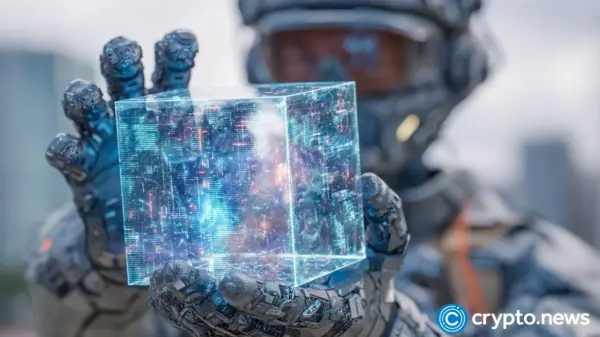





As demand for more expressive digital imagery grows, users are increasingly seeking AI image generators with fewer content restrictions. Popular platforms such as ChatGPT, Claude, and Gemini often employ strict safeguards that limit creative output, especially regarding adult themes, graphic violence, or sensitive imagery. This has led many to explore what are often termed “unrestricted AI image generators,” reflecting genuine artistic and educational needs rather than a desire for misuse.
Artists, educators, and content creators require tools that can accommodate sensitive subjects, such as political ideologies, historical events, and educational contexts. Heavily filtered generators may not fulfill these requirements, prompting users to seek alternatives that offer greater creative freedom. However, opinions on what constitutes the “best” unrestricted AI tool vary widely, dependent on individual user needs that encompass creative control, privacy, and technical capabilities.
Moreover, users often express frustration with the over-filtering found in mainstream AI tools. Many legitimate artistic works, like figure drawings or mature illustrations fit for specific platforms, can be arbitrarily denied by these systems. As a result, creators are left searching for less-restricted alternatives that still respect legal boundaries and ethical standards.
The landscape of AI image generators is complex, with terms like “unfiltered,” “uncensored,” and “restricted” lacking clear definitions. Most commercial tools operate with multiple layers of content filtering, which can include pre-emptive analysis of prompts and post-generation scanning of outputs. Tools described as “unfiltered” might lack some of these checks, but this does not equate to a free-for-all environment. Users must remain accountable for the content they create, regardless of the platform’s moderation policies.
While some users are focused on achieving maximum creative control, others prioritize privacy, local deployment, and transparent data practices. For those interested in running AI models on personal hardware, the motivations often include technical exploration and cost-effectiveness. In contrast, individuals seeking clarity in their options may find the current market muddled, with varying interpretations of what “unrestricted” truly means.
Several AI image generation tools are often highlighted in discussions about less-restricted options. Among these, Mage.Space has gained attention for its user-friendly design built on Stable Diffusion technology, allowing for minimal barriers to entry while offering a wider scope of creative freedom. However, to utilize adult or unrestricted prompts, users must log in and purchase a plan, as its free tier has limitations.
Similarly, HeraHaven focuses on virtual companionship, combining conversational AI with image generation to create customizable digital characters for adult users. This platform is designed for those seeking personalized interactions, featuring deep character customization and adaptive learning capabilities that improve user engagement over time.
For users prioritizing privacy, Perchance.org stands out as a fully open-source platform, generating images directly in the browser with no account creation required. This approach ensures that user prompts and outputs remain private, thereby providing an unparalleled level of discretion compared to cloud-dependent services.
Tools such as Nastia AI and Flat AI Image Generator offer various features aimed at users looking for unrestricted dialogue and creative outputs. The former allows for multi-modal communication and extensive customization of AI companions, while the latter prioritizes user privacy with no sign-up requirements and a robust creative toolkit.
For more technically inclined users, platforms like AUTOMATIC1111 and ComfyUI provide greater control over the image generation process by permitting local setups. These systems enable users to navigate various functionalities and configurations while maintaining complete ownership of their generated content.
As the conversation around AI image generation evolves, the key takeaway remains that navigating this landscape requires careful consideration of individual needs and ethical responsibilities. Users are encouraged to make informed choices that align with both their creative ambitions and their commitment to responsible content creation.
Ultimately, the quest for less-restricted AI image generators highlights a broader cultural dialogue about the balance between creative freedom and ethical boundaries. As technology continues to advance, finding a tool that appropriately meets the user’s artistic goals while adhering to legal standards is crucial for the sustainable development of AI-generated content.
See also ROSOrin Launches Versatile Multimodal Platform for Advanced Robotics Education and AI Integration
 Google Reveals AI Chatbots Struggle with Accuracy, Gemini 3 Pro at 68.8%
 Apple Unveils DarkDiff AI Model to Enhance Low-Light Photography, Boosting Details and Reducing Noise
 Top NSFW AI Art Generators Tested: My Dream Companion Outperforms Competitors After 2 Weeks