
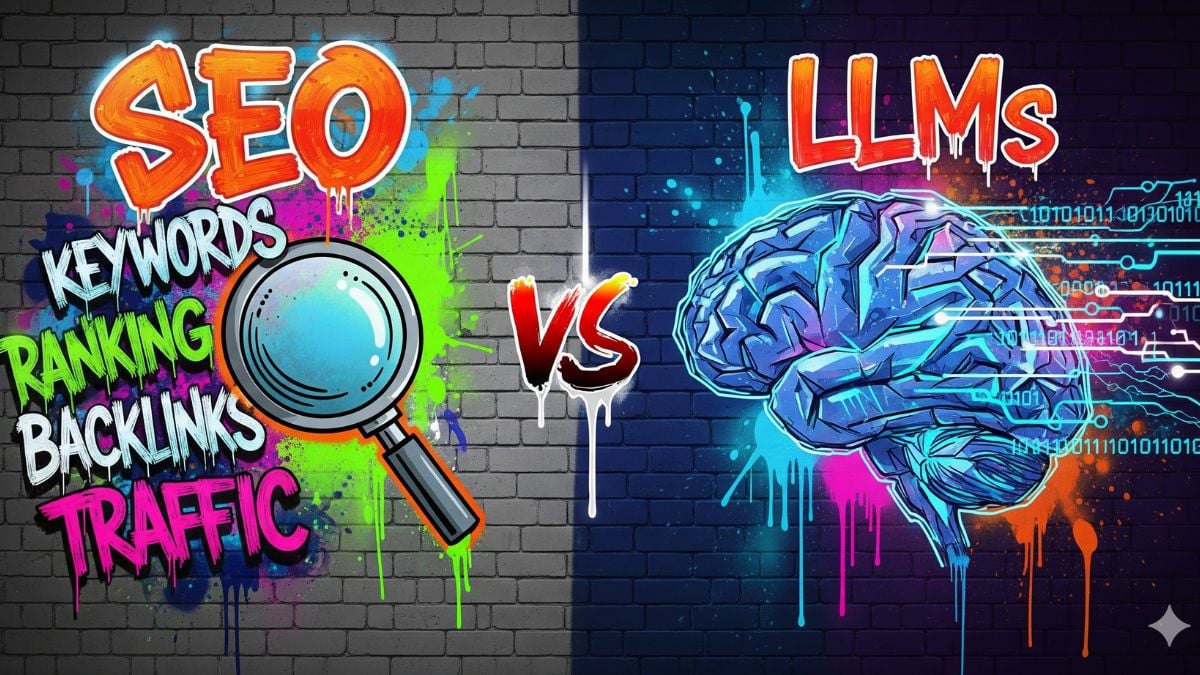
The landscape of consumer product discovery is evolving dramatically, driven by the rise of language model-powered engines such as Copilot, ChatGPT, and Gemini. As these artificial intelligence systems gain prominence, traditional search results are no longer the sole factor influencing purchase decisions; instead, users are increasingly reliant on AI-generated responses. Retailers now face the challenge of deciphering what these AI engines prioritize when recommending products, as highlighted in Microsoft Advertising’s guide, “From Discovery to Influence: A Guide to AEO and GEO.”
AI engines diverge significantly from conventional search engines. They do not merely curate lists of links; rather, they engage in a reasoning phase, analyzing numerous variables prior to generating recommendations. This sophisticated process combines several elements, including crawled web data—reflecting a brand’s reputation and positioning—structured product feeds detailing price and availability, and real-time website data, which encompasses user reviews, promotions, and delivery times. The outcome is a curated selection that not only identifies products but also evaluates and justifies them for users.
Microsoft distinguishes three primary categories of signals that impact product visibility in AI recommendations. The first, relevance signals, assess the alignment between user intent and product content, the use of natural language that responds to actual queries, and contextual factors, such as suitability for specific activities or environments. Commercial signals, the second category, focus on competitive pricing, inventory availability, and current promotions. Lastly, freshness signals consider real-time data updates, consistency between product feeds and website information, and the validity of offers and stock, thus ensuring that outdated or irrelevant products are excluded from recommendations.
To be effectively showcased by AI, brands must prioritize maintaining structured, clear, and consistent data. The guide emphasizes implementing schema markup for elements like Product, Offer, Review, FAQ, and Brand. Retailers should also organize categories using ItemList, synchronize prices and inventory in real time, and include crucial attributes such as SKU, GTIN, color, size, and dateModified. By adhering to these best practices, retailers enable AI engines to comprehend not only what is being sold but also how a product meets specific consumer needs.
Trustworthiness and content quality significantly influence AI recommendations. The algorithms favor verifiable content over unreliable information, prioritizing verified reviews that reflect a sufficient volume, positive sentiment expressed in natural language, and endorsements from certifications and media mentions. These trust signals enrich AI-generated recommendations, allowing them to articulate insights like “highly rated for its comfort” or “recommended by experts.”
While content remains a cornerstone of product visibility, the approach has shifted markedly. The emphasis is no longer solely on keywords; instead, clarity and contextual relevance are paramount. Microsoft advises retailers to focus on crafting product descriptions that highlight benefits from the outset, presenting specifications in a structured format, offering product comparisons, and including FAQ sections. This strategy empowers AI to effectively “read” content and incorporate it into its recommendations.
Retailers must also avoid pitfalls that could diminish product visibility. Common mistakes include outdated or inconsistent data, lack of catalog structure, absence of trust signals like reviews, and exaggerated or unverifiable claims. In an increasingly competitive environment where AI limits options, these errors can entirely eliminate a product from potential recommendations.
The integration of language models is fundamentally altering the ecommerce landscape. It is no longer sufficient for brands to attract traffic; they must now persuade AI systems that their offerings are optimal choices. This shift necessitates a strategic transformation in retail, moving from a focus on clicks to recommendations and from promotional content to verifiable information. According to Microsoft, while retailers likely have access to the necessary data, they must evolve their practices to structure and enrich this information to maintain relevance in an AI-driven marketplace.
See also Tencent’s AIM+ Automates Ad Campaigns, Boosting Click-Through Rates by 200%
 MADX Digital Achieves 2,537% SEO Growth for SaaS Clients Ahead of 2026
 AI Marketing Revolution: Small Businesses Boost Engagement with 30 New Micro-Segments
 Morning AI Launches Marketing Platform to Empower Challenger CPG Brands Against Giants