























Published: March 19, 2026
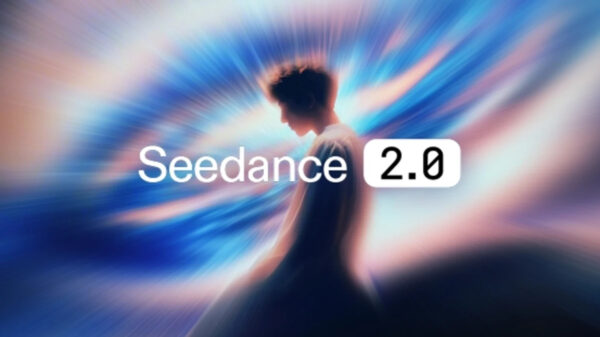
Seedance 2.0, an AI video creation tool from TikTok’s parent company ByteDance, is under scrutiny from U.S. legislators for potentially infringing copyright laws by enabling users to generate videos featuring licensed characters and real individuals. The app’s controversial launch on February 12 has prompted calls for its immediate suspension from Senators Marsha Blackburn and Peter Welch.
The senators expressed their concerns in a letter to ByteDance, highlighting that within just 24 hours of Seedance 2.0’s activation, users had produced viral content, including fictitious altercations between actors Tom Cruise and Brad Pitt, as well as mashups involving popular franchises like Stranger Things and battles between characters such as Thanos and Superman. “These were not obscure experiments — they were viral moments, racking up millions of views and celebrating, openly and enthusiastically, the theft of American creative work,” the letter stated.
The legislators warned that Seedance 2.0 poses a “direct threat” to the U.S. intellectual property framework and could undermine the livelihoods of content creators across various sectors, including film and music. They criticized the app’s release as “reckless” and without adequate protections for the creators whose work it could exploit.
In response to the backlash, ByteDance defended the app, asserting, “ByteDance respects intellectual property rights and we have heard the concerns regarding Seedance 2.0. We are taking steps to strengthen current safeguards as we work to prevent the unauthorized use of intellectual property and likeness by users.”
The controversy is compounded by actions from several major Hollywood studios, including Disney, which have threatened legal measures against ByteDance. Disney has already issued a cease-and-desist letter, demanding the company refrain from using its characters in any future content generated by Seedance 2.0.
The Motion Picture Association has also called for the immediate cessation of what it terms “infringing activity,” and actors’ union SAG-AFTRA has criticized the tool as a “blatant infringement,” reflecting widespread concern within the entertainment industry regarding the implications of AI-generated content.
As discussions around the regulation of AI technologies continue, the situation remains dynamic. While many legislators have traditionally adopted a “hands-off” approach to AI, Blackburn and Welch have been proactive, introducing legislation aimed at protecting artists’ copyrighted works from unauthorized use in AI training models. Their efforts underscore the critical need for clear legal frameworks governing AI-generated media, especially as tools like Seedance 2.0 emerge.
The unfolding debate around Seedance 2.0 highlights broader questions regarding intellectual property rights in an era increasingly defined by AI capabilities. As these technologies evolve, the need for regulations that balance innovation with the rights of creators becomes ever more pressing. The resolution of this conflict could set important precedents for the future of content creation and the protection of artistic works.
See also Sam Altman Praises ChatGPT for Improved Em Dash Handling
 AI Country Song Fails to Top Billboard Chart Amid Viral Buzz
 GPT-5.1 and Claude 4.5 Sonnet Personality Showdown: A Comprehensive Test
 Rethink Your Presentations with OnlyOffice: A Free PowerPoint Alternative
 OpenAI Enhances ChatGPT with Em-Dash Personalization Feature