















































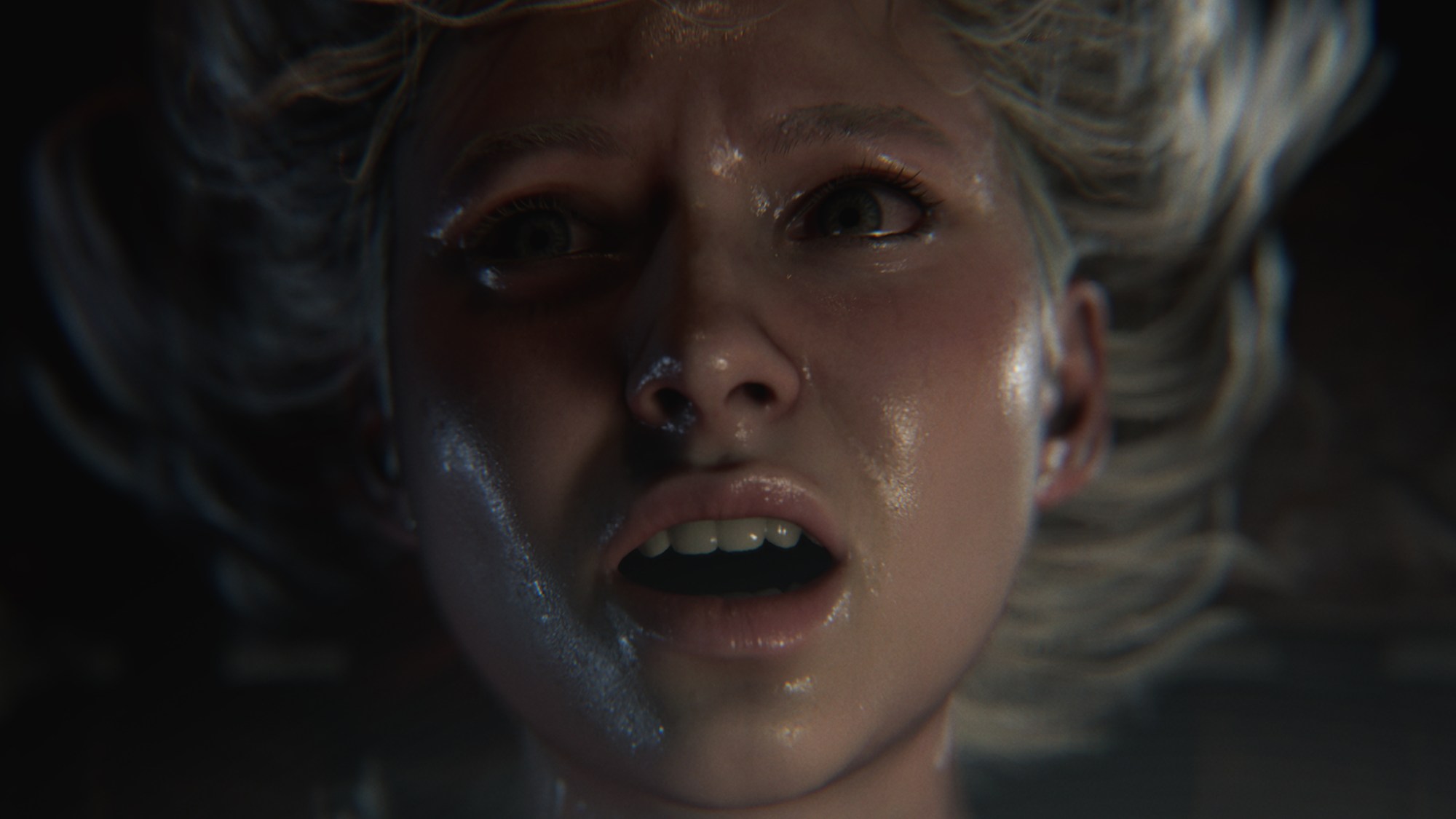
The rise of generative AI has sparked a contentious debate within the gaming industry, with companies like Capcom navigating a complex landscape of technological promise and consumer skepticism. Recently, Capcom found itself at the center of this discussion, particularly following the release of their title, Resident Evil Requiem, which showcased the company’s use of AI-powered upscaling technology. While some executives express enthusiasm for the potential applications of AI, the broader gaming community remains largely apprehensive, leading to a delicate balancing act for major developers.
In a recent shareholder meeting, Capcom executives made a significant statement regarding the integration of AI in their games. They declared, “Our company will not be implementing any AI-generated assets into our video game content.” This announcement is a reassuring sign for consumers wary of AI’s encroachment into game development. However, the company also emphasized its intent to “actively utilize” AI technologies during the developmental processes, indicating that while generative AI will not be used in final game products, it may still play a role in areas such as sound design and graphics.
This dual approach has the potential to mitigate backlash, yet it also raises questions about the integrity of their titles. The gaming community has reacted strongly against AI applications, as evidenced by the backlash surrounding NVIDIA’s AI-powered DLSS 5, which was demonstrated on Resident Evil Requiem. Players lamented the alterations made to characters, claiming they detracted from the original artistic vision. Developers like Capcom must tread carefully, as the acceptance of AI-generated elements remains tenuous among gamers, many of whom view such technologies as a threat to creative authenticity.
Capcom’s decision to publicly distance itself from generative AI in its released games comes amidst growing scrutiny of the technology’s impact on the industry. The company’s commitment to ensuring that no AI-generated material reaches players signals an understanding of current consumer sentiment. However, the simultaneous acknowledgment of AI’s utility in development highlights a potential conflict that could arise should AI assets inadvertently slip into final products. This concern echoes the experiences of other developers; for instance, Pearl Abyss has faced criticism for including AI-generated art in their game Crimson Desert, while the discovery of AI assets in Clain Obscur: Expedition 33 tarnished its reputation after critical acclaim.
As the gaming market evolves, the challenge remains for companies like Capcom to harness AI responsibly while maintaining transparency with their consumer base. There are arguments supporting the idea that generative AI can serve as a useful tool during the conceptual stages of game development, allowing teams to explore creative avenues before refining them into original works. However, the recent controversies have underscored a palpable resistance from gamers to the deployment of AI in any capacity that could affect their gaming experience.
In this climate, Capcom’s insistence on excluding generative AI from its final products is a bold statement, especially given the company’s stature and influence in the gaming industry. Nevertheless, this commitment does not entirely shield the company from the risks associated with AI technologies. As other publishers have warned, the discovery of AI-generated content post-release can lead to significant reputational damage. Capcom must remain vigilant; any oversight that results in the incorporation of AI elements could undermine their hard-earned credibility, further complicating the already fraught relationship between developers and their audiences.
Looking ahead, the balance between innovation and consumer trust will be pivotal for Capcom and the broader gaming industry as they explore the implications of AI technologies. As developers continue to navigate this landscape, the key challenge will be to ensure that technological advancements do not compromise the artistry and originality that define gaming experiences. The future of gaming may well hinge on how adeptly companies can address these concerns while leveraging new tools to enhance their offerings.
See also Sam Altman Praises ChatGPT for Improved Em Dash Handling
 AI Country Song Fails to Top Billboard Chart Amid Viral Buzz
 GPT-5.1 and Claude 4.5 Sonnet Personality Showdown: A Comprehensive Test
 Rethink Your Presentations with OnlyOffice: A Free PowerPoint Alternative
 OpenAI Enhances ChatGPT with Em-Dash Personalization Feature