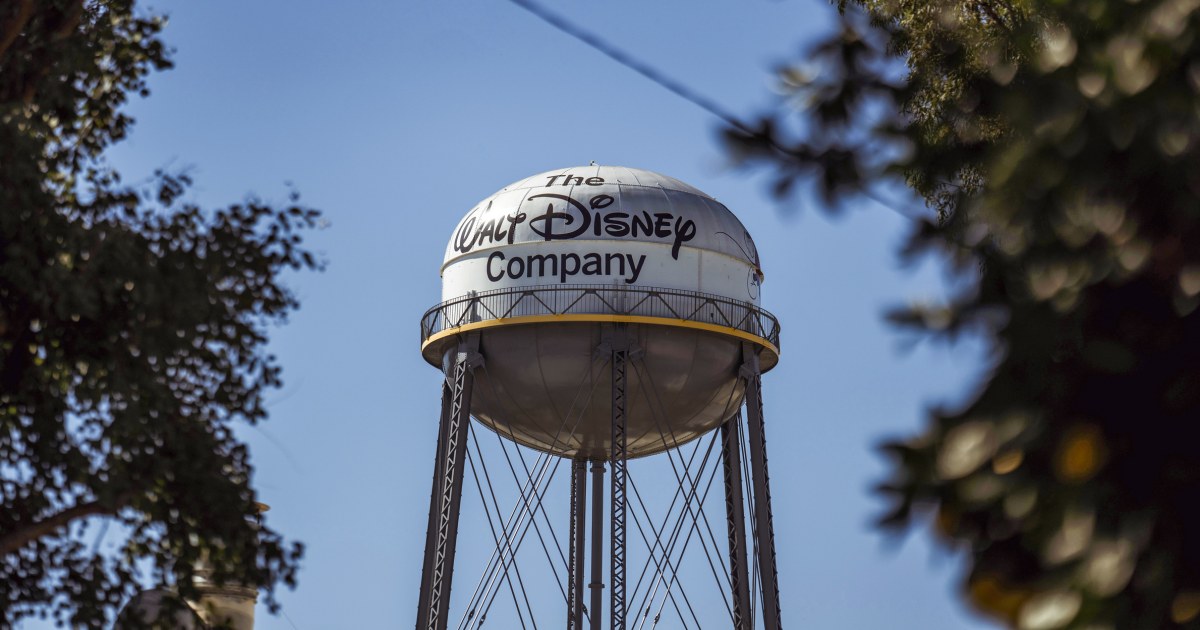
The Walt Disney Co. announced on Thursday that it has entered a three-year agreement with OpenAI to integrate its beloved characters into the Sora artificial intelligence video generator. This collaboration marks a significant step for Disney, which will also invest $1 billion in OpenAI, the parent company of ChatGPT, further solidifying its role as a “major customer” of OpenAI’s services for new product development and experiences, particularly for its Disney+ streaming service.
Both companies emphasized their commitment to the responsible use of AI, with a strong focus on user safety and the rights of creators. However, specific details regarding the agreement were not disclosed, and Disney CEO Bob Iger along with OpenAI CEO Sam Altman refrained from elaborating during a joint interview on CNBC.
OpenAI stated its commitment to implementing responsible measures to enhance trust and safety, including developing age-appropriate policies, although it did not provide further specifics on what this would entail. This initiative comes at a time when the engagement of AI chatbots with users under 18 has sparked national conversations and prompted several lawsuits.
The deal includes a host of iconic Disney characters, such as Mickey Mouse, Minnie Mouse, Ariel, and Simba, among others from popular franchises like “Encanto,” “Frozen,” and “Toy Story.” On CNBC, Iger described the agreement as an entry point for Disney into the realm of artificial intelligence.
This partnership is particularly noteworthy given Disney’s historical vigilance in protecting its intellectual property, which spans from vintage animated shorts to contemporary superhero franchises. Altman expressed confidence that Sora users would respond positively to the integration of Disney characters, although a specific launch date for the initiative has yet to be confirmed. Altman hinted at a possible launch in “early 2026.”
Iger remarked, “Bringing together Disney’s iconic stories and characters with OpenAI’s groundbreaking technology puts imagination and creativity directly into the hands of Disney fans in ways we’ve never seen before.” Following the announcement, Disney’s stock closed 2.4% higher.
The agreement has drawn attention amid growing concerns in Hollywood about the implications of generative AI. Media companies are grappling with how to protect their intellectual property while navigating this transformative technology, which currently operates within a vague legal framework. The partnership with OpenAI provides Disney with a legitimate avenue to deploy its characters through a generative AI program, rather than the more contentious approach of legal enforcement against unauthorized uses, which it has pursued in the past.
Simultaneously, Disney appears to be positioning itself against competitors like Google. Following the announcement of its agreement with OpenAI, Disney sent a cease-and-desist letter to Google, alleging widespread copyright infringement by Google’s AI services. Disney’s legal team noted that the company had previously raised concerns with Google but felt that no satisfactory actions had been taken in response.
On its Nov. 13 earnings call, Iger hinted at ongoing negotiations with AI firms, implying that these discussions were aimed at both protecting Disney’s intellectual property and exploring new consumer engagement opportunities. Yet, the deal has incited trepidation among Hollywood’s writers and producers, who are increasingly concerned about the capabilities of generative AI.
The Writers Guild of America criticized the agreement, claiming it “appears to sanction” the technology’s potential appropriation of creative work. The guild plans to meet with Disney representatives to clarify the deal’s terms, particularly regarding the use of content created by its members. The guild’s contract with major studios is set to expire in May, amid escalating apprehension regarding AI’s role in the industry.
The Screen Actors Guild also expressed intent to monitor the implementation of the deal, ensuring that it aligns with contracts protecting actors’ rights. Furthermore, the Animation Guild’s Executive Board raised concerns regarding its members, questioning how generative AI’s unpredictability might affect the integrity and legacy of Disney characters. The board urged clarity on how the contributions of animation workers would be treated under this new AI-powered system.
As Disney embarks on this collaboration with OpenAI, it is poised at a crossroads, striving to balance innovation with the protection of its rich legacy. The outcome of this partnership will not only shape Disney’s future in AI but may also influence broader industry standards in how media companies engage with generative technologies.
See also 5G Enhances Event Video Summarization Through Multimodal Analysis, Study Reveals
 OpenAI Launches GPT-5.2 with 70.9% Benchmark Score; Google Unveils Gemini Audio Upgrades
 CapCut Launches Advanced AI Image Generator for Instant Social Media Visuals
 Karen Hao: Generative AI Requires 100 Earths to Sustain, Echoing Colonial Exploitation
 OpenAI Launches GPT-5.2 Model, Boosting Performance in Reasoning and Coding