


































Google has unveiled its latest artificial intelligence image generation tool, dubbed Nano Banana Pro, amidst growing concerns regarding the realism of AI-generated images. The announcement comes as the technology industry grapples with the implications of AI advancements on various sectors. On November 26, 2025, NBC News correspondent Erin McLaughlin reported on the capabilities and potential pitfalls of the new software, which has drawn scrutiny from digital content experts and users alike.
The Nano Banana Pro aims to provide users with unprecedented tools for generating and editing images, but experts are warning that the technology could blur the line between reality and fabrication. During the report, McLaughlin conducted a live demonstration of the AI generator, showcasing its ability to produce high-quality images that appear almost indistinguishable from real photographs. This level of realism has sparked a debate about ethical considerations in content creation, especially in fields such as journalism and social media.
One content creator interviewed by McLaughlin emphasized the importance of educating audiences on how to discern genuine images from AI-generated ones. The rise of artificial intelligence in visual arts complicates the credibility of information shared online, raising concerns about misinformation and trust in digital media. As AI tools like the Nano Banana Pro become more integrated into creative processes, the need for critical media literacy is becoming increasingly paramount.
The launch of Nano Banana Pro is part of a broader trend in the technology sector, where companies are racing to develop advanced AI tools that cater to both consumers and professionals. As AI continues to evolve, so too do its applications in various industries, including entertainment, marketing, and healthcare. This rapid acceleration of technology has prompted calls for regulatory frameworks to ensure responsible use.
In a related development, former President Donald Trump recently signed an executive order launching the Genesis Mission AI project, aiming to bolster AI research and development within the United States. This initiative emphasizes the government’s commitment to fostering innovation in the tech space while also addressing concerns related to job displacement and ethical guidelines.
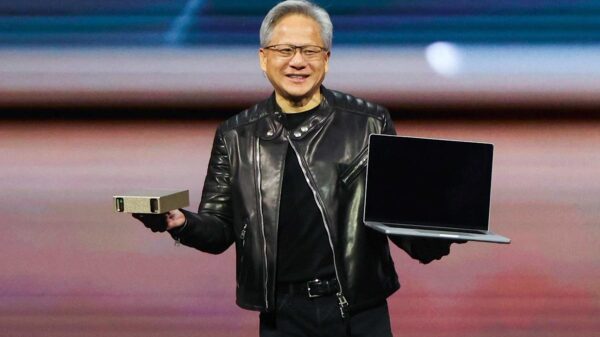
As part of this evolving landscape, other companies are also pushing the boundaries of AI technology. Nvidia, for instance, reported better-than-expected earnings, stirring discussions about a potential “AI bubble.” Experts are divided on whether the current surge in AI investment will yield sustainable growth or if it will lead to financial instability.
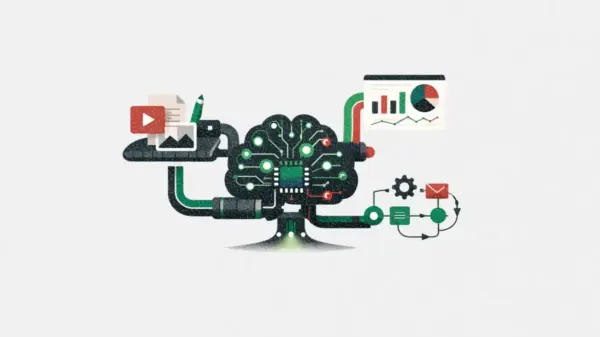
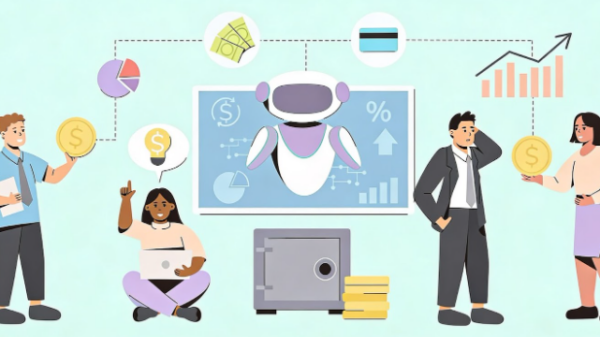
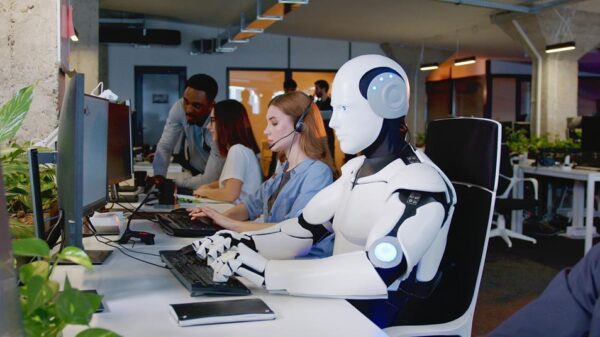
Meanwhile, new startups are emerging that seek to integrate AI with human work, indicating a shift towards collaborative technologies. One startup, for instance, is focused on enhancing productivity by merging human creativity with AI efficiency. This reflects a growing recognition of AI as a tool that can augment rather than replace human capabilities.
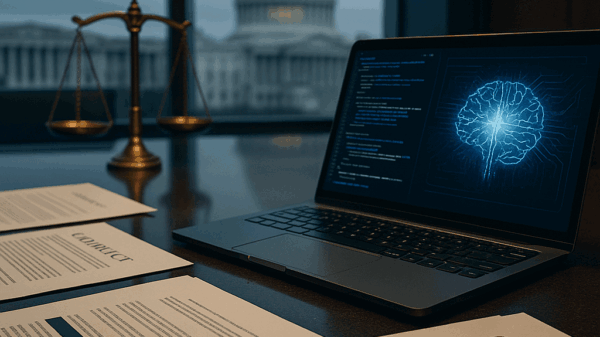
In the courtroom, AI is increasingly finding its place as generated evidence begins to be introduced in legal proceedings. This raises complex questions about authenticity and reliability in judicial matters, where the stakes are significantly higher. As more cases involve AI-generated evidence, legal systems will need to adapt to ensure fair trials.
As AI technologies like Google’s Nano Banana Pro reshape various facets of daily life, from healthcare to media, the conversation surrounding ethical implications, regulatory oversight, and public perception will only intensify. With significant societal impacts on the horizon, stakeholders across the spectrum—be it tech companies, lawmakers, or educators—will need to engage in a continuous dialogue to navigate the complexities of this rapidly changing landscape.
See also Ant Group Launches LingGuang AI Assistant, Surpassing 1M Downloads in Days
 BeMyEyes Launches Multi-Agent Framework, Surpassing GPT-4o in Multimodal Reasoning Tasks
 Johns Hopkins Researchers Unveil CWMDT for Superior Counterfactual Video Predictions
 Diffusion Transformers Enhance Mixed-Resolution Denoising with Phase-Aligned Attention
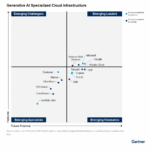 Alibaba Cloud Recognized as Emerging Leader in All Four Gartner Generative AI Quadrants