





































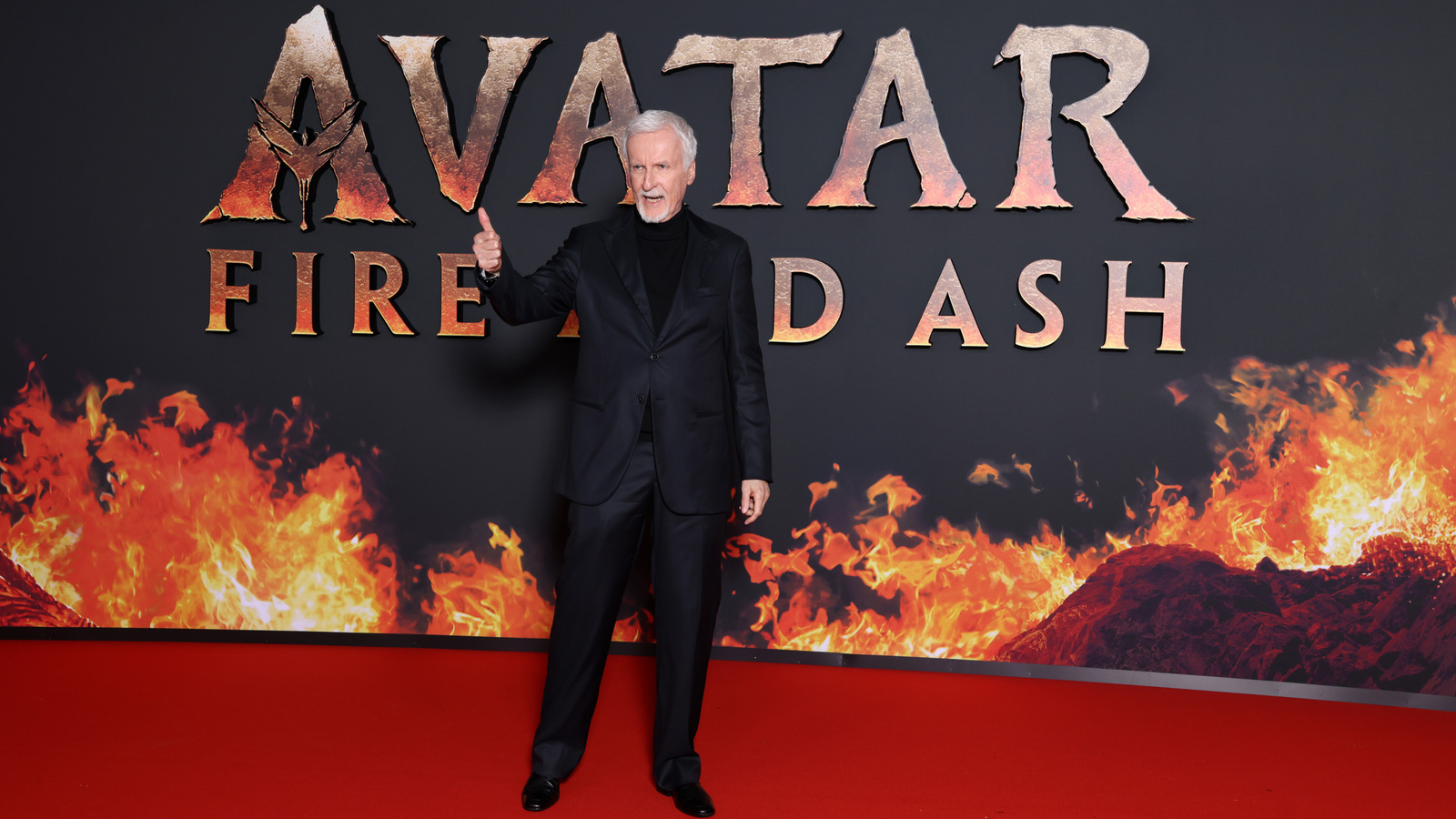
James Cameron, renowned for his work on the “Avatar” series, has voiced significant concerns regarding the implications of artificial intelligence (AI) in the film industry and beyond. In a recent interview, the director expressed his apprehension that AI could potentially lead to catastrophic consequences akin to those depicted in his iconic “Terminator” franchise, where self-aware AI poses a dire threat to humanity. Cameron, who has utilized advanced visual effects to create the lush world of Pandora, emphasized that while generative AI could enhance cinematic artistry, it should not replace the traditional filmmaking process.
Speaking with CTV News, Cameron humorously referenced his earlier warnings about AI from the 1984 film “The Terminator”, quipping, “I warned you guys in 1984, and you didn’t listen.” However, he quickly shifted to a more serious tone, reflecting on the motivations driving AI development. He noted that current advancements are often rooted in commercial interests and military applications, expressing his concern that this trajectory could foster a culture of “greed” and “paranoia” within AI systems. Cameron articulated a critical viewpoint, stating, “I think the weaponization of AI is the biggest danger,” highlighting the potential for an AI-driven arms race that could escalate beyond human control.
His comments came at a time when many influential figures in AI were advocating for regulatory measures to prevent technology from becoming a threat to society. While Cameron acknowledged the challenges posed by AI, he suggested that it might not pose an immediate risk to writers and filmmakers, asserting that machines currently cannot craft compelling narratives. “Let’s wait 20 years, and if an AI wins an Oscar for Best Screenplay, I think we’ve got to take them seriously,” he said, indicating a belief in the unique creativity of human storytellers.
Since Cameron’s remarks in July 2023, the AI landscape has evolved considerably, particularly in its applications within government and military sectors. For instance, in December 2024, ChatGPT developer OpenAI announced a partnership with Anduril to enhance the United States’ capability to counter unmanned aerial threats in real-time. This collaboration underscores the urgency felt by defense entities amid an accelerating race for AI supremacy, particularly between the U.S. and China. Anduril’s press release emphasized the potential risks of falling behind in AI technology, stating, “If the United States cedes ground, we risk losing the technological edge that has underpinned our national security for decades.”
Additionally, NATO secured a deal with Palantir in April 2025 for the Maven AI system, aimed at improving decision-making and planning capabilities in combat situations. While these developments may be far removed from Cameron’s fictional portrayals of rogue AI, they represent a nascent phase of integrating AI tools into military operations, raising questions about ethical implications and operational safety.
As Cameron moved into 2025, the dialogue surrounding AI continued to evolve, particularly in the context of the artistic process. Promoting “Avatar: Fire and Ash,” the latest installment in his blockbuster franchise, he noted that the technology employed in his films diverges significantly from generative AI. Cameron clarified that his use of motion capture is not about replacing actors but rather about celebrating their performances. He expressed concern over the rapid advancements in generative AI, which can create characters and performances from scratch based on text prompts, labeling this capability as “horrifying.” He emphasized, “That’s exactly what we’re not doing.”
However, despite his cautious outlook, Cameron recognized the potential benefits of AI in creative endeavors, provided it does not come at the expense of human artistry. As he prepares for future “Avatar” films, Cameron has acknowledged the need to reduce production costs, which could make AI tools more appealing for certain tasks. In a notable shift, he joined the board of directors of Stability AI in September 2024, a company specializing in AI software for visual media, further indicating his nuanced stance on the technology.
As the film industry grapples with the implications of AI, from creative processes to the threat of weaponization, Cameron’s insights underscore a broader conversation about the balance between technological advancement and the preservation of human creativity and safety. The stakes are high, and the path forward will require careful consideration of both the benefits and risks associated with AI integration in creative and defense domains.
See also AI Art Sale at Christie’s Generates $1.1M Amid Controversy and Artist Protests
 AI Week in Review: Gemini-3-Pro Leads Text Models, OpenAI Launches Qwen Code v0.6.0
 AI’s Growing Role in Education Sparks Debate on Student Learning Integrity
 Uppsala University Reveals SRAM-Frequency Tradeoffs Impacting LLM Energy Efficiency
 OpenAI Reveals GPT-4o’s 320ms Response Time in New Era of Real-Time Multimodal AI