





















































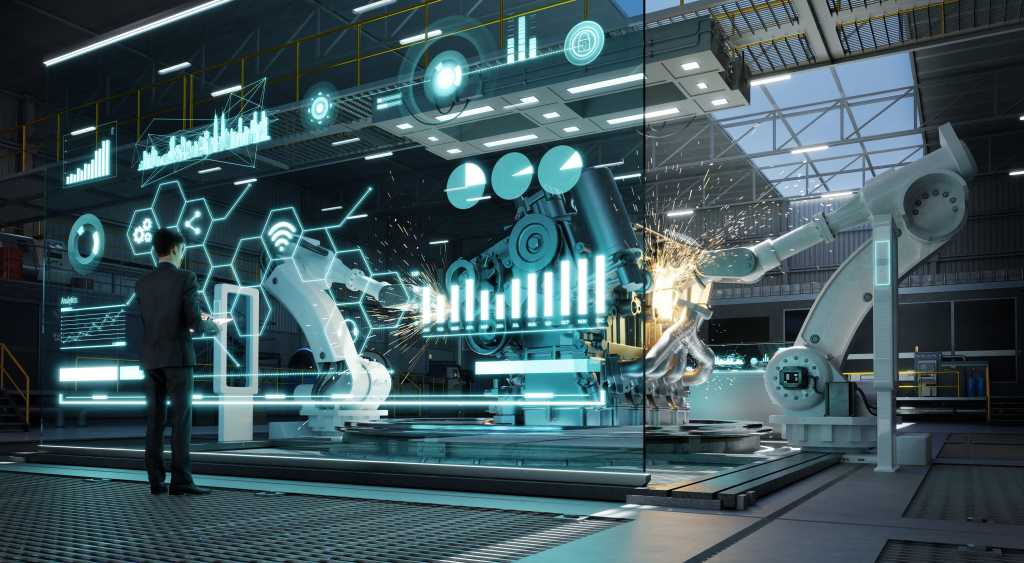
Emerging advancements in artificial intelligence (AI) are driving a new wave of capabilities in robotics, particularly through the development of “world models.” These sophisticated frameworks allow robots to simulate their environments and predict the consequences of their actions, thereby enhancing their decision-making processes. Kenny Siebert, an AI research engineer at Standard Bots, emphasized the necessity of integrating 3D visual geometry and fundamental physical laws—such as gravity and friction—into these models. This integration is vital for robotic systems that interact with a diverse array of objects across unpredictable environments.
World models operate by generating short, video-like simulations that depict potential outcomes at each step of a robot’s actions. This predictive capability enables robots to evaluate various scenarios and select the most appropriate action to take. As Siebert notes, the ability to accurately model physical interactions is crucial for robots that must navigate complex settings, such as factory floors or urban roadways.
Galda, another expert in the field, highlighted the distinction between world models and simpler predictive systems. “I think the difference with world models is that it’s not enough just to predict words on a sign or the pixels that might happen next, but it has to actually understand what might happen,” he stated. This deeper level of comprehension allows robots to interpret critical signage—such as “stop” or “dangerous zone”—facilitating safer and more cautious operational responses.
The implications of such advancements extend beyond mere technical enhancements. By equipping robots with an understanding of their surroundings, manufacturers can expect improved operational efficiency and safety in automated processes. The ability to foresee potential hazards allows robots to adjust their behavior accordingly, reducing the risk of accidents in environments where human workers are present.
The integration of world models into robotic systems represents a significant shift in how machines are programmed to interact with their environments. Traditionally, robots have relied on pre-set instructions and limited sensor feedback to navigate their tasks. However, with the advent of AI-driven world models, robots can now learn from their experiences and adapt in real-time, leading to more fluid and responsive behavior.
This technology is particularly relevant in industries where automation is becoming increasingly prevalent. For instance, in manufacturing, robots equipped with world models can anticipate the physical properties of materials they handle, resulting in more precise assembly and fewer errors. In logistics, delivery drones or autonomous vehicles can better navigate complex urban environments, reducing the likelihood of accidents and improving delivery times.
As the field of AI continues to evolve, the integration of world models in robotics may also pave the way for smarter, more autonomous systems that can operate with minimal human oversight. The potential applications are vast, ranging from autonomous vehicles to service robots in retail and healthcare settings. With continued research and development, the promise of AI-enhanced world models could reshape the future of robotics, making them more intuitive and capable of safely interacting with the world around them.
In summary, as these technologies advance, the intersection of AI and robotics is set to transform not only industrial operations but also everyday life. The convergence of world models with physical understanding in robots signals a future where machines are better equipped to navigate the complexities of the real world, leading to safer and more efficient interactions in various sectors.
See also Former AI Executive Reveals ‘AI Psychosis’: 9-Hour Days Led to Distorted Reality
 Meta Announces Launch of Avocado and Mango AI Models in H1 2026, Boosting LLM Capabilities
 Multi-Modal AI Revolutionizes Product Design: A New Era of Human-Like Understanding
 Volcano Engine Named Exclusive AI Cloud Partner for 2026 CCTV Spring Festival Gala
 Z Image API vs. Nano Banana Pro: Which AI Image API Delivers Better Performance?






