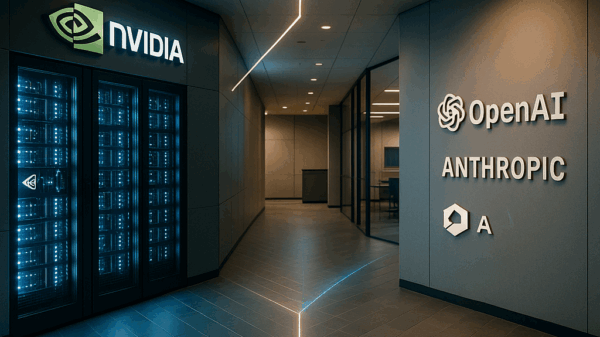



































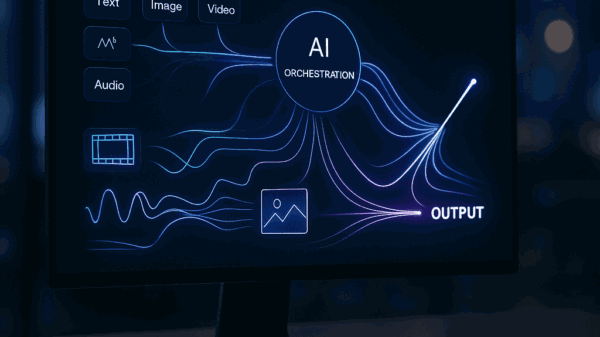





Luma, an AI video startup, has made a significant leap in the rapidly evolving field of artificial intelligence with the launch of its new platform, Luma Agents. Exclusively unveiled to TechCrunch, the platform is powered by what the company describes as “Unified Intelligence” models. These models enable the coordination of multiple AI systems to autonomously produce comprehensive creative projects that integrate text, images, video, and audio. This strategic move positions Luma in direct competition with industry players like OpenAI and Anthropic, who are also venturing into agentic AI.
The introduction of Luma Agents marks the company’s boldest initiative to date, offering a solution that goes beyond mere content generation. Unlike traditional tools that typically require users to switch between various applications for tasks such as scripting, design, video editing, and sound production, Luma Agents aims to streamline the entire creative workflow into a single, cohesive system. By simply providing a creative brief, users can allow the platform to automatically deploy the appropriate AI systems in sequence, facilitating the delivery of a finished product.
Timing is crucial for Luma, as the AI agents sector has quickly become a competitive arena, with various firms racing to create systems that can perform complex tasks instead of merely answering queries. While OpenAI has been enhancing its own agent capabilities and Anthropic has demonstrated its system, Claude, managing computer operations, Luma is carving a distinct niche focused on creative production through its multimodal coordination approach.
The concept of “Unified Intelligence” differentiates Luma’s strategy from other AI architectures. Rather than relying on a single, massive model to handle all functionalities, Luma appears to be developing specialized orchestration layers. These layers are designed to recognize when to engage different expert systems, akin to having a creative director who identifies the right specialists needed for each project phase. This innovative approach could lead to significant advancements in how creative tasks are managed and executed by AI.
As Luma Agents enters an increasingly crowded market, it faces the challenge of proving its value over existing solutions. The push towards more autonomous systems capable of tackling comprehensive creative workflows may redefine how industries approach content creation. By streamlining the creative process, Luma is not only enhancing user experience but also setting a new standard for what AI can achieve in collaborative settings.
The broader significance of Luma’s entrance into the agentic AI market lies in its potential to transform various sectors reliant on creative outputs, such as advertising, filmmaking, and digital media. As the demand for diverse content continues to rise, platforms like Luma Agents could significantly alter how creators work, ultimately leading to innovative possibilities in content generation and production.
See also Sam Altman Praises ChatGPT for Improved Em Dash Handling
 AI Country Song Fails to Top Billboard Chart Amid Viral Buzz
 GPT-5.1 and Claude 4.5 Sonnet Personality Showdown: A Comprehensive Test
 Rethink Your Presentations with OnlyOffice: A Free PowerPoint Alternative
 OpenAI Enhances ChatGPT with Em-Dash Personalization Feature