
























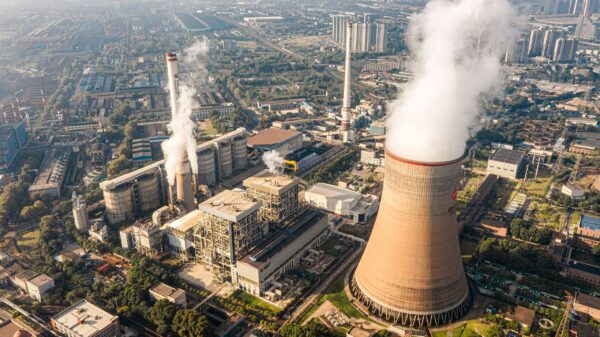


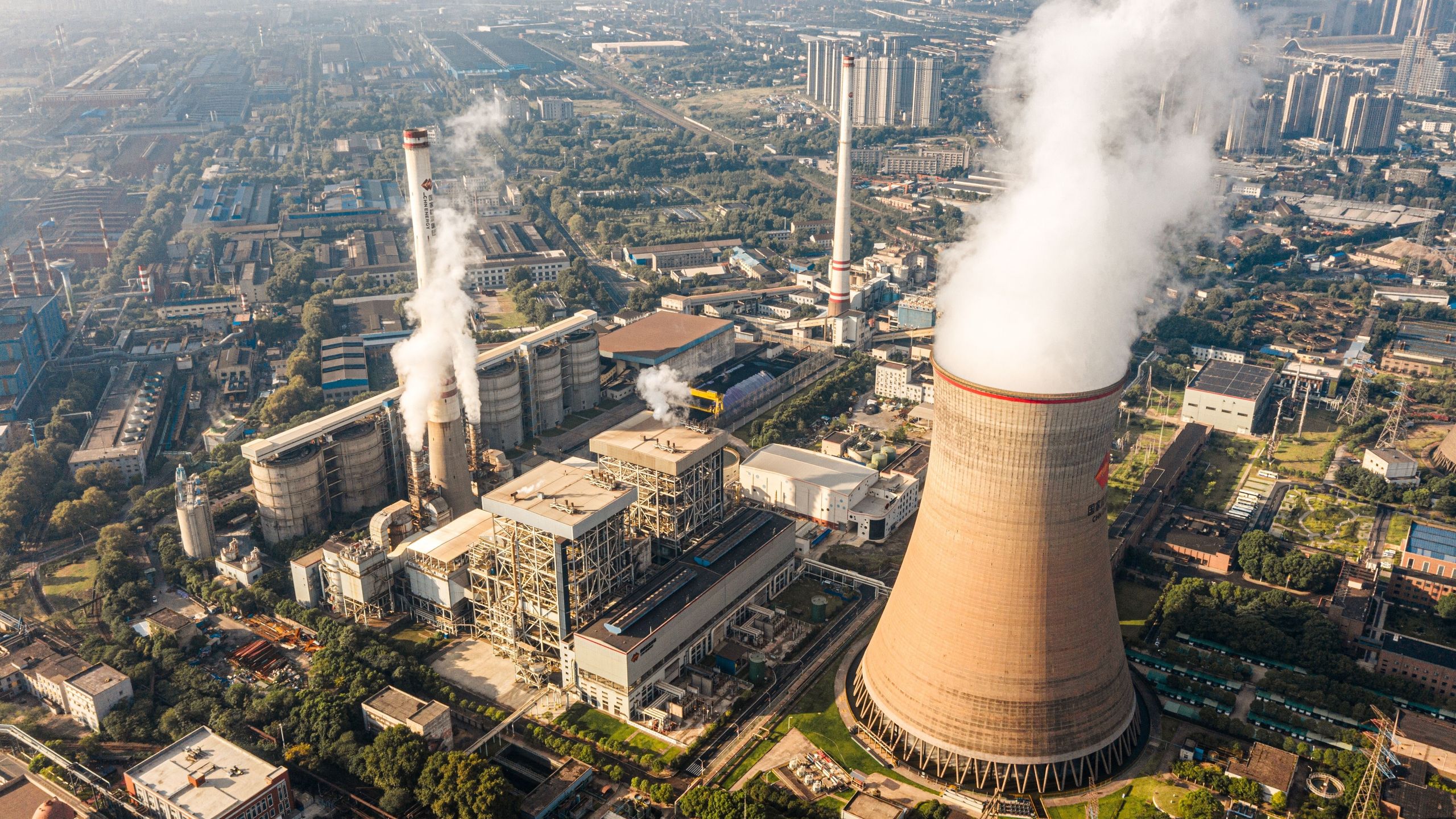
Microsoft and Nvidia have launched an ambitious collaboration aimed at expediting the development and deployment of nuclear power plants, which are intended to provide energy for AI data centers. This partnership, detailed in a Microsoft blog post, integrates generative AI, digital twin simulation, and Nvidia’s Omniverse platform to address critical bottlenecks in the nuclear energy sector, particularly lengthy and expensive permitting processes, fragmented engineering data, and manual regulatory reviews that hinder timely plant construction.
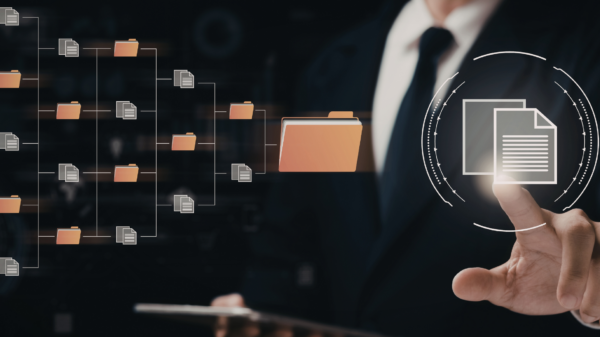
The collaboration is structured around four main phases of nuclear development. In the design and engineering phase, engineers will leverage digital twins and high-fidelity simulations to reuse proven design patterns, modeling the impacts of changes before construction begins. The licensing and permitting phase will employ generative AI to streamline document drafting and conduct gap analysis across the extensive documentation typically required for regulatory submissions.
Construction will incorporate advanced 4D and 5D simulations, which add time scheduling and cost tracking to traditional 3D spatial models. This approach allows for a virtual construction of nuclear power plants before any physical work begins, enabling project managers to monitor actual progress against digital plans and identify potential scheduling conflicts early. In the operational phase, AI-driven sensors and digital twins will facilitate anomaly detection and predictive maintenance, enhancing overall reliability.
The technology stack underpinning this initiative includes Nvidia’s Omniverse and AI Enterprise platforms, in addition to models such as Earth 2, PhysicsNeMo, Isaac Sim, and Metropolis. Microsoft’s contribution features its Generative AI for Permitting Solution Accelerator and Planetary Computer, all deployed on Azure.
Concerns regarding the application of generative AI in safety-critical nuclear environments are mitigated by early successes in the industry. Aalo Atomics, a startup based in Austin specializing in modular nuclear reactors for data centers, reported a 92% reduction in its permitting workload thanks to Microsoft’s AI solutions, translating to an estimated $80 million in annual savings. “Two things matter most: enterprise-scale complexity and mission-critical reliability,” stated Yasir Arafat, chief technology officer at Aalo, which is currently developing the Aalo-X experimental reactor at Idaho National Laboratory, aiming for criticality by mid-2026.
Other companies are also benefiting from this collaboration. Everstar, an Nvidia Inception startup, is integrating domain-specific AI for nuclear into Azure to manage project workflows and ensure the integrity of data pipelines. Meanwhile, Atomic Canyon’s Neutron platform is now accessible through the Microsoft Marketplace, facilitating standard enterprise procurement for nuclear developers seeking to harness these advanced capabilities.
The lengthy duration of new reactor construction in the United States, exemplified by Southern Company’s Vogtle Unit 3, which took fourteen years, underscores the potential for acceleration in plant development through this partnership. As demand for AI data center power continues to rise, the efficacy of Nvidia and Microsoft’s joint efforts will be closely watched as the landscape of nuclear energy evolves.
See also Sam Altman Praises ChatGPT for Improved Em Dash Handling
 AI Country Song Fails to Top Billboard Chart Amid Viral Buzz
 GPT-5.1 and Claude 4.5 Sonnet Personality Showdown: A Comprehensive Test
 Rethink Your Presentations with OnlyOffice: A Free PowerPoint Alternative
 OpenAI Enhances ChatGPT with Em-Dash Personalization Feature