















































Local large language models (LLMs) are emerging as an alternative to popular AI chatbots, offering similar features with the added benefit of enhanced privacy. Though these models can be resource-intensive, a new, free, and open-source tool allows users to identify which models can run effectively on their PCs or Macs, circumventing concerns related to data exposure.
For many users, the appeal of services like ChatGPT, Claude, and Gemini lies in their accessibility and low-cost entry points. However, running a local LLM presents notable advantages, particularly in terms of data privacy. When interacting with a cloud-based chatbot, users may unknowingly share sensitive information, such as personal documents or images, that could be stored or analyzed by third parties. By opting for local LLMs, users can ensure that their data remains securely on their own hardware, effectively minimizing the risk of exposure.
A common misconception is that local LLMs require high-end hardware, leading many to believe that only computers with powerful GPUs can run these models effectively. In reality, recent advancements have made it feasible to operate relatively competent models on more modest machines. For instance, users have successfully utilized local LLMs on devices like the M2 MacBook Air with 8GB of RAM, demonstrating that sufficient processing power can be found even in less powerful computers. Tasks such as summarizing texts, redacting sensitive information, and executing image analyses can be performed, although the processing speed may not match that of major cloud-based competitors.
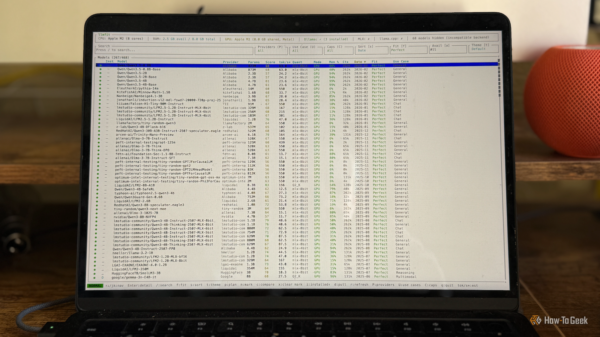
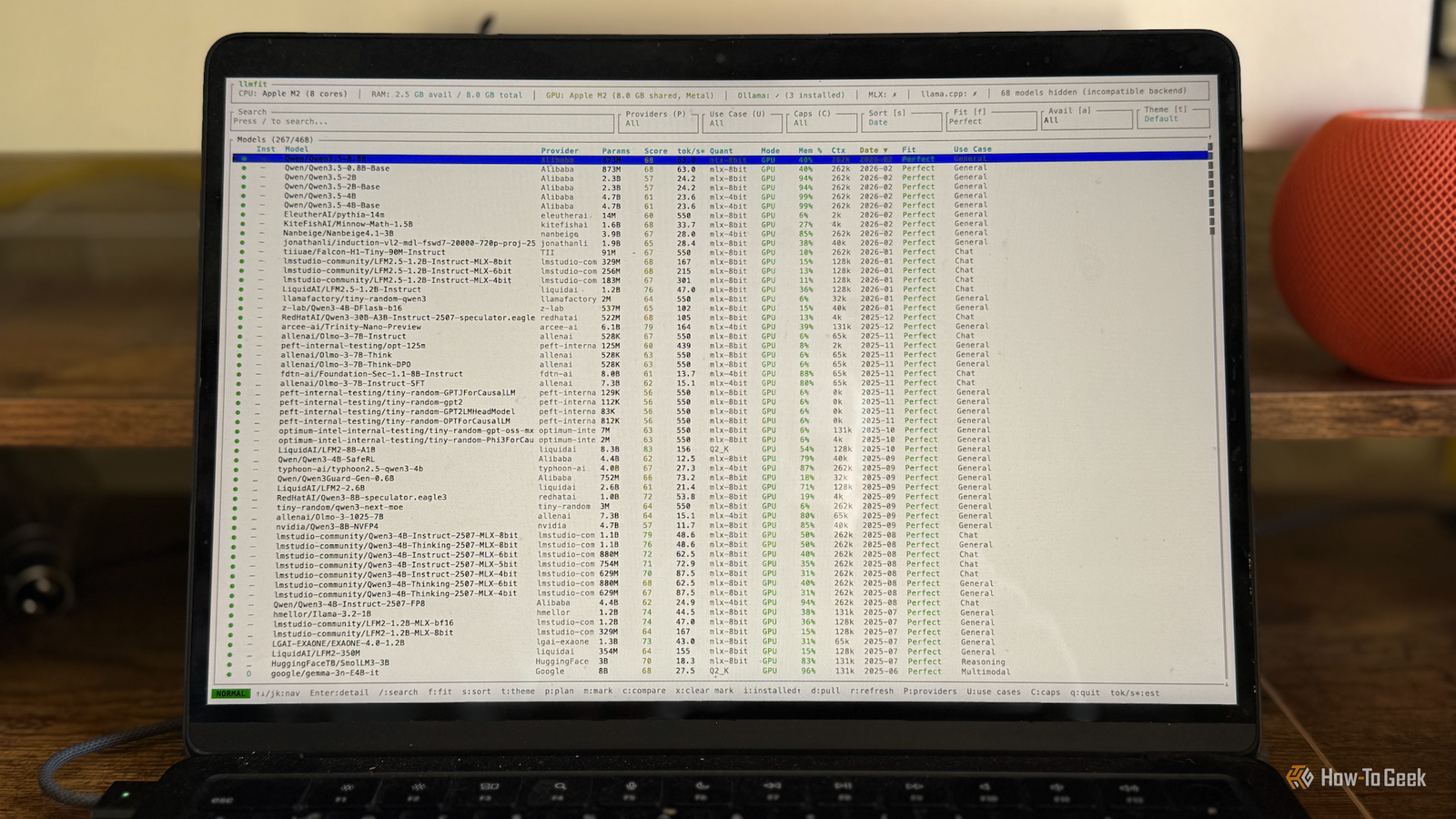
The tool named llmfit has emerged as a valuable resource for users looking to leverage local LLMs. Available for installation on macOS, Linux, and Windows, llmfit analyzes a user’s hardware specifications and recommends the most suitable models. After installation, users can access detailed information about their hardware and a curated list of models that are compatible. The tool categorizes these models based on how well they would perform on the user’s device, allowing individuals to filter results according to their needs and capabilities.
Once users have installed llmfit, navigating its interface is straightforward. The utility provides an overview of the hardware at the top of the screen, alongside various model options. Users can utilize filters to show which models fit entirely in VRAM, which are good or marginal, and which are unsuitable for their device. The sorting function allows for easy comparison of models based on quality and speed, with options to search for specific names or use cases. For those interested in exploring their hardware’s full potential, llmfit also offers a planning mode that outlines the requirements needed to run particular models.
Continuous improvements in local LLM technology mean that users can accomplish a wide array of tasks without relying on cloud-based services. As a result of using llmfit, many users find they can extract more utility from their existing hardware than previously thought possible. The ability to perform analyses and manipulations of sensitive documents locally not only alleviates concerns about data privacy but also empowers users to leverage advanced AI capabilities in their personal computing environments.
Looking ahead, the landscape of local LLMs is expected to expand further as developers refine these models and enhance their usability. As more individuals become aware of the advantages of running AI locally, the demand for tools like llmfit could grow significantly, fostering a community of users who prioritize both performance and privacy in their AI interactions. The shift towards local models represents not just a technological trend but a broader cultural change in how users approach data security and personal computing.
See also Sam Altman Praises ChatGPT for Improved Em Dash Handling
 AI Country Song Fails to Top Billboard Chart Amid Viral Buzz
 GPT-5.1 and Claude 4.5 Sonnet Personality Showdown: A Comprehensive Test
 Rethink Your Presentations with OnlyOffice: A Free PowerPoint Alternative
 OpenAI Enhances ChatGPT with Em-Dash Personalization Feature