













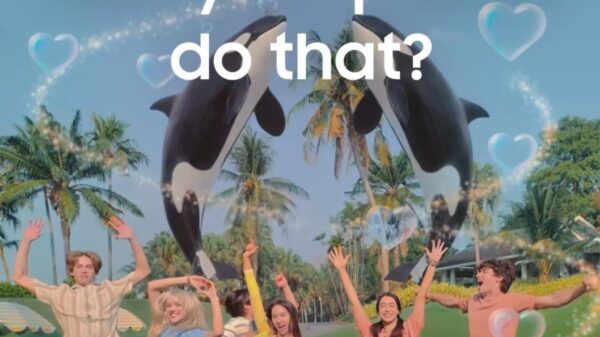


















OpenAI has officially discontinued its video generation app, Sora, just nine months after its high-profile launch. Announced on Tuesday, the decision comes alongside the termination of a substantial $1 billion deal with Disney, which was intended to enhance Sora’s capabilities by integrating iconic Disney characters into user-generated content.
Sora was launched in December 2024 to significant anticipation, quickly positioning itself as a potential leader in the burgeoning field of AI-driven video creation. However, it soon found itself overshadowed by competitors such as Google’s Veo and Luma Ray, which offered more comprehensive features and user experience. The Sora team acknowledged the disappointment in their announcement via the OpenAI X feed, stating, “To everyone who created with Sora, shared it, and built community around it: thank you. What you made with Sora mattered, and we know this news is disappointing.”
The partnership with Disney, established in December 2025, was heralded as a transformative opportunity for Sora. It was expected to allow creators to leverage Disney’s vast library of copyrighted characters, promising a unique blend of creativity and IP management. However, industry insiders noted at the time that the deal was likely more beneficial for Disney than for OpenAI, which has been facing financial pressures, reportedly burning through approximately $1 billion each month.
Despite the initial optimism, the alliance faltered, leading Disney CEO Bob Iger to describe the collaboration as “DOA” in a statement confirming the deal’s demise. “As the nascent AI field advances rapidly, we respect OpenAI’s decision to exit the video generation business and to shift its priorities elsewhere,” Iger stated. He added that Disney would continue to explore partnerships with AI platforms to responsibly embrace new technologies that respect intellectual property and the rights of creators.
The abrupt termination of Sora has sparked discontent among its user base, many of whom took to social media to express their frustration. The timing of the announcement, which many perceived as lacking clarity, has led to speculation about internal issues at OpenAI. The company is also grappling with legal challenges, including multiple wrongful death lawsuits that have prompted it to introduce new mental health safeguards for teenage users.
OpenAI has not confirmed reports suggesting that Sora’s functionalities could be integrated into the ChatGPT platform, but indicated that it would share more information soon about the app’s future, including details on preserving user-generated content. This uncertainty comes as the company navigates a rapidly evolving landscape of AI technology, where competition is fierce and innovation is crucial.
The end of Sora marks not just the conclusion of a product but also reflects broader challenges facing AI companies in a market that is continually shifting. With traditional customer bases increasingly demanding more robust and versatile offerings, the stakes have never been higher for AI-driven platforms. Observers will be watching closely to see how OpenAI manages this transition and what it means for the future of video generation technology.
See also Google Unveils 7 Free AI Tools for 2026, Enhancing Productivity and Creativity
 Sam Altman Praises ChatGPT for Improved Em Dash Handling
 AI Country Song Fails to Top Billboard Chart Amid Viral Buzz
 GPT-5.1 and Claude 4.5 Sonnet Personality Showdown: A Comprehensive Test
 Rethink Your Presentations with OnlyOffice: A Free PowerPoint Alternative