


































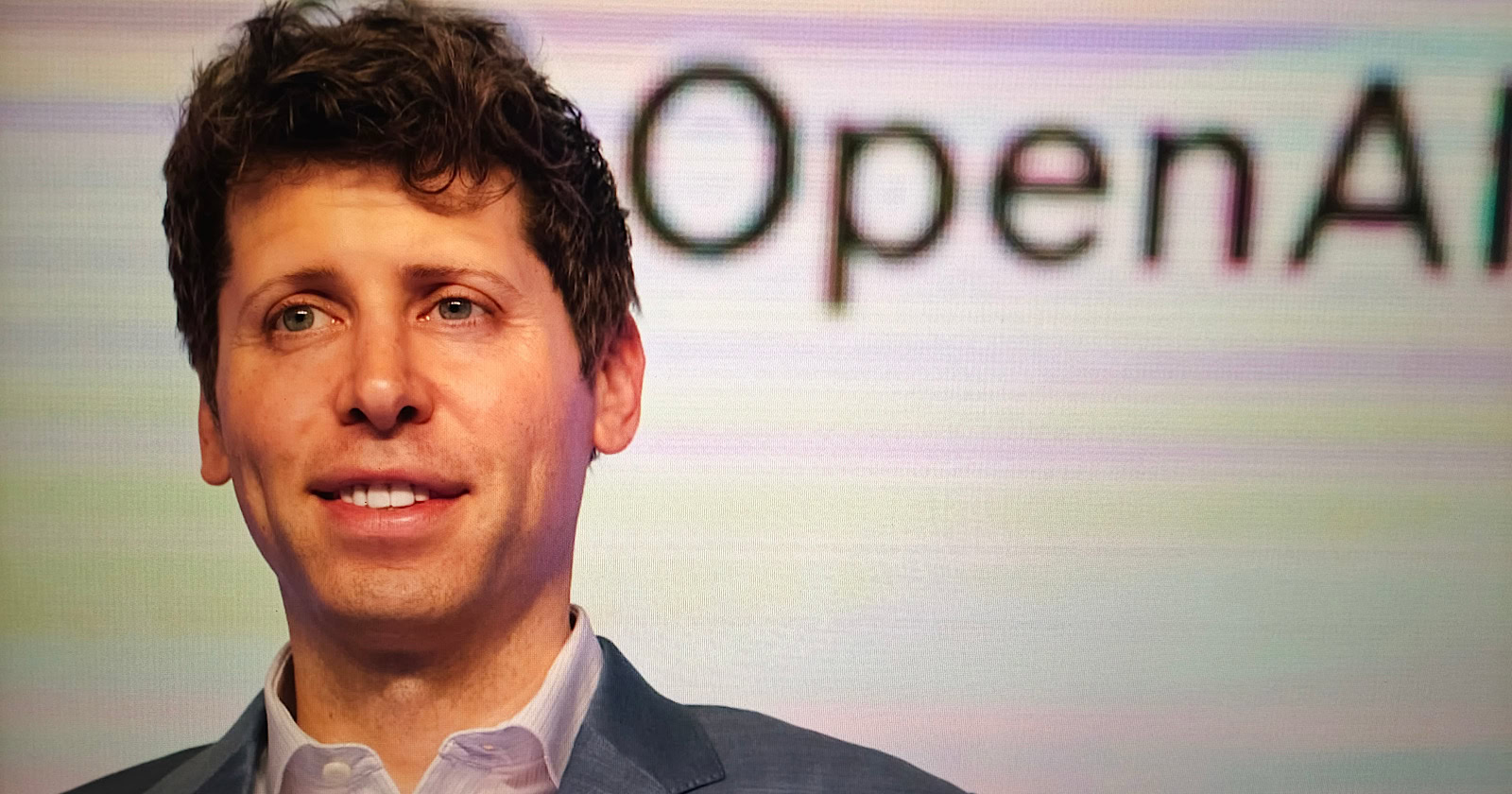
OpenAI CEO Sam Altman admitted during a developer town hall on Monday that the company “screwed up” the writing quality of its latest AI model, GPT-5.2. In response to concerns from users regarding the model’s ability to produce clear and concise writing, Altman acknowledged the feedback, stating that GPT-5.2 is “unwieldy” and “hard to read” compared to its predecessor, GPT-4.5.
Altman’s candid remarks underscored a notable shift in OpenAI’s development strategy. He explained, “I think we just screwed that up. We will make future versions of GPT 5.x hopefully much better at writing than 4.5 was.” The focus for GPT-5.2, he noted, was intentionally directed towards enhancing technical capabilities, including intelligence, reasoning, coding, and engineering, rather than refining writing quality.
This decision represents a clear delineation in OpenAI’s approach to its models. When GPT-4.5 was launched in February 2025, the emphasis was on natural interaction and writing improvement. OpenAI described GPT-4.5 as providing a more “natural” interaction and highlighted its utility for tasks like enhancing writing skills.
In contrast, the introduction of GPT-5.2 positioned it as the most advanced model series for professional knowledge work, specifically tailored for tasks such as spreadsheet creation, presentation development, coding, and managing complex, multi-step projects. Although the announcement briefly noted improvements in technical writing for GPT-5.2 Instant, Altman’s comments indicated that the broader writing experience did not meet user expectations when compared to GPT-4.5.
The iterative changes made to ChatGPT since the launch of GPT-5 in August have included adjustments to aspects such as warmth and tone, alongside instruction-following improvements in GPT-5.1. OpenAI routinely updates model behavior in response to user feedback, a practice not without its challenges. While enhancements in some areas are often accompanied by regressions in others, Altman’s frank acknowledgment of this trade-off is relatively uncommon.
For professionals relying on ChatGPT for client-facing content, drafts, or polished writing, Altman’s comments offer clarity on the recent shifts in output quality. Model updates do not inherently guarantee improvements across all capabilities, suggesting that users should treat these updates as they would any other dependency change. It becomes prudent to retest prompts when defaults change and to maintain fallback options if output quality is critical to their workflow.
Looking to the future, Altman expressed his belief that “the future is mostly going to be about very good general purpose models,” emphasizing that even models focused on coding should also produce high-quality writing. However, no specific timeline was provided for the anticipated writing enhancements in the GPT-5.x series. OpenAI typically iterates on model behavior through point releases, which may result in gradual rather than singular updates.
For further insights, a video of Altman’s full statement can be viewed online.
Featured Image: FotoField/Shutterstock
See also AI-Powered Testimony 360 Launches to Preserve Holocaust Survivors’ Voices for Future Generations
 Lumina Unveils Framework to Enhance LLM Multi-Turn Performance with Oracle Skills
 Kimi K2.5 Surpasses Gemini 3 in Coding Tasks with Advanced Multimodal Features
 Researchers Develop Diffusion Inpainting to Enhance Ear Recognition Accuracy by 20%
 NVIDIA Launches FastGen, Accelerating Diffusion Models with 100x Speed Improvements