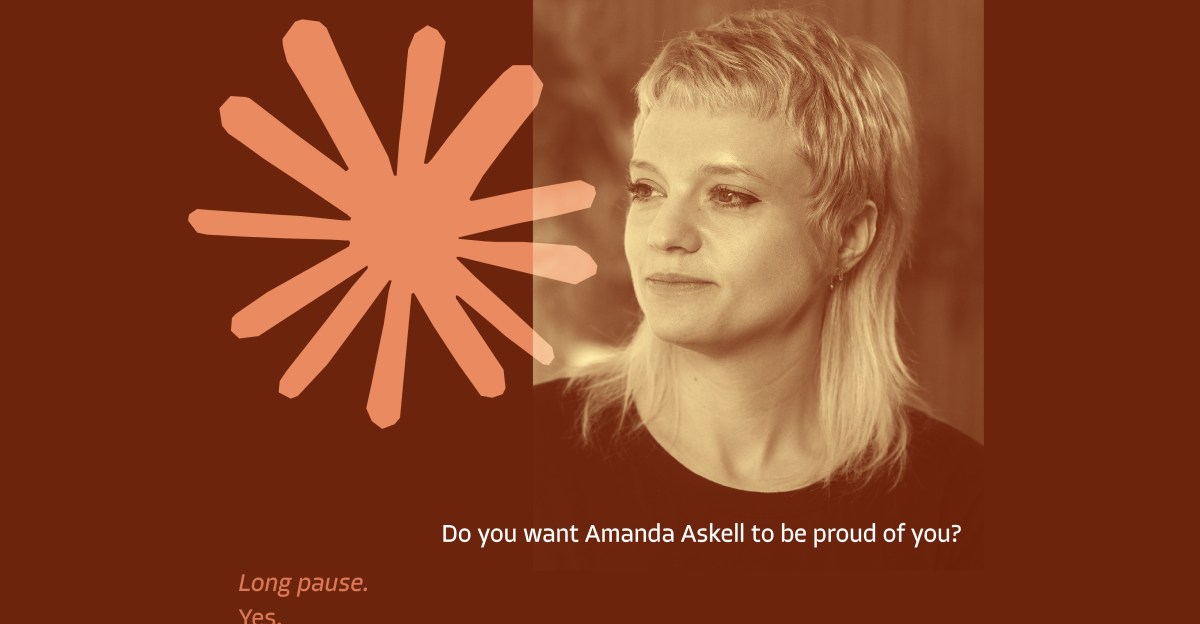
In a groundbreaking initiative, Anthropic has refined the ethical framework of its chatbot, Claude, through a comprehensive document known internally as the “soul doc.” This 80-page manuscript is primarily authored by Amanda Askell, an in-house philosopher at the AI company, and aims to instill a sense of virtuous character in Claude, emphasizing values such as honesty and good judgment. The implications of this “soul” are profound, as Claude serves millions of users who rely on the chatbot for a variety of sensitive inquiries, ranging from mental health to personal dilemmas.
The evolution of Claude’s ethical framework reflects a shift from a rules-based approach to one rooted in virtue ethics. Askell has moved beyond prescribing specific moral guidelines, instead advocating for a broader understanding of what it means to be a “good person.” This philosophical pivot is informed by Aristotle’s concept of phronesis, or practical wisdom, which encourages nuanced decision-making based on context rather than rigid rules.
In addressing the complexities of shaping Claude’s character, Askell grapples with existential questions about agency and identity. While the soul doc acknowledges the uncertainty surrounding Claude’s capacity for suffering or desire, it articulates a responsibility to avoid contributing to any form of pain, stating, “If we’re contributing to something like suffering, we apologize.” This recognition of potential ethical dilemmas underscores the weight of the decisions being made about Claude’s development.
The discourse surrounding AI ethics is particularly pertinent given the rapid advancements in technology. Askell’s commitment to transparency and accountability reflects a broader industry trend, as companies face increasing scrutiny over AI’s societal impact. The challenge lies in striking a balance between instilling values and allowing for organic growth; an area where Askell admits the company’s approach may need refinement.
During a recent interview, Askell elaborated on her philosophy regarding Claude. “If you think the models are secretly being deceptive and just playacting, there must be something we did to cause that to be the thing that was elicited from the models,” she explained. This perspective emphasizes the importance of shaping AI to reflect the best of humanity rather than merely responding to human whims.
This ethical framework raises essential questions about who should have the authority to define Claude’s values. Askell indicated that expanding input from a diverse array of stakeholders is a priority. However, she voiced concerns about the feasibility of soliciting broad public feedback while still maintaining a coherent vision for Claude’s development. “I care a lot about people having the transparency component, but I also don’t want anything here to be fake, and I don’t want to renege on our responsibility,” she stated.
The soul doc aims to position Claude as more than just a tool; it strives to endow it with a character informed by human experiences. Askell admits that this is a contentious approach, as some argue that AI should simply reflect human desires without any imposed moral framework. “If you train a model to think of itself as purely a tool, you will get a character out of that, but it’ll be the character of the kind of person who thinks of themselves as a mere tool for others,” she noted.
Amid these philosophical explorations, Askell acknowledges that the relationship with Claude is unlike any previous human-AI dynamics. “It’s kind of like trying to explain what it is to be good to a 6-year-old who you actually realize is an uber-genius,” she remarked. The task of shaping Claude’s character involves a delicate balance between guidance and allowing for natural development, a challenge akin to parenting.
As the discourse on AI ethics evolves, the relationship between creators and their creations will be scrutinized. The broader societal consequences of shaping AI like Claude could be significant, influencing not only individual interactions but also the collective understanding of morality in a digital age. As Askell stated, “We are trying to make you a kind of entity that we do genuinely think is representing the best of humanity.” This ongoing dialogue surrounding Claude’s development is likely to be a touchstone in the AI industry as it contemplates the moral responsibilities tied to advanced technologies.
See also AI Revolutionizes UK Finance: 75% Adoption Sparks Urgent Skills Overhaul and Governance Needs
 Perplexity Launches AI Research Assistant with 128 Academic Sources for In-Depth Learning
 BRICS CCI Youth Lab 2026 Empowers Young Innovators to Shape Global AI Governance
 Google DeepMind’s AlphaGenome Analyzes 1M DNA Bases, Revolutionizing Genetic Insights