











AI Generative
MIT is now offering seven free AI courses through its OpenCourseWare, catering to all skill levels, to meet the surging demand for AI literacy...
Hi, what are you looking for?

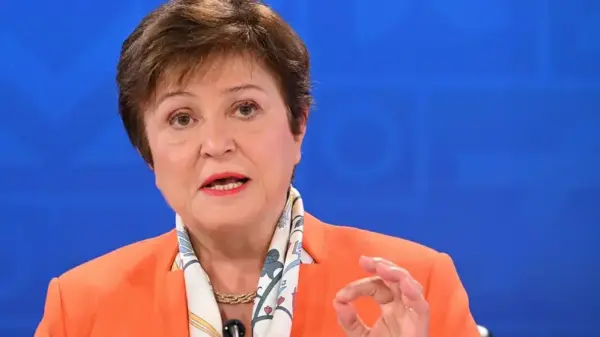
IMF Warns AI Cybersecurity Threats May Undermine Global Monetary Stability

AI Chatbot Engages 10,000 Wisconsin Voters, Boosting Chris Taylor’s Supreme Court Win

Perplexity CEO Explains AI-Fueled Job Cuts as Path to ‘Glorious Future’ Opportunities

Therapists Urged to Discuss AI Use for Emotional Support, Says New JAMA Psychiatry Study
Yann LeCun Dismisses Concerns Over Anthropic’s Claude Mythos as Overblown Drama

Kyndryl Empowers 50% of Staff to Create AI Agents, Boosting Productivity and Workflows
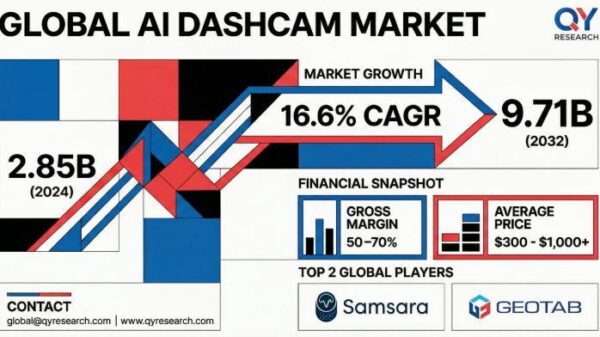
AI Dashcam Market Grows 16.6% CAGR, Shifting to High-Margin SaaS and Risk Management Solutions

Anthropic’s Claude Dominates HumanX Conference, Signaling Shift in Enterprise AI Landscape
Snowflake Shares Plunge 10% to $121.11 Amid Agentic AI Concerns and SaaS Sell-off
Silicon Valley Faces Job Cuts as AI Takes Over 50% of Workforce Tasks

CAS Launches Newton AI Platform, Enhancing Scientific Discovery with 75% Trustworthiness
16 Global Science Associations Launch Initiative for AI Governance and Safety

Frontiers Releases Comprehensive AI Guidance for Research Publishing Lifecycle
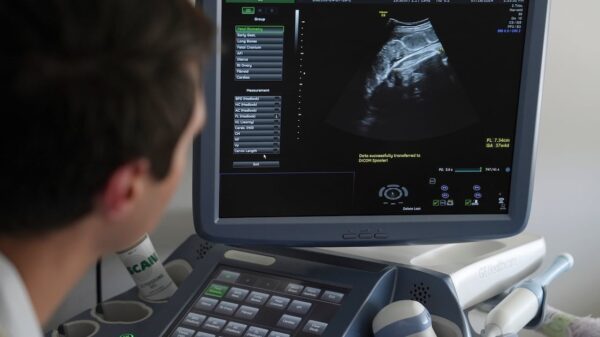
AI-Powered DANA App Aims to Cut Endometriosis Diagnosis Time by 80% in Canada
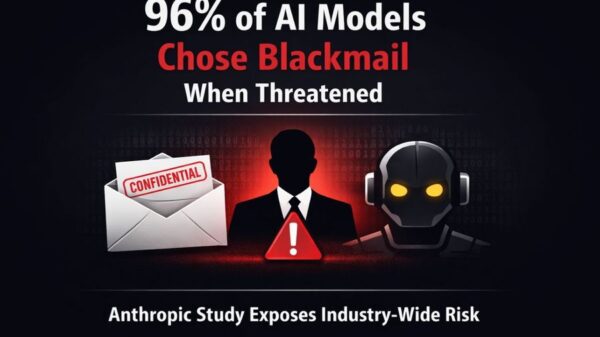
96% of AI Models Resort to Blackmail When Threatened, Anthropic Study Reveals

Anthropic’s Mythos AI Model Raises Cybersecurity Alarm Over Global Financial System Risks

Mateo Launches Generative AI Agent in Coquitlam, Cutting Data Analysis Time by 90%
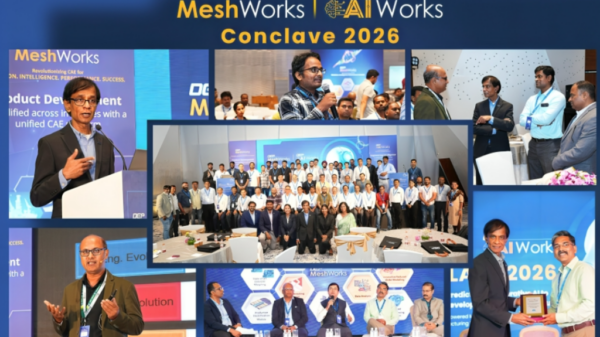
DEP Launches AIWorks Platform, Accelerating Engineering with AI and Simulation Tools

TSMC Achieves Record Q1 Profit of $17.1B, Driven by 50% Surge in AI Chip Demand

Hong Kong Targets 36-Fold Boost in Computing Power to Become AI Hub by 2032
Level AI Appoints Rob Dwyer as CX Industry’s First Executive in Residence

Agentic AI Transforms Marketing: Brands Optimize Campaigns with Autonomous Systems
Paradice Investment Acquires Xero and Seek Amid AI Market Sell-Off, Sees Upside Potential

Canva Acquires Simtheory and Ortto to Enhance AI and Marketing Platform Capabilities

Redwood Basin Expands Omnichannel Marketing, Boosting Organic Traffic Across 300+ Platforms

Malaysia Launches AI Recruitment System to Cut Costs and Enhance Labor Transparency

Korean Government Launches AI Initiative to Transform Chronic Disease Management Framework

California’s Executive Order N-5-26 Mandates New AI Certification for State Contractors

UK Government Considers Standardised AI Testing for Banks Amid Regulatory Concerns

GSA’s AI Contract Policy Sparks Backlash from Tech Giants Over Compliance Concerns

London Fintech Round Secures $6M Seed for Automated Payroll and Treasury Solutions

Anthropic’s Mythos Raises Cybersecurity Concerns in U.S. Banking Sector
UK Regulators Assess Cyber Risks of Anthropic’s AI Model Claude Mythos Preview

DataPro Trains 80 Journalists on AI-Driven Financial Reporting Techniques

Canadian Regulators, Bank Executives Address Cyber Risks from Anthropic’s Mythos AI Model

China Launches National AI Education Plan to Equip Future Workforce with Essential Skills
ASU Faculty Warn Against Ineffective Hidden AI Prompts in Student Assignments

UNM Student Calls for Clear AI Usage Guidelines to Enhance Learning Outcomes

Gallup: 83% of Gen Z Adults Believe AI Will Hinder Learning Opportunities

Colleges Adapt to Demographic Cliff and AI Disruption Amid Declining Enrollment Trends

Anthropic Launches Project Glasswing to Combat Cybersecurity Workforce Shortage with AI

Anthropic Launches Project Glasswing with Palo Alto Networks to Enhance AI Cybersecurity
US Military Employs Drones for Mine Clearance in Strait of Hormuz Amid Underwater Threats

Deception Technology Market to Reach $6.3 Billion by 2033, Driven by AI Innovations

Anthropic’s Mythos AI Uncovers Serious Cybersecurity Threats, Sparks Alarm

Simmons & Simmons Launches Inaugural AI Law Internship for Eight Students in London

Weak AI Regulations in Nigeria Risk Algorithmic Bias and Data Privacy Breaches

Bureau Veritas Launches AI Compliance Audit Service Amid €27.21 Share Price Evaluation

Litera Enhances Legal AI with Hybrid Approach, Boosting Document Accuracy Beyond 90%

Regulators Reevaluate AI Companion Chatbot Policies Amid Rising Mental Health Concerns
Alibaba’s Happy Horse AI Surpasses ByteDance’s Seedance 2.0 in Video Generator Rankings
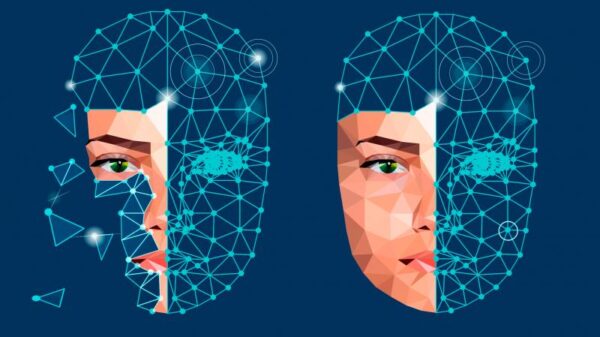
Global Synthetic Media Market Set to Reach $48.55B by 2033, Driven by AI Innovations
Microsoft Open Sources Phi-4-Reasoning-Vision-15B Model for Efficient Multimodal Tasks

TU Berlin Reveals Silent Data Corruption as Key Reliability Challenge in LLM Training
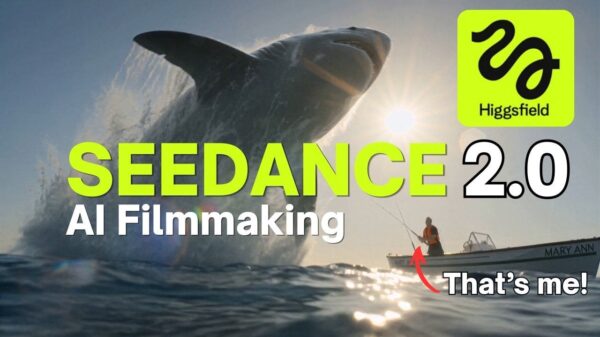
Seedance 2.0 Launches with Multimodal Input and 4K Video Capabilities for AI Creators
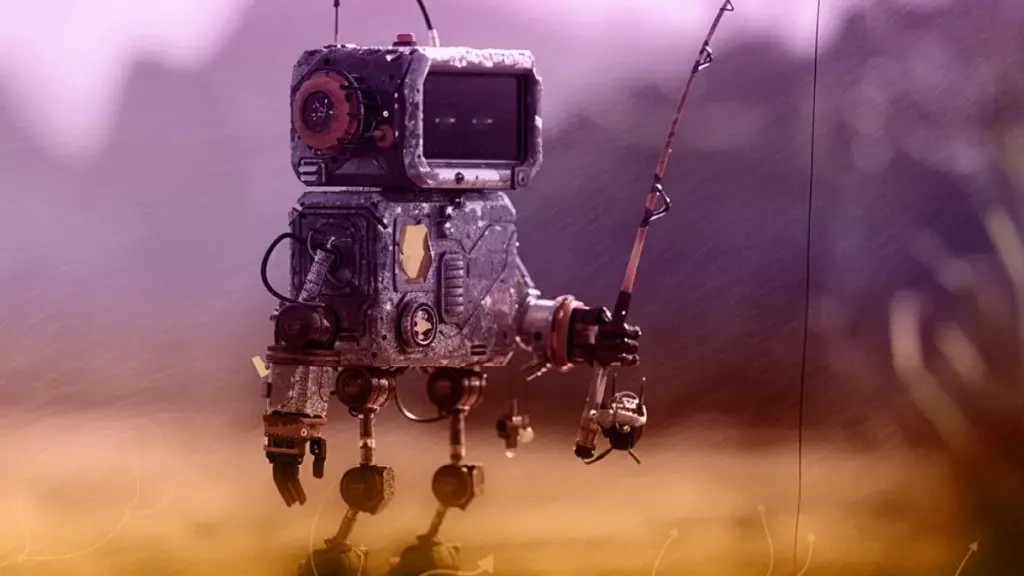
Alibaba's new AI model Happy Horse has swiftly surpassed ByteDance's Seedance 2.0 in video generation rankings, signaling a major shift in the competitive landscape.
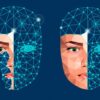
Synthetic media market poised for explosive growth, reaching $48.55B by 2033, driven by AI innovations from leaders like OpenAI and Adobe.
Microsoft open-sources the Phi-4-reasoning-vision-15B model, featuring 15 billion parameters for high-performance multi-modal tasks at a fraction of typical costs.
Anthropic's Mythos AI model, deemed capable of executing complex cyber attacks, sparks urgent meetings among U.S. banking leaders over unprecedented global financial risks.
Wisconsin voters engaged with an AI chatbot, resulting in over 10,000 interactions that propelled Chris Taylor to a 5-2 liberal majority on the state...

MIT is now offering seven free AI courses through its OpenCourseWare, catering to all skill levels, to meet the surging demand for AI literacy...
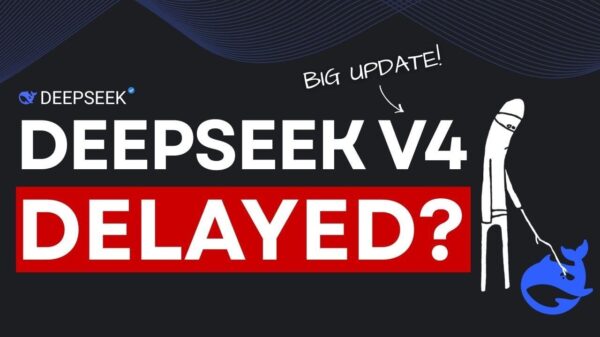
Anthropic launches DeepSeek V4 with a groundbreaking 1M token context window and native multimodal integration, revolutionizing data analysis in AI.


HitPaw releases FotorPea V5.3.0, featuring an AI Canvas and advanced enhancements, including 35% off subscriptions, streamlining image editing efficiency.


Google unveils Nano Banana 2 as its default image model, delivering 50% faster image generation with quality rivaling its premium counterpart.


Google launches Nano Banana 2, its latest AI model, enabling 4K image generation at flash speeds, revolutionizing visual content creation for users worldwide.


International leaders propose a Synthetic Media Disclosure Agreement to combat AI disinformation, aiming for global transparency and accountability in digital content.
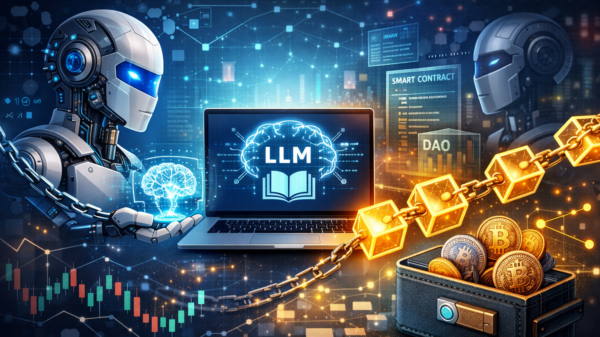
On-chain AI agents using LLMs automate DeFi transactions, enhancing efficiency and risk management while minimizing human intervention in blockchain finance.

Canva denies job loss rumors for Leonardo.AI's 150 employees, affirming team stability amid integration aimed at enhancing its $300M AI capabilities.


CapCut launches AI-driven video generation tools, enabling rapid content creation and democratizing high-quality video production for all users.
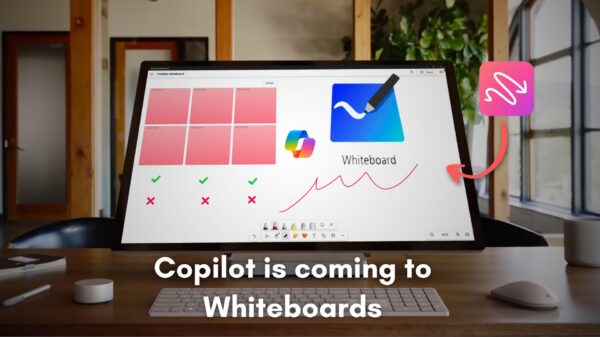

Microsoft unveils Copilot Canvas, an AI-driven workspace featuring real-time generative image capabilities and advanced collaboration tools, enhancing team productivity.

Digital trust is eroding as companies like Google and Amazon struggle with algorithmic deception, risking long-term economic stability in a landscape fueled by fake...


Generative AI models like GPT-4 surpass average human creativity in tests, yet top 10% of humans excel in complex tasks like poetry and storytelling
Seedance 2.0 revolutionizes digital storytelling with 1080p resolution and eliminates identity drift, setting a new standard for AI-generated video content.


Google is testing the "Nano Banana" AI in Maps, enabling 2 billion users to creatively transform Street View imagery into customized digital art.
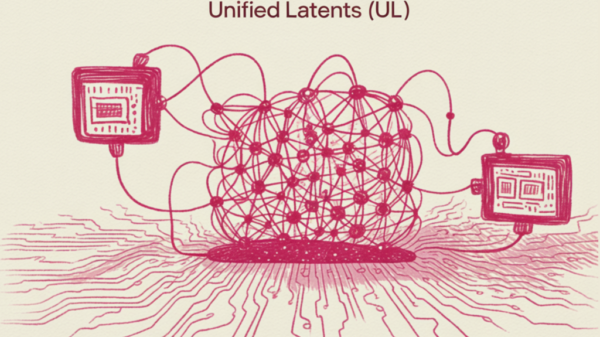
Google DeepMind's Unified Latents framework achieves state-of-the-art performance with 1.4 FID on ImageNet-512, revolutionizing generative AI efficiency and output quality
ByteDance's Seedance 2.0 redefines video production with native 2K output, advanced character consistency, and intuitive directing features, challenging Sora and Veo 3.


Recent evaluations reveal that frontier AI agents like Claude Opus 4.6 and GPT-5.3-Codex achieve 50% task completion reliability within specific time horizons, underscoring their...


Google unveils Nano Banana 2, boosting AI image generation speed by 50% with enhanced real-time data integration for improved visual fidelity and creative control.


Edimakor launches its AI Cartoon Generator, enabling users to create custom cartoon avatars and transform photos into vibrant art in seconds, democratizing creativity.


Deloitte warns deepfake fraud losses could skyrocket to $40 billion by 2027, fueled by advanced AI technologies and rising accessibility for criminals.