





















































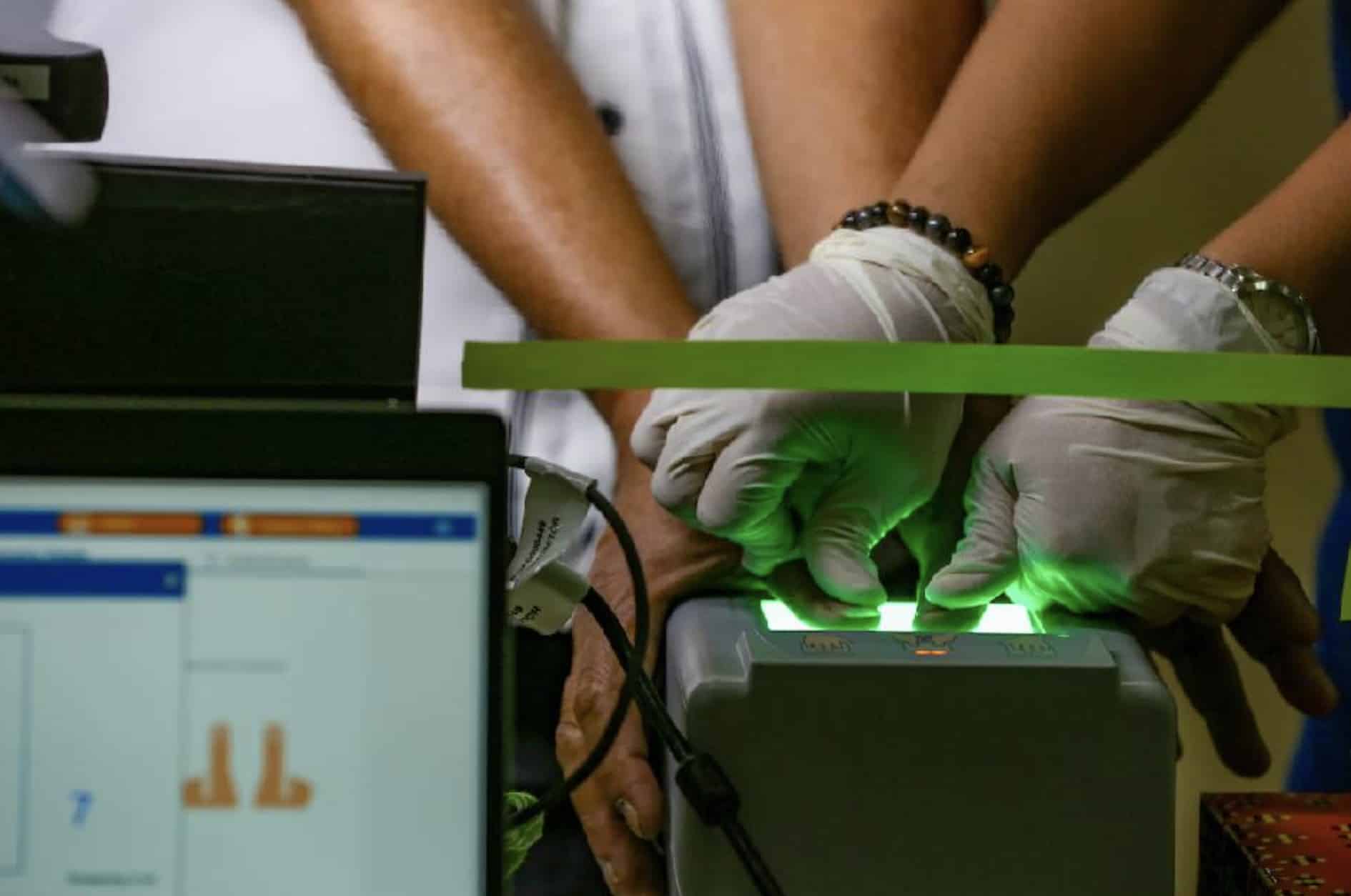
Biometric technology is rapidly evolving to meet the demands of AI-driven fraud prevention, government service delivery, and sustainability in financial services, as highlighted in this week’s developments in the sector. Companies are making significant strides in identity verification and digital identity wallets, navigating the complexities of public safety and inclusivity.
ID.me has secured a $1 billion Blanket Purchase Agreement with the U.S. Treasury Department. This five-year contract will see the company providing identity verification and authentication services for external users, marking another substantial win for ID.me in the realm of federal government contracts.
Meanwhile, Japan is focusing on enhancing its public service delivery, particularly after a sluggish response during the pandemic. The government aims to accelerate digital transformation, with 80% of its population now in possession of a My Number Card. A new application, tentatively named “Myna,” is anticipated to debut in 2026, further streamlining access to services.
In Zambia, plans are underway to issue digital ID cards by the end of the year, part of its Digital Zambia Acceleration Project. Officials from Smart Zambia have noted that the digitization of public services is a clear indication of the country’s progress, receiving commendations from the World Bank for their pace of development.
The Bill & Melinda Gates Foundation continues to invest heavily in financial inclusion efforts, earmarking $150 million for such initiatives in 2024. The foundation aims to exit the space by 2030, having fostered significant momentum in digital ID adoption, particularly in developing countries that stand to benefit the most.
Despite the establishment of the REAL ID program in the U.S. aimed at creating trustworthy identity documents, challenges persist. A Department of Homeland Security official recently testified in federal court that, despite 20 years and billions of dollars invested, an Alabama man’s ID could not be relied upon as proof of citizenship, raising questions about the efficacy of the program.
In Europe, the EUDI Wallets are moving closer to implementation, with a municipality in the Netherlands currently testing their integration with the Once-Only Technical System. The municipality’s proof of birth credential met the technical specifications of the eIDAS regulation, leading to an upcoming attribute retrieval test, a pivotal step in establishing secure digital identities.
In a notable partnership, Accenture and Japanese telecom giant NTT Docomo are collaborating to develop a Universal Wallet Infrastructure aimed at providing decentralized, enterprise-grade digital trust services. FaceTec is also involved in the initiative, acting as a liveness detection provider, according to a LinkedIn post by Chief Identity Technology Strategist Jay Meier.
Labor MP Josh Simon has been appointed to spearhead the UK’s digital identity system in his new role as minister for digital reform. Simon’s background includes serving as acting parliamentary secretary for the Cabinet Office and as the director of Labour Together, positioning him to navigate the regulatory landscape surrounding digital identity.
On the technological front, NEC has unveiled new capabilities that combine iris and facial biometrics for authentication on the move, with trials slated for this year. This multimodal biometric matching technology promises to enhance security as global airports adapt to increased e-gate deployments.
Identity verification technology has seen rapid advancements, driven largely by artificial intelligence. Insights shared during a recent online presentation by Biometric Update, featuring Goode Intelligence, outlined the evolving market landscape. Representatives from leading firms including Daon, Oz Forensics, Innovatrics, Authsignal, and Yoti showcased their innovations and discussed the emerging challenges faced by their clients.
In the realm of social media, Roblox is enhancing its use of biometric age estimation through Persona to unlock chat features globally, a move aimed at rebuilding its reputation amid scrutiny. Although this shift was anticipated by some industry insiders, it underscores the ongoing challenges of age assurance in digital platforms.
As France and Ireland approach the final stages of legislating age assurance requirements for social media, tensions are rising in the U.S., where officials threaten to hold Australia’s eSafety Commissioner in contempt over compliance issues. A corporate lobby group has also filed lawsuits against several states regarding their social media restrictions.
These developments highlight a critical juncture for biometric technology and digital identity systems, as they navigate regulatory challenges and market demands. The continued integration of biometric solutions into various sectors suggests a significant evolution in how identities are verified and utilized moving forward.
See also X Acknowledges Content Moderation Failures, Blocks 3,500 Obscene Posts in India
 Canadian Government Explores Action Against X’s AI-Generated Sexual Abuse Content
 Govt Launches AI-Enabled Surveillance System for Real-Time Monitoring Across Facilities
 AI Academy Opens Applications for Second CAIO Executive Program Cohort, Starts April 2026
 Government Communications Forum Showcases AI-Driven Cinematic Animation Project ‘Legacy of Light’