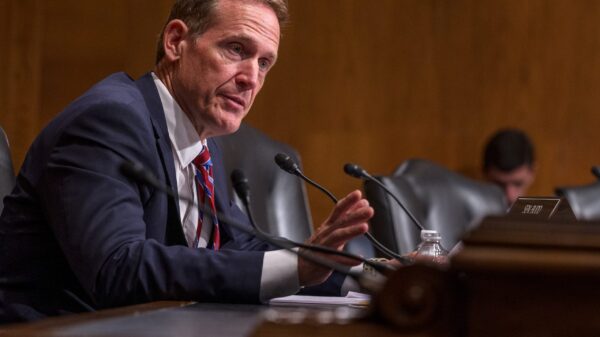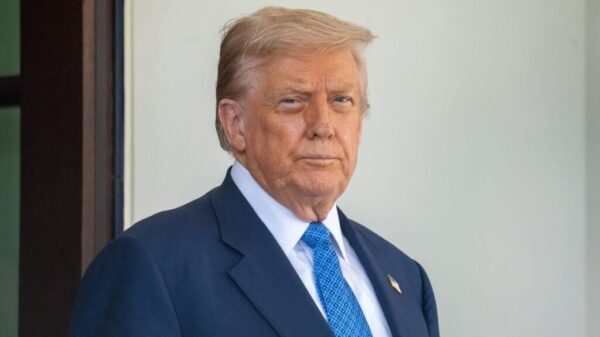







































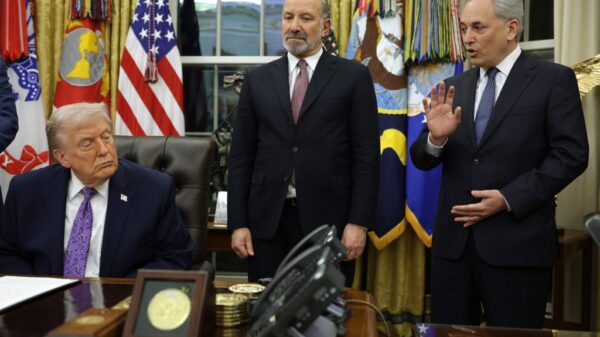







An incident involving the acting head of the U.S. Cybersecurity and Infrastructure Security Agency (CISA) has intensified concerns in Washington over the use of commercial AI tools for handling sensitive government information. Last summer, Madhu Gottumukkala, who was appointed acting CISA director by President Trump, reportedly uploaded government documents marked “For Official Use Only” into the public version of ChatGPT, triggering automated security alerts and an internal review by the Department of Homeland Security (DHS).
While the documents were not classified and Gottumukkala was reportedly authorized to access and use AI tools, the episode exposed a deeper institutional dilemma. Government agencies are increasingly experimenting with generative AI to boost productivity, yet clear boundaries around data sensitivity, model training, and external data exposure remain underdeveloped.
Cybersecurity experts warn that even non-classified material can carry operational, procedural, or contextual risks if shared with commercial AI platforms that lack sovereign controls. Public AI systems may retain metadata, logs, or contextual traces that could be exploited, raising questions about compliance, auditability, and long-term data governance.
The incident has reignited calls for stricter AI usage policies across federal agencies, including clearer definitions of permissible data, dedicated government-grade AI systems, and stronger safeguards. As AI adoption accelerates, the challenge for policymakers is balancing innovation with the core mandate of national security and public trust.
This situation highlights the broader implications of AI integration into government functions. As agencies increasingly rely on advanced technologies to enhance operational efficiency, the potential risks associated with mishandling sensitive information are becoming more pronounced. The incident with CISA serves as a cautionary tale about the complexities of navigating this new landscape.
Public and private sector leaders are now grappling with the need for comprehensive frameworks that govern AI use, especially when it comes to safeguarding sensitive data. The episode underscores a pressing necessity for robust training programs that emphasize the importance of data security in AI applications, alongside the development of infrastructures capable of securely managing AI technologies.
As generative AI continues to evolve, the push for clear policies and guidelines will likely intensify. Lawmakers and regulators may find it imperative to establish a baseline for what constitutes acceptable use of AI in federal operations. The balance between leveraging AI for improved efficiency and ensuring the utmost security of government data will be critical moving forward.
In the coming months, it will be crucial for government agencies to not only review their current practices but also to proactively engage with experts in AI ethics and cybersecurity to develop a framework that mitigates risks while fostering innovation. The challenge ahead is substantial, as both technology and the regulatory landscape are rapidly evolving.
Ultimately, the incident involving Gottumukkala may serve as a pivotal moment in shaping future policies around AI in government, prompting a reassessment of how agencies approach the integration of new technologies within the sphere of national security.
See also B.C. Government Launches Competitive Process for 400 MW AI and Data Centre Projects
 Top Science Adviser Sood Warns Against Outsourcing Creativity to AI at Upcoming Summit
 Ghana’s Education Minister Reveals AI Tools for Local Languages with Google Partnership
 Government’s £998,822 AI Office Budget Under Scrutiny Amid New Strategy Launch