






















































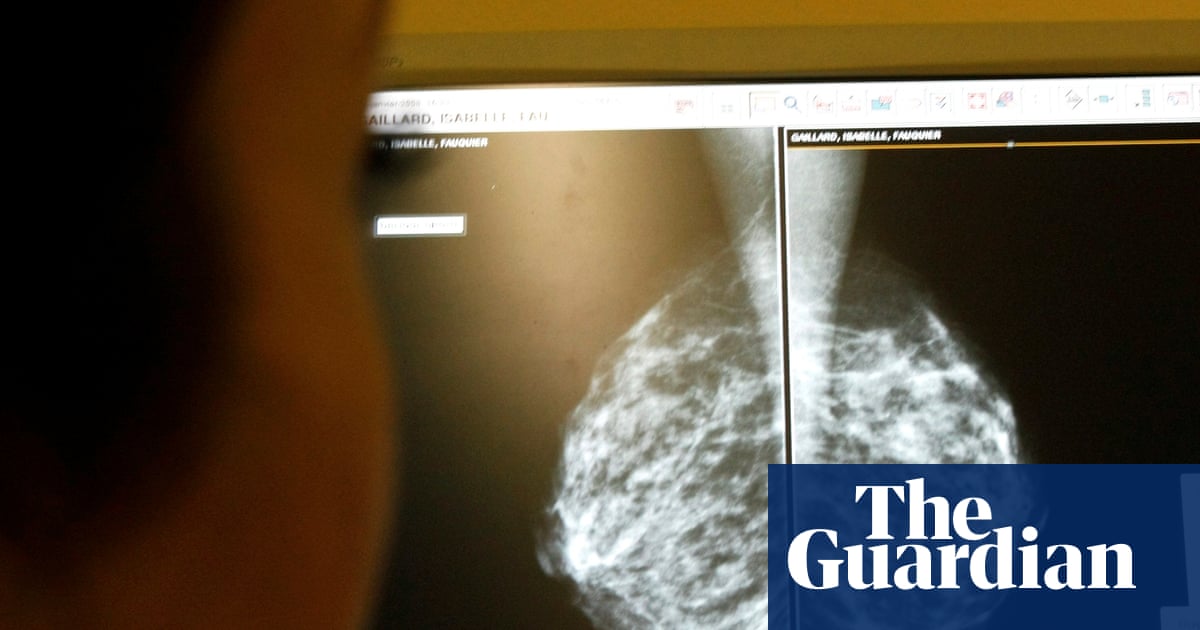
The application of artificial intelligence in breast cancer screening has been shown to reduce the rate of cancer diagnoses by 12% in subsequent years, while also increasing the likelihood of early detection, according to findings from a landmark trial. The study, the largest to date examining the role of AI in cancer screening, involved 100,000 women in Sweden who participated in mammography screenings between April 2021 and December 2022.
Participants were randomly assigned to receive either AI-supported screening or standard readings conducted by two radiologists. The AI system was designed to analyze mammograms, categorizing low-risk cases for single readings and high-risk cases for double evaluations, while also flagging suspicious findings for radiologists.
Research published in The Lancet revealed that the AI-supported mammography group recorded 1.55 cancers per 1,000 women, compared to 1.76 per 1,000 women in the control group. Notably, over four in five cancer cases (81%) in the AI group were detected at the screening stage, against just under three-quarters (74%) in the control cohort. There was also a significant reduction in aggressive cancer subtypes, with the AI group seeing nearly a third (27%) fewer cases.
Dr. Kristina Lång from Lund University, who led the study, emphasized the potential for AI to enhance early cancer detection. “AI-supported mammography could help detect cancers at an early stage,” she stated. However, she cautioned that any broad implementation of AI in healthcare should be approached cautiously, advocating for the use of tested AI tools and ongoing monitoring to ensure accurate data collection as AI’s influence on screening programs varies by region and over time.
With breast cancer being the leading cause of death among women aged 35 to 50, and over two million new cases diagnosed globally each year, the implications of this study are significant. While the findings underscore the advantages AI could bring to mammography, researchers emphasized the continued necessity for human radiologists. The AI system is not intended to replace healthcare professionals but to assist them, as at least one human radiologist is still required to perform the reading.
Dr. Sowmiya Moorthie, a senior strategic evidence manager at Cancer Research UK, described the results as promising but advised caution moving forward. “While using AI to assist in reading mammograms can enhance efficiency, there is concern that it may lead to some cancers being overlooked,” she said. “This study helps to alleviate some concerns, but since the results originate from a single center, further research is essential to ascertain whether this approach will ultimately save lives.”
Simon Vincent, chief scientific officer at Breast Cancer Now, highlighted the trial’s potential, stating, “This first trial underscores the vast potential of AI to support radiologists in breast cancer screening. Early detection is crucial, and this study indicates real promise for earlier diagnosis that could improve and save lives.” He also noted that ongoing trials launched in the UK, which explore AI’s integration within the NHS breast screening system, will be vital for determining the safest and most effective applications of these tools.
The findings add to a growing body of evidence pointing toward the transformative role AI could play in healthcare. As the number of cancer diagnoses is expected to rise in coming years, innovations like AI-assisted mammography will be essential for enhancing patient outcomes, provided they undergo rigorous evaluation to ensure their safety and efficacy.
See also New NINEby9 Report Reveals AI Gender Gap Widening in APAC Career Opportunities
 Tsinghua Study Reveals AI Boosts Research Output but Narrows Scientific Focus by 22%
 Researchers Launch deepmriprep to Revolutionize Voxel-Based Morphometry Preprocessing with Deep Learning
 Radical AI Unveils Self-Driving Lab to Accelerate Materials Discovery with $55M Funding















