

















































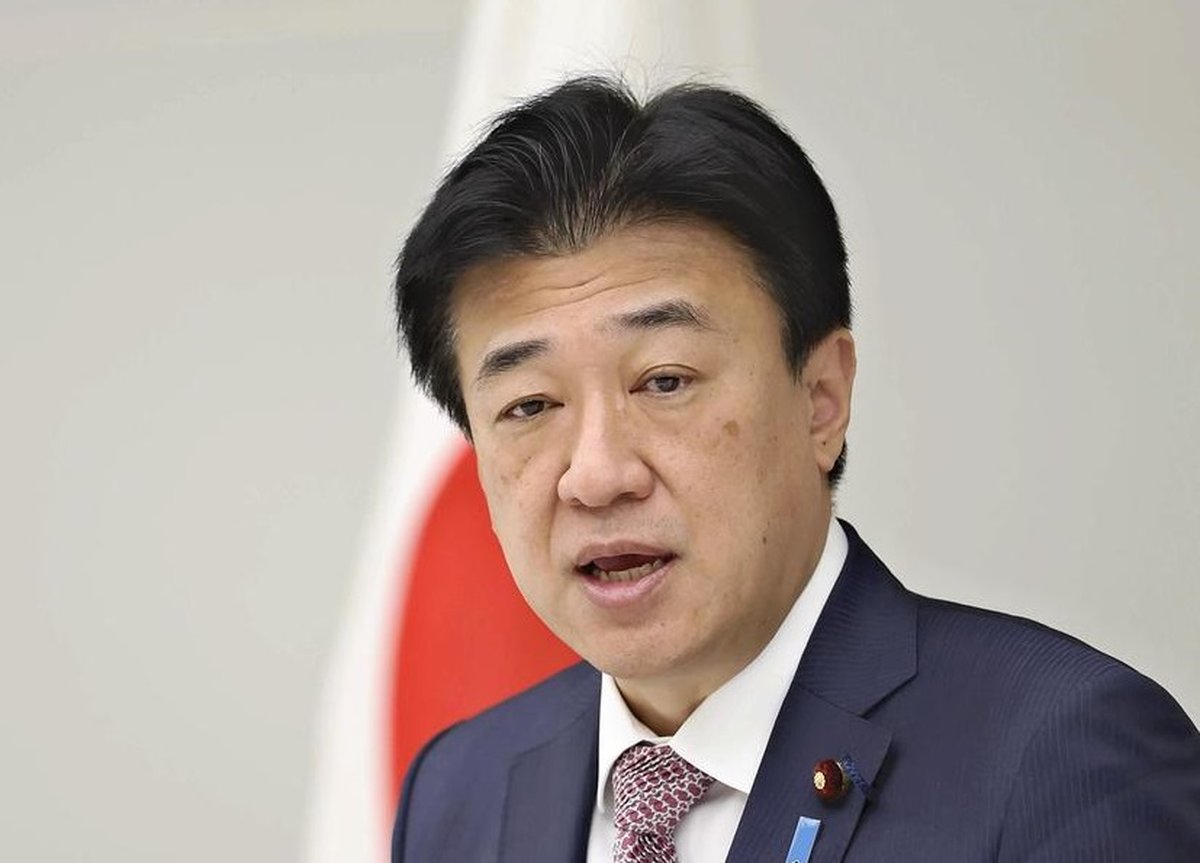
The Japanese government is preparing to tackle the growing issue of sexual deepfakes, which involve the creation of fake obscene images or videos of real individuals using generative AI. Chief Cabinet Secretary Minoru Kihara announced at a press conference on January 7, 2026, that the government will assess the situation in line with the AI law enacted in May 2025. This law mandates the investigation of cases where citizens’ rights are infringed upon by AI technologies, as well as providing guidance to businesses involved.
Kihara emphasized the importance of a coordinated response from relevant ministries and agencies, drawing on past investigative experiences. “The relevant ministries and agencies must properly address this issue, coordinating their efforts and capitalizing on past investigative experience,” he stated. The government’s proactive stance reflects a growing awareness of the risks associated with the misuse of AI technologies, particularly in creating non-consensual and harmful content.
The use of generative AI to create deepfakes has surged in recent years, raising serious concerns regarding privacy, consent, and potential harm to individuals. This technology allows users to produce realistic images or videos by manipulating existing media, often leading to the exploitation of victims, particularly women. Kihara’s comments come amid increasing scrutiny and calls for regulation of AI technologies globally, as various countries grapple with similar issues.
As part of this assessment, the Japanese government will analyze both domestic and international trends related to sexual deepfakes. The initiative aims to develop a comprehensive understanding of the problem, enabling the government to formulate effective policies and regulations to safeguard citizens’ rights. This approach aligns with broader global efforts to address the societal impacts of AI, particularly as the technology continues to evolve rapidly.
The implications of sexual deepfakes extend beyond individual privacy violations; they can also contribute to a larger societal discourse on consent, representation, and the ethical use of AI. The Japanese government’s recognition of these issues signals a commitment to addressing the intersection of technology and human rights, as well as the need for clearer legal frameworks in the digital age.
Looking ahead, the government’s actions will likely influence the ongoing debate over AI regulation and its role in society. Kihara’s announcement indicates a pivotal moment, as Japan joins other nations in confronting the challenges posed by emerging technologies. The effectiveness of the government’s strategy will be closely monitored, particularly regarding its ability to protect individuals from the harms associated with sexual deepfakes while fostering innovation in the AI sector.
See also UK Government Considers Boycott of X Over Grok AI-Generated Deepfakes Controversy
 Spanish Government Requests Investigation into X’s AI for Child Pornography Violations
 Ministers Urgently Seek Legal Action Against X Over Proliferation of Explicit AI Images
 Government Delays Deepfake Law as Grok AI Sparks Sexual Abuse Concerns
 UK DWP Launches £23.4 Million AI Project to Streamline Benefits Claims Process